
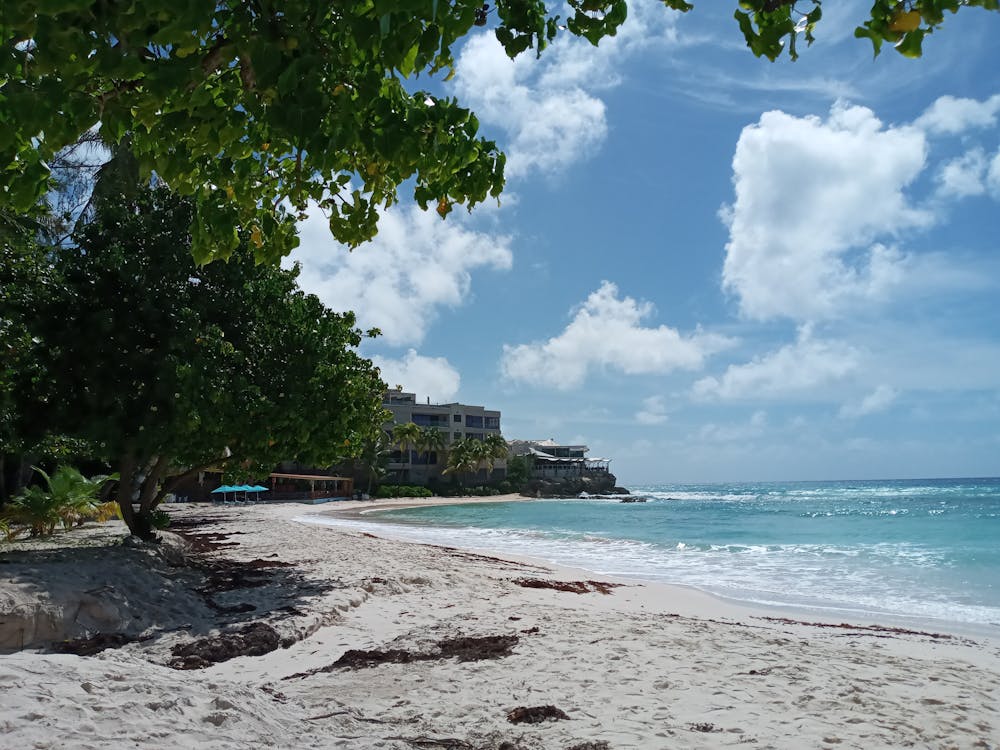
Best Time to Visit Barbados 2026: Shoulder Season Guide
Barbados, the eastern gem of the Caribbean, is famed for its turquoise waters, lively culture, and year-round sunshine. Most travelers flock here in the winter high season to escape the cold. But there’s a sweet spot in between the peak and the hurricane-prone off-season – the shoulder season in Barbados. This typically occurs in late spring (mid-April through June) and again in the fall (November).
Cheapest Months to Travel to Barbados
Shoulder season in Barbados offers an enticing combination of lower prices, fewer crowds, and still-great weather. In fact, it’s often said to be the best time to visit Barbados if you want value without sacrificing your beach time. This guide will cover when Barbados’ shoulder season falls, what weather to expect, what to pack for a Caribbean shoulder trip, average hotel prices, and unique activities or events to enjoy during these periods on the island.
When is the Shoulder Season in Barbados?
Barbados has a tropical climate with a distinct wet season and dry season rather than four temperate seasons. The high (peak) season is during the dry, cooler months from mid-December through mid-April – that’s when tourists come in droves (and prices are highest). The low season corresponds to the wettest months and hurricane season, roughly July through early December, when visitor numbers dip.
The shoulder seasons sit at the edges of these: one shoulder spans from mid-April into June, and the other is in November. In essence, late spring and late fall. To be more precise, according to tourism sources, shoulder season occurs from mid-April through June, and then again in November. This aligns with when the island is transitioning between dry and wet seasons.
Barbados Shoulder Season Summary
- Shoulder Season Months: Mid-April to June, and November
- Typical Temps: Highs of 29–31°C (84–88°F), Lows of 23–25°C (73–77°F)
- Weather: Warm, humid, and tropical – brief showers possible, especially in May/Nov
- Hotel Prices: 25–50% lower than winter peak season
- Best For: Quieter beaches, better hotel deals, cultural events like Food & Rum Festival or Independence celebrations
- What to Pack: Light summer clothes, rain jacket or umbrella, mosquito spray, reef-safe sunscreen, sunhat, and beach gear
By mid-April, the peak winter crowds have left, but the weather is still relatively dry and sunny (April is actually considered the start of shoulder season when the busy period ends). May and June are considered off-peak but not yet the core of hurricane season – an often overlooked great time to visit.
Come July, the low (hurricane) season fully kicks in with more rain and heat. Then, as hurricane season is winding down, November stands out as another shoulder month: hurricane risk is much lower by then than in Sept/Oct, tourist numbers are still low until the holiday rush in December, and you get a nice mix of decent weather and good deals.
Some sources also sometimes include September–October as part of a wider shoulder (e.g., some travel sites say May–June and Sept–Nov). However, in reality September and October in Barbados are very much the low season – they are the height of hurricane season with fewer tourists indeed, but also more rain (and historically, the few hurricanes that have brushed Barbados did so in those months, though direct hits are rare).
So, while you can visit in those months (and US News oddly labels July–Nov as best for deals despite hurricane season), most consider them low rather than shoulder due to weather considerations. Thus, we’ll stick to shoulder = May, June, and November as a rule of thumb. These months truly give “best of both worlds” – moderate crowds and moderate weather.
In summary, if you want to enjoy Barbados with a bit more breathing room and a lighter impact on your wallet, plan for the shoulder periods: roughly late April through June, or the month of November. You’ll still find the island open for business – unlike some seasonal shutdowns on other islands, Barbados remains lively year-round, but simply with fewer visitors around at those times.
Weather During Shoulder Season
Barbados’ shoulder season weather can be described as warm, generally sunny, with a chance of showers increasing towards summer/fall. Let’s break it down by the two shoulder segments:
Late Spring (May – June)
This period is on the cusp of the wet season. Temperatures are quite steady in Barbados year-round, so expect daytime highs around 29–31°C (84–88°F) and nighttime lows in the mid-24–26°C (75–79°F) range. In May and June, it’s essentially as warm as the “winter” months, just a tad more humid as the wet season approaches. Sunshine is plentiful – you’ll get lots of sunny or partly sunny days.
However, as June progresses, rainfall does increase. April (just before shoulder) is very dry; by June, average rainfall is about 4 inches (103 mm) for the month. This means you might encounter occasional showers or thunderstorms. These are often short tropical downpours rather than all-day rain. For example, it could be sunny all morning, then a quick heavy shower in late afternoon that clears up.
May tends to be a fairly dry month historically, with just slightly more rain than the winter months – so May weather is usually excellent (hot and sunny, with maybe a quick shower once in a while). June is when you’ll feel humidity rising and see clouds build up in the afternoons. But it’s still far from the rainiest period and significant portions of the day remain beach-friendly.
Importantly, hurricane risk in May/June is extremely low – the Atlantic hurricane season officially starts June 1, but storms in the Caribbean are rare that early. The sea is warm and generally calm (especially on Barbados’ famous west and south coasts) in late spring.
Fall (November)
By November, Barbados is coming out of the wet hurricane season. This month is somewhat of a mixed bag but generally leaning positive. Temperatures remain around 28–30°C (82–86°F) for highs, and mid-20s °C at night – still balmy beach weather. Rainfall in November is on the decline from the peaks of September/October.
On average, Barbados in November gets around 6 inches (152 mm) of rain, which is still on the higher side, but note that October is the wettest at ~7 inches. So November is slightly drier than the height of the rainy season. Also, by “rainy” we mean there could be about 12 days in the month with some rain. Showers in November can still be frequent, but by late November things improve markedly as the dry season nears.
Hurricane season is technically until Nov 30, but the statistical peak is past and Barbados historically has a very low chance of a direct hit. In fact, it’s rare for Barbados to suffer direct hurricanes at all, thanks in part to its far-eastern location; but they can get sideswiped by heavy tropical storm rains occasionally.
In November, you’ll often have a pattern of partly sunny days with passing showers. When it rains, it might pour for a short while, but then you could see a gorgeous sunset the same day. The island is lush and green from the rains. Humidity is still fairly high but becomes more comfortable as cool breeze starts picking up in December.
The sea in November is warm (around 27–28°C, ~81°F) but one thing to note: the surf on the east coast (Atlantic side) can be rough with winter swells starting, and the tail end of the hurricane season can cause some choppy days. However, popular tourist beaches on the west and south coasts are typically calm or have gentle waves, suitable for swimming almost every day.
In short: Shoulder season in Barbados still delivers the tropical warmth and sunshine the island is known for, with just a bit more chance of rain compared to the absolute driest months. In May/June you’ll experience early summer conditions – hot sun, some afternoon showers, but plenty of great beach time. In November, you’ll experience late wet season conditions – warm and a bit humid, rain possible especially early in the month, but many fine sunny periods and a nice breeze by end of month.
Many repeat Barbados visitors actually enjoy these times because the rain (when it comes) cools things off and the island’s gardens and vegetation look especially vibrant. And there’s often the bonus of a spectacular rainbow after a sunshower!
Recommendations on What to Pack
When packing for Barbados’s shoulder season, aim for light, tropical-ready attire with a nod to rain preparedness. Here’s a checklist:
Beachwear & Sun Protection
Bring swimwear (maybe two sets so one can dry while you wear the other), as you’ll likely be in the water a lot. Pack a cover-up, sarong, or T-shirt for walking around beach areas or popping into beachside cafes (Bajans appreciate a bit of cover when you leave the beach). Essential: high SPF sunscreen, sunglasses, and a broad-brimmed hat or cap – the sun is strong year-round, and even if it’s partly cloudy you can burn quickly. Don’t underestimate that Caribbean sun!
Light Summer Clothing
Pack plenty of lightweight, breathable clothing – think cotton or linen shorts, sundresses, tank tops, short-sleeve shirts, etc. The vibe in Barbados is casual by day (swimwear and flip-flops are fine on beaches; shorts and tees in town). However, also pack some smart-casual outfits if you plan to dine at nicer restaurants or go out in the evening (e.g., a polo or button-down shirt and khakis for men, a summer dress or blouse and capris for women). Some upscale places in Barbados have dress codes (often “elegantly casual”), which usually means no beachwear or tank tops at dinner.
Rain Gear
For May/June and especially November, have a plan for rain. A light packable rain jacket or a small umbrella can be very useful. Tropical rain tends to be warm, so some people don’t mind just getting wet, but if you’re caught out during a downpour, an umbrella helps. Also, water-resistant flip-flops or sandals are good; they dry quickly and you won’t fret about soggy shoes. If you plan to explore interior gardens or hike, consider quick-dry sneakers or sports sandals.
Evenings and Insect Protection
Nights in Barbados are warm and generally you won’t need anything more than maybe a light long-sleeve layer if you’re sensitive (temperatures rarely dip below 23°C/74°F). However, mosquitoes can be present, especially in/after rainy periods. So pack insect repellent (with DEET or picaridin) and maybe a couple of long-sleeve tops or lightweight pants for evenings when mosquitoes are most active (dusk, or if you’re dining outdoors near lush areas). Many restaurants are open-air; a light shawl or linen pants can deter bites on ankles and arms. Some accommodations might provide mosquito nets or coils; it doesn’t hurt to have a small travel-size bug spray for your room too.
Necessities and Snorkel Gear
Don’t forget basic swim accessories – snorkel and mask if you have your own (Barbados has lovely snorkeling, e.g. with turtles, and while you can rent, having your own ensures a good fit). Water shoes can be useful if you plan to explore rocky shallows or do any reef walking (though generally, Barbados beaches are sandy). Reef-safe sunscreen is a good idea to protect marine life when snorkeling. Also consider a sunshirt/rash guard for snorkeling to avoid too much sun on your back.
Day Bag and Water Bottle
Bring a beach tote or daypack to carry your towel, water, sunscreen, etc. Many hotels provide beach towels, but you can pack a quick-dry travel towel if needed. A reusable water bottle is handy to stay hydrated in the heat (tap water in Barbados is safe to drink and of high quality, so you can refill).
Miscellaneous
A few other items: adapter plugs (Barbados uses 115V like North America, so if you’re from the US/Canada your plugs work, but Europeans will need adapters). A small flashlight could be useful during evening walks or if there’s a brief power outage in a storm. Medications – bring some motion sickness pills if you plan boat trips (catamaran cruises are popular, and while waters are fairly calm on west coast, you never know). Also pack basic meds like Pepto-Bismol, pain relievers, etc., though pharmacies are easy to find in Barbados.
Finally, pack your sense of adventure and a laid-back attitude – Barbados in shoulder season is all about relaxing and going with the flow, whether it’s a sunny day or a quick tropical shower.
Average Hotel Prices During Shoulder Season
One of the biggest advantages of the shoulder season in Barbados is the significant savings on accommodations. Barbados is known for its range of lodging from luxury resorts to guesthouses. In the high winter season, prices can be quite steep, reflecting the demand. But in shoulder months, travelers can find much better deals and even luxury-for-less opportunities.
According to the Barbados tourism and hotel industry reports, hotel and resort rates drop by about 25–50% from the high season to the shoulder/low season. In fact, a UK Telegraph article notes: “From May to mid-December, rates for hotels, apartments and villas are 25–50% lower than in the high-season winter months.” That’s a substantial difference.
For example, a beachfront 4-star hotel that might charge $400 USD a night in January could be closer to $200–$250 in June or November. Similarly, all-inclusive resorts that are $600 per couple per night in high season might drop to $350 in shoulder. Even more budget accommodations see drops: perhaps a guesthouse room at $100 in peak might be $70 in off-peak.
Let’s cite some hard numbers: One resource indicates the average hotel price in Barbados across all data is about $267 per night, with high season averages around $499. While that average might skew to higher-end properties, it shows the potential range. Another travel forum mentions hotel rates “almost double from mid-December” compared to earlier months – meaning conversely, they’re half the price before mid-Dec.
And indeed, some frequent visitors report that accommodation can be half the price in early May or early November compared to peak. That’s consistent with the idea of 50% off peak rates. Additionally, outside of pricing, you may find more availability and flexibility. During shoulder season, you often won’t need to book a year in advance for popular spots.
You might also find value-adds: many hotels throw in extras like a free night (e.g., stay 7 pay 5 deals), complimentary breakfasts, or resort credits to attract shoulder-season guests. It’s also a great time to look at vacation rentals (villas, condos). Their rates also drop. For instance, a villa that rents for $5,000/week in high season might go for $3,000/week in shoulder. If you’re traveling with family or a group, shoulder season can make that type of lodging far more affordable, giving you luxury amenities at a discount.
One thing to keep in mind: Barbados is still fairly popular year-round, so while prices drop, it doesn’t turn into a ghost town by any means – you’ll still have fellow travelers around, just not the full crowds. And crucially, you’re getting the same beautiful island experience at a discount.
Considering flights are also usually cheaper in shoulder (no Christmas rush or mid-summer surge), the overall trip cost can be much lower. In summary, expect significantly lower accommodation costs in shoulder season – roughly one-third to one-half less than high season rates.
This means you could upgrade your stay (maybe choose that ocean-view room or a higher-end hotel that would be out of budget in winter) or simply save money for other activities like dining at nice restaurants or taking island tours. The shoulder season truly offers value for money in Barbados, making this paradise island more accessible to travelers who are timing-savvy.
Unique Activities, Events, and Experiences in Shoulder Season
Barbados’ shoulder season, being on the edges of the peak times, still has plenty going on – sometimes even some of the island’s most interesting local events. Here are some highlights and things to enjoy:
Crop Over Hangover or Prelude
Barbados’ biggest festival of the year is Crop Over, a summer carnival celebrated in July and early August, culminating in Grand Kadooment (a massive costumed parade) on the first Monday of August. If you visit in late June (shoulder season), you might catch the early build-up events of Crop Over. By June, the island starts buzzing with calypso and soca competitions, dusk concerts, and the opening gala for Crop Over often happens late June or early July.
While the main events are July/Aug, being around just before gives you a taste of local culture – you might hear the latest festival tunes on the radio, see decorations going up, or catch a small community carnival event. Conversely, if you come in November, you’ll be after Crop Over, but you may experience the island in a more relaxed normalcy where locals are not as busy with tourist season or big events – a great time to interact more personally.
Food & Rum Festival (Usually in late Oct or Nov)
Barbados proudly dubs itself the “Culinary Capital of the Caribbean” and also is the birthplace of rum. Each year, typically in the late fall (often October or November), Barbados hosts the Food and Rum Festival. For instance, one year it was held in late October, another year in mid-November. If your trip coincides, you could enjoy chef demonstrations, gourmet dining events, street food stalls, and mixology showcases.
It’s a fantastic way to sample Bajan cuisine – from delicious fresh fish like mahi-mahi and flying fish sandwiches to sweet bakes, and of course lots of rum cocktails and tastings. The festival draws international and local chefs, and events are held across various venues (beachside cookouts, upscale restaurants, etc.). Even if you don’t formally attend festival events, being on the island during it means extra food-themed happenings and specials at restaurants.
Barbados Independence Celebrations (November)
Barbados celebrates its independence on November 30th. The lead-up to Independence Day includes various events like the National Independence Festival of Creative Arts (NIFCA), where locals showcase talents in music, dance, drama, etc., throughout November. Around late November, Bridgetown (the capital) and other areas are decorated in the national colors (ultramarine and gold).
There may be fairs, art exhibitions, and a general festive patriotic atmosphere. A highlight around independence is the Independence Surf Festival – surfing is popular on the east coast (Soup Bowl in Bathsheba is a world-famous surf spot). In November, surfers from around the world come for competitions and local surf events as part of independence celebrations. It’s quite fun to watch, even if you’re not a surfer, plus there’s usually live music and beach parties around it.
Quieter Beaches and Activities
With fewer tourists, you’ll find popular sites less crowded. For example, the Catamaran snorkeling cruises (where you swim with sea turtles and snorkel reefs) are big attractions – in peak season boats can be full. In shoulder, you might have a smaller group or find easier last-minute booking. The experience of swimming with turtles or over a shipwreck is more relaxed when you aren’t in a huge cluster of people.
Similarly, at attractions like Harrison’s Cave, an impressive limestone cavern, you might get more personal tour experiences. The same goes for animal encounters: the Barbados Wildlife Reserve (with roaming monkeys, tortoises, deer, etc.) or Hunte’s Gardens (a beautiful lush botanical garden) – strolling these in a tranquil atmosphere allows for better wildlife spotting and photography.
Watersports and Surfing
As mentioned, November is actually a good time for surfing on the east coast (for experienced surfers – Soup Bowl’s waves can be serious). If you’re into milder watersports, any time is great on the calmer coasts – e.g., stand-up paddleboarding over the gentle west coast sea, or kayaking in a quiet bay.
In May/June, the ocean is typically very calm on the west and south, excellent for jet skiing, water skiing, snorkeling, sailing. These shoulder months also can have fantastic conditions for diving – Barbados has nice dive sites (wrecks like the Stavronikita). The water in June is warm and visibility usually good before any plankton blooms of deep summer. You could find dive shop schedules a bit more open.
Turtle Hatching Season
Interesting nature tidbit – sea turtle nesting season in Barbados runs roughly from May to October. That means if you visit in June or even into July (early low), you might have a chance to see turtle hatchlings.
The Barbados Sea Turtle Project monitors nests on popular beaches (mostly for hawksbill turtles). On some evenings, under guidance, they allow visitors to witness hatchling releases or nest excavations. It’s not a guaranteed tourist event, but being there off-peak when beaches are quieter improves your chances of stumbling on a nest hatching. Even seeing nesting turtles coming ashore at night to lay eggs can happen in the shoulder season.
Enjoying Local Life
With a smaller tourist crowd, you get to experience more of the authentic Bajan lifestyle. It’s easier to chat with locals, whether at the fish market in Oistins or with the lady selling fruit at a roadside stand. Speaking of Oistins, the famous Oistins Fish Fry (a lively outdoor Friday night fish dinner and music event) goes year-round. In shoulder season, it’s still busy and fun, but not uncomfortably packed. Grab a plate of grilled fish, a cold Banks beer, and enjoy live music and dancing under the stars like the Bajans do.
Off-Season Dining and Culture
Some high-end restaurants that cater to tourists may close for a few weeks in the absolute low (e.g., September). But in May–June and November, nearly all are open, and you might even find it easier to get a great table with an ocean view. Also, watch for special menus or prix-fixe deals some restaurants offer to entice the fewer guests.
Culturally, you could visit places like the Garrison area (a UNESCO World Heritage Site) in a more intimate way, or attend a local cricket match – cricket season in the West Indies often has matches in March–April; by May it might be winding down, but local club cricket can still be seen. In November, cricket hasn’t started yet, but you might catch pre-season practice or just play beach cricket with some friendly locals.
In essence, Barbados in shoulder season allows you to enjoy the island’s major draws – beaches, turquoise waters, delicious food, music, and heritage – without the peak season bustle. Plus, you’ll have the chance to partake in some uniquely timed events like the Food & Rum fest or independence activities that many winter visitors miss out on. The atmosphere is a bit more laid-back and genuine.
Bajans are famously welcoming, and perhaps even more so when they’re less hurried by peak-season work. You might leave feeling like you’ve seen not just a tourist destination, but a bit more of the real Barbados.
| Month | Avg High | Avg Low | Rainfall | Crowds | Hotel Prices |
|---|---|---|---|---|---|
| April | 30 °C (86 °F) | 24 °C (75 °F) | Low | Moderate | Falling |
| May | 31 °C (88 °F) | 25 °C (77 °F) | Moderate | Low | Low |
| June | 30 °C (86 °F) | 25 °C (77 °F) | Moderate–High | Low | Low |
| November | 29 °C (84 °F) | 24 °C (75 °F) | High | Low–Moderate | Low–Rising |
How much do you save by timing your trip right? Our Shoulder Season Price Report covers 110 destinations with exact hotel price data, flight savings, and the best value windows for every region.
Barbados is featured in:
City Guides for Barbados
Month by month shoulder season timing for every Barbados destination we track.