
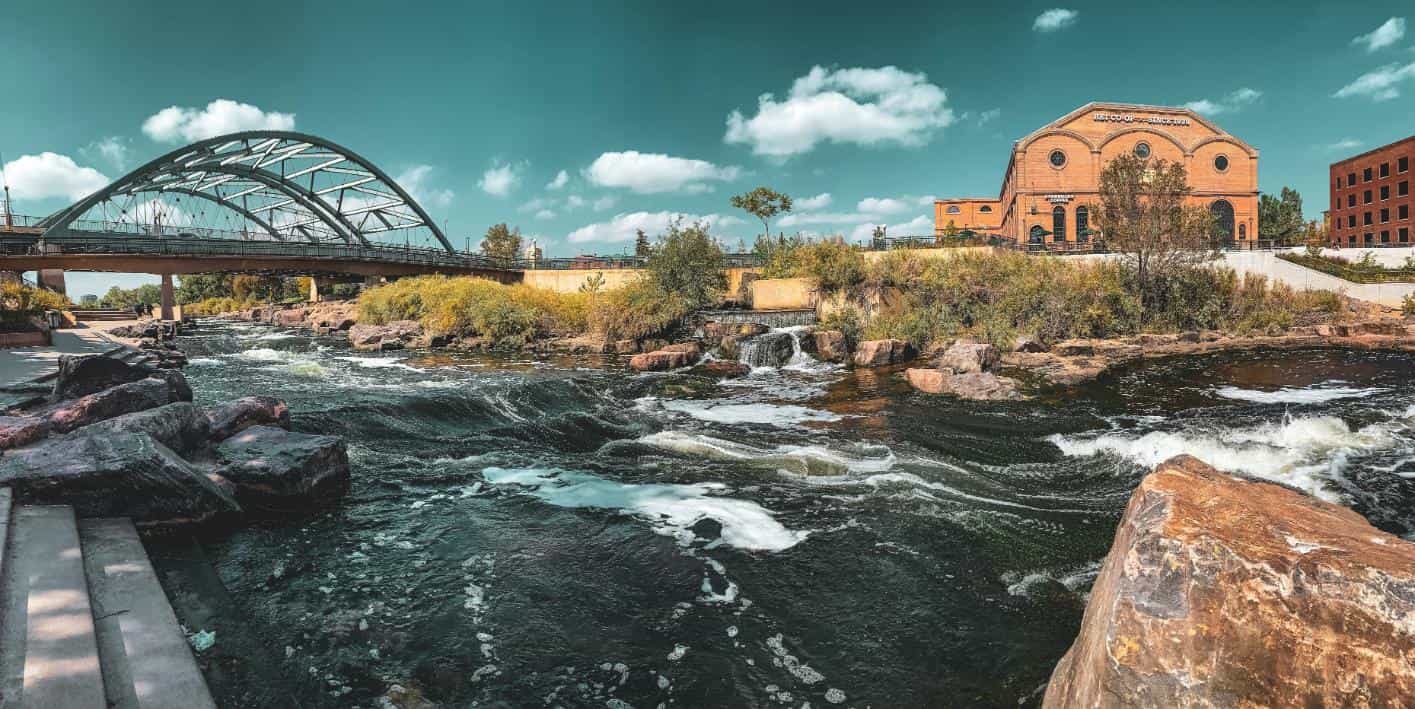
Crowd preference
How many other tourists is too many?
Best months for atmosphere without overwhelming crowds
Denver — meaningfully fewer visitors than peak, but the destination is fully open and operating normally. Good balance of atmosphere and accessibility.
Best Time to Visit Denver 2026: Shoulder Season Guide
Denver is a genuinely underrated destination — a city at 1,609 metres with a thriving food, craft beer, and arts scene, sitting at the edge of some of North America's most extraordinary mountain scenery. The Rocky Mountains begin less than an hour west, putting Rocky Mountain National Park, world-class ski resorts, and extraordinary hiking all within day-trip distance.
The timing question matters here more than most US cities. Denver's calendar splits into three distinct periods: ski season (December–March), when hotel prices are elevated and the city serves as a mountain gateway; summer peak (June–August), when hiking is excellent but hot and crowded; and the shoulder seasons either side — April–May and September–October — when prices drop, trails open or reach their finest state, and Denver itself operates at its most liveable pace.
Why September and October are Denver's Best Months
September is Denver at its peak. Days are warm (27°C) and sunny, nights are crisp and cool (12°C) — perfect hiking conditions. The summer crowds that pack Rocky Mountain National Park have thinned significantly after Labor Day. The aspens in the Rockies begin their extraordinary gold-and-amber foliage transformation in late September, peaking in the first two weeks of October in the high-elevation towns of Breckenridge, Estes Park, and Aspen.
September–October Shoulder Highlights
- Fall foliage: Colorado's aspen groves turn electric gold from late September through mid-October — one of North America's finest autumn colour displays. Peak timing: late September at higher elevations (3,000m+), early October at lower elevations.
- Great American Beer Festival: Early October at the Colorado Convention Center — 800+ breweries, 4,000+ beers. Book tickets and hotel months ahead. One of the world's great beer events.
- Denver Arts Week: Late September — free and discounted admission to Denver's museums, galleries, and cultural institutions, including the Denver Art Museum's exceptional Native American collection.
- RMNP accessibility: After Labor Day, Rocky Mountain National Park's timed-entry system becomes less restrictive — easier to get permits and significantly fewer people on Trail Ridge Road.
- Prices: September hotel rates run 20–35% below July–August peak. October is similar except GABF weekend (book early — prices spike).
April–May: Spring Shoulder Season
Spring in Denver is underappreciated. The ski season has ended (most resorts close by mid-April), hotel prices drop back from their winter premium, and the city's considerable food and arts scene operates without summer crowds. Lower Rocky Mountain trails open progressively from April — wildflowers appear in the foothills from May, and the aspens put out fresh green leaves that are as beautiful in spring as in autumn.
April–May Shoulder Highlights
- Temperatures: April 15°C/3°C; May 20°C/7°C — comfortable for hiking, city walking, and outdoor dining.
- Trail opening: Lower Rocky Mountain trails typically open April. Trail Ridge Road opens mid-June — spring visitors can hike the lower Bear Lake area before summer crowds.
- Price: Post-ski-season pricing — hotel rates at their spring lows before June summer peak.
- Cherry Creek Arts Festival: Late May/early June — one of the country's finest outdoor art fairs in Denver's upscale Cherry Creek neighbourhood.
- Wildflowers: The foothills west of Denver bloom with wildflowers from late April — Chatfield State Park and Roxborough State Park are excellent.
Month-by-Month Guide
| Month | High/Low | Snow | Crowds | Price | Notes |
|---|---|---|---|---|---|
| January | 7°C / -5°C | High | Ski season | High | Ski season peak. Denver itself is cold but mild compared to mountains. Hotel prices elevated from ski tourism. City museums excellent. |
| February | 9°C / -4°C | High | Ski season | High | Peak ski season continues. Denver can get heavy snowfall (averaging 30cm in Feb). Good for skiing; cold for city exploration. |
| March | 12°C / -2°C | Moderate | Ski season end | Moderate-High | Late ski season with better spring pricing. Denver's snowiest month on average. St Patrick's Day celebrations. Spring shoulder beginning. |
| ★ April | 15°C / 3°C | Light | Low | Shoulder | ★ Spring shoulder. Ski season over. Hiking trails beginning to open at lower elevations. Cherry Creek Arts Festival preview. Good value. |
| ★ May | 20°C / 7°C | None | Low-Moderate | Shoulder | ★ Best spring month. Rocky Mountain trails opening. Comfortable temperatures for hiking and city exploration. Cherry Creek Arts Festival. |
| June | 27°C / 13°C | None | Moderate-High | Moderate | Summer begins. Trail Ridge Road in RMNP opens (usually mid-June). Afternoon thunderstorms in the mountains common. City buzzing. |
| July | 32°C / 17°C | None | High | Peak | Hottest month. Peak summer tourism. RMNP very busy — timed entry essential. Denver itself lively with outdoor events. Hotel prices peak. |
| August | 31°C / 16°C | None | High | High | Still peak summer. Hot days, afternoon thunderstorms common in mountains. Denver Food + Wine Festival. Strong beer festival preview events. |
| ★ September | 27°C / 12°C | None-Light | Moderate | Shoulder | ★ Best overall month. Fall foliage begins in Rockies (aspens peak late September). Denver Arts Week. Crowds thinning. Excellent weather. |
| ★ October | 23°C / 7°C | Light possible | Moderate | Shoulder* | ★ Great American Beer Festival (early Oct — hotel prices spike that weekend). Fall foliage peak. Aspen gold in Rocky Mountain towns. |
| November | 12°C / -1°C | Moderate | Low | Low | Cold arrives. First ski resorts open late November. Thanksgiving drives domestic travel spike. Low tourist season in city. |
| December | 8°C / -4°C | High | Ski season begins | Rising | Ski season begins. Christmas markets in downtown. Holiday lights on 16th Street Mall. Prices rising toward January peak. |
* October GABF weekend (early October) sees hotel price spikes — book well ahead or choose dates around the festival.
Rocky Mountain National Park: What You Need to Know
Rocky Mountain National Park is the main reason many visitors come to Denver. At 1.5–2 hours by car (no practical public transport option), it's a full day trip from the city — or base yourself overnight in Estes Park on the park's eastern edge.
RMNP Practical Guide
- Timed entry permits (May–October): Required for both the Bear Lake Corridor and the park's main areas during peak season. Book at recreation.gov — they release 2 days ahead and weeks ahead in two separate batches. In shoulder season (September–October), same-day permits are more frequently available.
- Trail Ridge Road: Crosses the Continental Divide at 3,713m — the highest paved road in any US national park. Open mid-June to mid-October depending on snowpack. In shoulder season, the road is open but October snowstorms can close it temporarily — check road status before driving.
- Best September hike: The Bear Lake loop (4km, flat) for the lake reflection and early aspen colour. Emerald Lake trail (5.5km) for higher elevation and mountain views. Both from the Bear Lake trailhead — require timed entry permit.
- Elk rut: September and early October is the elk rut — bulls bugle at dawn and dusk, herds gather in Horseshoe Park and Moraine Park. One of North America's finest wildlife spectacles, free with park entry.
- Entry fee: $35 per vehicle (7-day pass). America the Beautiful annual pass ($80) covers all national parks and is worth buying if visiting multiple parks.
Denver's Food & Beer Scene
Denver's food scene has improved dramatically in the past decade. The 16th Street Mall is convenient but generic — the genuine Denver is in RiNo, LoDo, the Highlands, and the Platte River corridor.
Denver Food & Drink Essentials
- Craft beer: Colorado has more craft breweries per capita than any other US state. Tivoli Brewing (on Auraria campus), Great Divide Brewing (RiNo), Breckenridge Brewery, and Odell Brewing all have Denver taprooms. The GABF in October is the national showcase, but Denver's taproom scene is worth exploring year-round.
- Hop Alley (RiNo): Denver's finest Chinese-American restaurant — inventive, genuinely excellent, book ahead. In the same RiNo block as several excellent breweries.
- Mercantile Dining & Provision (Union Station): Farm-to-table Colorado cooking in the beautifully restored Union Station building. One of Denver's most reliable upscale options.
- El Five (LoHi): Middle Eastern-inspired small plates on the fifth floor with panoramic Denver views — excellent for a sunset dinner in shoulder season.
- Denver Central Market (RiNo): A food hall with independent vendors — good for lunch across multiple cuisines without committing to a full restaurant.
- Green chile: Colorado's distinctive version — a thick pork stew with roasted Hatch or Pueblo chiles, served over everything from burritos to scrambled eggs. Try it smothered (over a burrito) at any proper Mexican restaurant downtown.
Getting There & Getting Around
Denver Practical Tips
- Airport: Denver International Airport (DIA) is 45km from downtown — a long way out. The University of Colorado A Line train connects DIA to Union Station in 37 minutes ($10.50 one way). Taxis and rideshares run $50–70 to downtown.
- Altitude: 1,609 metres. Allow 24 hours before strenuous hiking. Drink 3–4 litres of water on arrival day. Avoid heavy alcohol on night one — it intensifies altitude effects significantly.
- Car rental: Essential for Rocky Mountain National Park and most mountain day trips. Rates are lower mid-week in shoulder season. Book ahead for October GABF weekend when demand spikes.
- Public transit downtown: The RTD light rail and bus network covers downtown, RiNo, and LoDo well. The free MallRide shuttle runs the length of 16th Street Mall. Rideshares work well within the city.
- Weather variability: Denver gets 300 days of sunshine per year but weather changes fast at altitude. Even in September, bring a warm layer for evenings and mountain day trips — temperatures drop 10°C+ at higher elevations.
- Rocky Mountain day trip: No public transport serves RMNP from Denver. Rent a car or join a small-group tour. Drive time: 1.5 hours via US-36 through Boulder (worth a stop).
Also Consider
Pairs well with, or alternatives worth comparing:
Wondering how much you actually save in shoulder season? Our Shoulder Season Price Report analyses hotel prices across 110 destinations — flights are 37% cheaper, hotels drop 20–50%, and September is the world's most valuable travel month.
FAQs About Visiting Denver
When is the best time to visit Denver?
September and October are Denver's finest shoulder months — warm days (23–27°C), cool crisp nights, fall foliage in the Rockies, and the Great American Beer Festival in early October. April–May is the spring alternative: lower prices, comfortable temperatures for hiking as trails open up, and the city's food and arts scene without summer crowds. Both windows avoid the ski-season hotel premium (December–March) and the summer peak (June–August).
What is Denver's altitude and does it affect visitors?
Denver sits at exactly 1,609 metres (5,280 feet) — the 'Mile High City' is literal. Altitude affects most first-time visitors in the first 24–48 hours: headaches, fatigue, and breathlessness are common, especially with alcohol or strenuous activity. Drink significantly more water than usual, avoid heavy alcohol on your first evening, and don't attempt demanding hikes on day one. By day two, most visitors have acclimatised sufficiently for normal activities.
What is Rocky Mountain National Park and how do I visit from Denver?
Rocky Mountain National Park is 100km northwest of Denver (1.5–2 hours by car). It's one of America's finest national parks — Trail Ridge Road crosses the Continental Divide at 3,713m, passing elk meadows, alpine tundra, and extraordinary mountain scenery. Timed-entry permits are required May–October for the park's most popular areas — book at recreation.gov well in advance. In shoulder season (September–October), fall foliage along the lower trails is spectacular and permits are easier to obtain than July–August.
What is the Great American Beer Festival?
The Great American Beer Festival (GABF) runs in early October at the Colorado Convention Center — one of the world's great beer events, with 800+ breweries and 4,000+ beers. Colorado is America's craft beer capital and the GABF is its annual showcase. Tickets sell out months in advance at around $85 per session. Hotel prices in Denver spike during GABF weekend — book accommodation before tickets go on sale if visiting in early October.
Is Denver a good base for skiing?
Denver is the gateway to Colorado's ski resorts — Breckenridge (1.5 hours), Vail (2 hours), Aspen (3.5 hours), and Steamboat Springs (3 hours) are all within driving distance. The ski season runs approximately December–April. Shoulder ski season (late November and early April) offers meaningfully lower lift ticket prices and less crowded slopes, though snow conditions are less reliable at the edges of the season. Denver's airport (DIA) is the main gateway for ski holidays throughout Colorado.
What neighbourhoods are worth exploring in Denver?
RiNo (River North Art District) is Denver's most creative neighbourhood — warehouses converted into breweries, galleries, and excellent restaurants. LoDo (Lower Downtown) has the historic Union Station as its centrepiece, surrounded by good restaurants and bars. The Highlands, across the Platte River from downtown, is the most residential and local-feeling area with excellent brunch spots and neighbourhood bars. The 16th Street Mall pedestrian strip is convenient but touristy — the interesting Denver is in these neighbourhoods.
Ready to Book?
September is one of the best times to visit Denver. Compare prices now:
We may earn a small commission on hotel bookings at no extra cost to you.
This destination is great for:
If You Like Denver, Also Consider…
Also see: Best time to visit USA →
Denver is featured in: