
Best Hiking Destinations in Shoulder Season
There's a version of the world's great hiking trails that most people never see - when the path ahead is clear, the mountain huts have beds, and the only sound is the wind. Shoulder season hiking is one of travel's best-kept secrets: the conditions are often better than peak season, the trails are uncrowded, and you experience wilderness as it's meant to be experienced - with space and solitude.
Why Shoulder Season?
Summer peak season on the world's great trails creates its own problems: the Inca Trail in July has 500 people per day. The Tour du Mont Blanc in August has mountain huts booked 6 months ahead. Yosemite in July requires a lottery for Half Dome. Shoulder season hiking - May and October in the Alps, October–November on the Inca Trail, September in Patagonia - has genuinely better trail conditions at major destinations, with space to actually experience the landscape.
Mountain huts have beds - and atmosphere
The Tour du Mont Blanc's mountain refuges in peak season are noisy, overcrowded, and booked months ahead. In September, the same huts have space, conversation with other hikers, and the unhurried atmosphere that mountain culture is supposed to have. Booking 1–2 weeks ahead rather than 6 months is the practical difference.
Trail conditions are often better than peak season
Many high-altitude trails are better in shoulder season. The Himalayas in October have crisp, clear post-monsoon skies and 180-degree mountain views - better visibility than July's occasional clouds. Patagonia in November has the spring wildflowers and glacier-fed waterfalls at their most dramatic. The Alps in September have stable weather before autumn storms arrive.
Wildlife viewing improves at the edges of seasons
Animals don't know it's shoulder season. In fact, they're often more visible: birds are migrating, bears and deer are feeding intensively before winter, wildflowers are at peak bloom in late spring. The Serengeti's great wildebeest migration, Nepal's snow leopard sightings, and Patagonia's puma activity all peak in shoulder season months.
The trail belongs to you
The Camino de Santiago's Meseta in April, the Appalachian Trail in October, the Kumano Kodo in May - in shoulder season, these trails offer the contemplative experience they're designed for. Peak season turns some of the world's great walking routes into crowded processions.
Emergency services and logistics are fully operational
Unlike deep off-season hiking, shoulder season has full mountain rescue services, open huts, operational transport, and trail signage maintained. The safety infrastructure of peak season without the crowds - the best of both worlds.
Top Hiking Destinations for Shoulder Season

Nepal (Everest Base Camp)
October–November, March–AprilOctober–November is Nepal's finest trekking window: post-monsoon clear skies give the best mountain visibility of the year, temperatures are cool but manageable, rhododendron forests are vivid, and the trail has 30–40% fewer trekkers than the April–May peak. Everest Base Camp permits are also marginally more available.
from €55/night

Patagonia (Torres del Paine)
October–November, March–AprilNovember in Patagonia is spring - the shoulder season before the December–February peak. The torres spires are reflected in meltwater lakes, spring wildflowers carpet the valleys, guanacos and condors are active, and the W Trek trail is uncrowded. November temperatures are cold but manageable (0–15°C).
from €85/night

Japan (Kiso Valley and Mt. Fuji region)
October–November, MayOctober in the Japanese Alps is the autumn foliage hiking season - the Kiso Valley's ancient post towns backed by gold and crimson hillsides. Mt. Fuji's official climbing season closes in September but the Fuji Five Lakes area has extraordinary shoulder season views.
from €115/night
Dolomites, Italy
May–June, September–OctoberSeptember in the Dolomites - the week after school terms begin - has the summer crowds gone and the larch trees beginning to turn gold in October. The Alta Via routes and Tre Cime circuit are at their most accessible, with rifugios still open and weather generally stable.

Peru (Inca Trail)
April–May, September–NovemberApril (post-rainy season) and October–November are the Inca Trail's best shoulder season windows. The trail has just been washed clean by months of rain in April - vivid green, tumbling waterfalls, almost no other hikers. October has post-dry-season stability with crowds declining from the July–August peak.
from €120/night
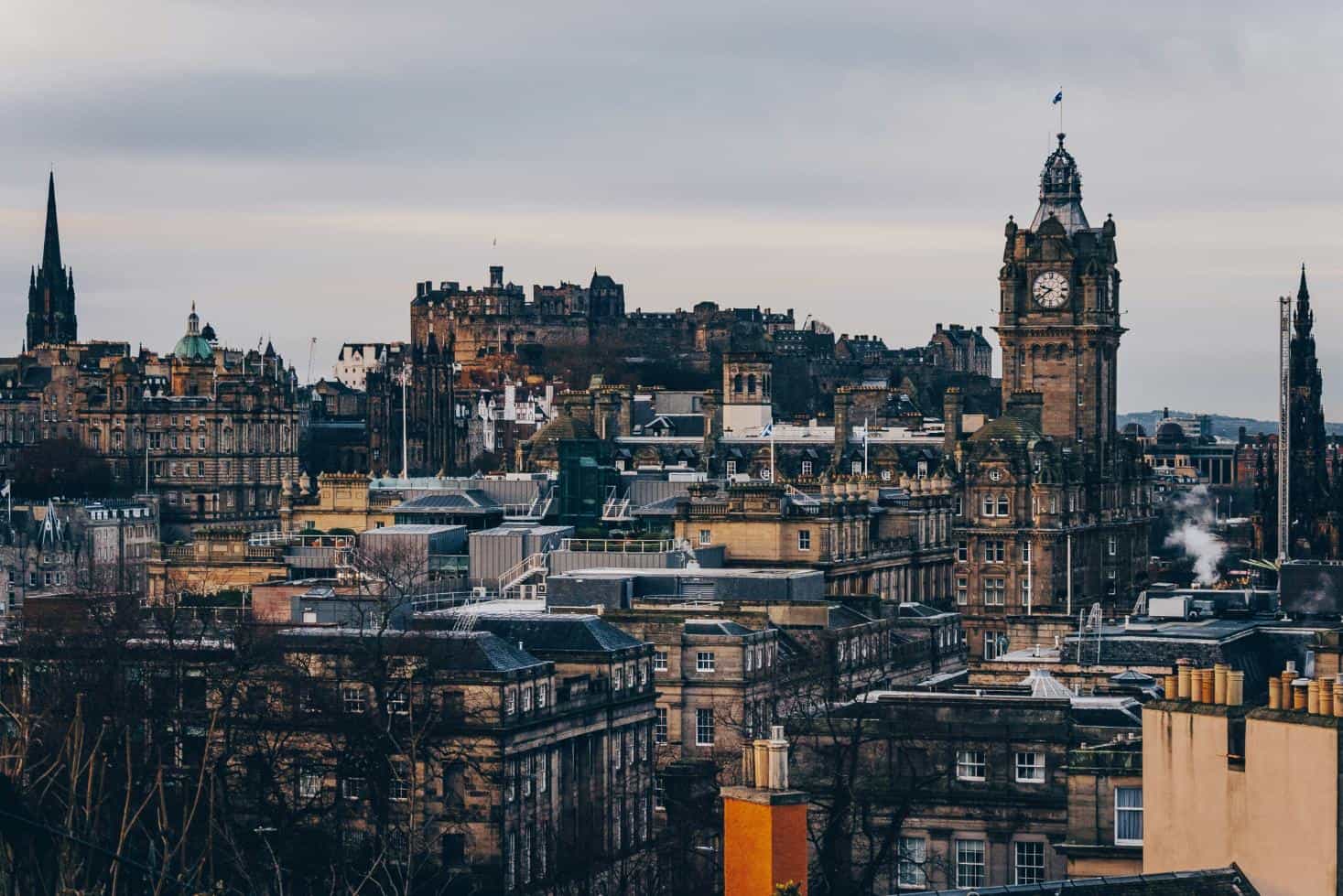
Scottish Highlands
May, September–OctoberMay and September in the Scottish Highlands offer the purple heather (peak in August–September), rutting stags (October), and the extraordinary light quality that makes Highland landscapes so photogenic. Fewer midges than midsummer is a genuine practical advantage.
from €145/night
All Hiking Destinations
19 destinations - sorted by price

Pokhara
Nepal
€40/night
Chiang Mai
Thailand
€50/night

Salar de Uyuni
Bolivia
€50/night
Kathmandu
Nepal
€55/night

Bali
Indonesia
€65/night

Jeju Island
South Korea
€80/night
Boquete
Panama
€90/night
Arenal (La Fortuna)
Costa Rica
€90/night

Cape Town
South Africa
€110/night
Cusco
Peru
€120/night

Patagonia
Argentina
€120/night

Garden Route
South Africa
€140/night
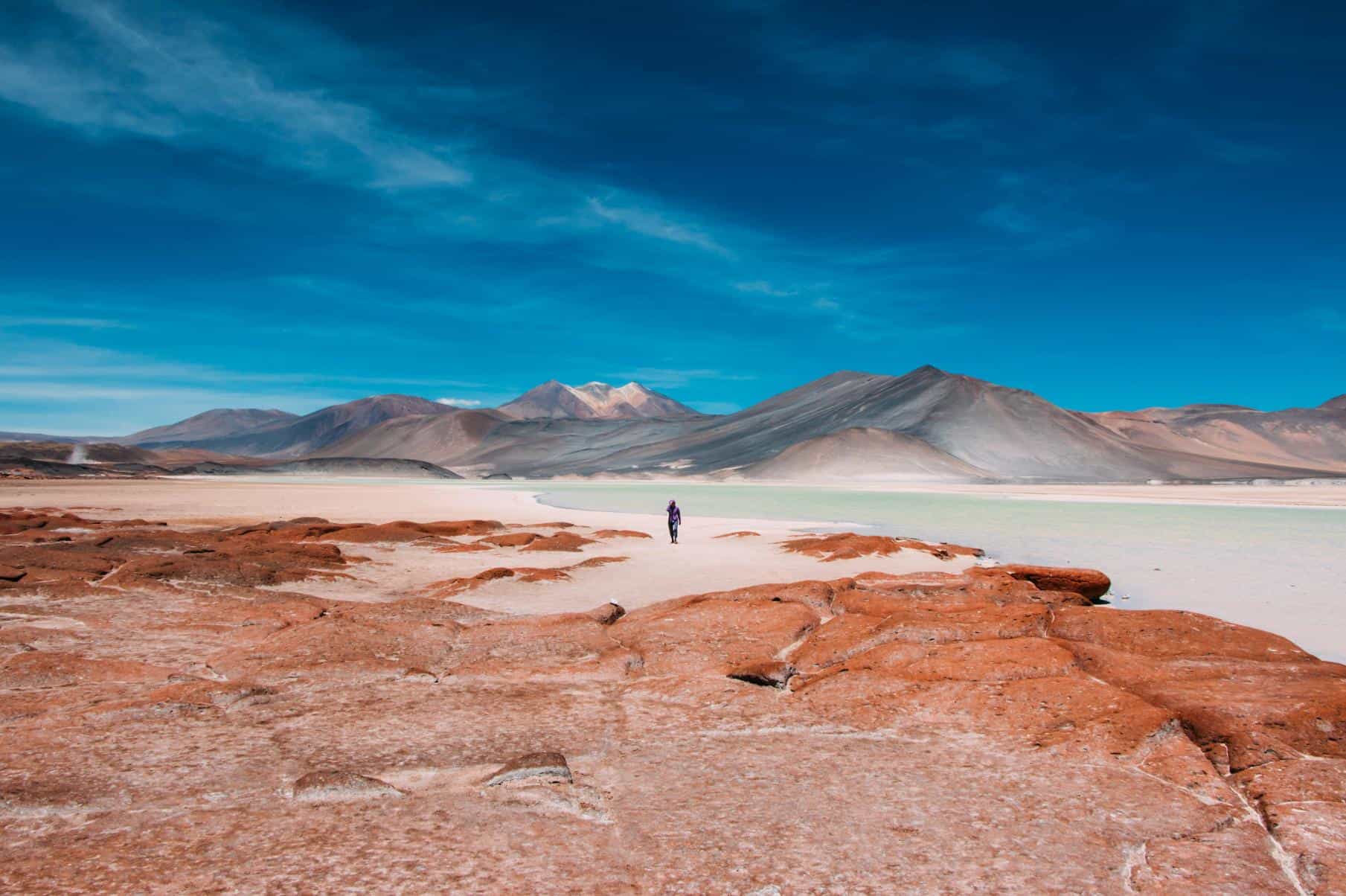
Atacama Desert
Chile
€140/night

Vancouver
Canada
€145/night
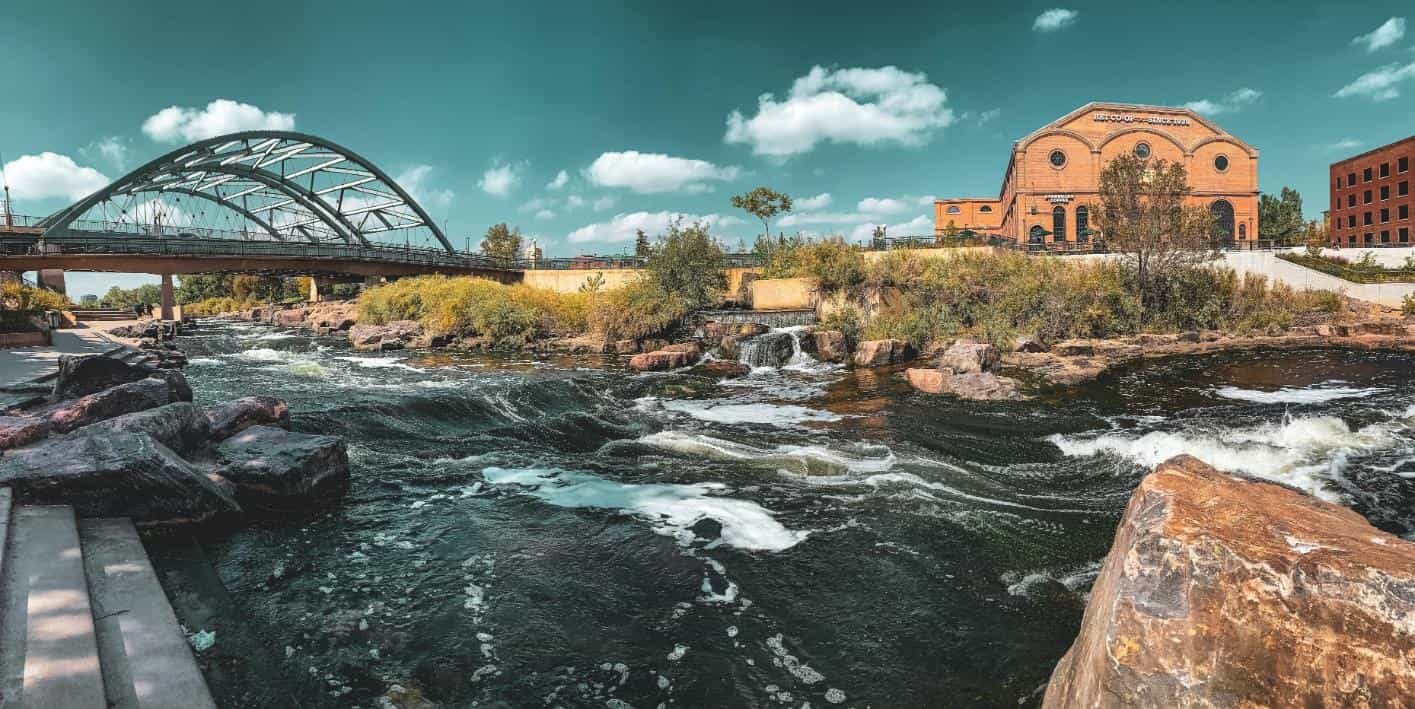
Denver
USA
€155/night

Sossusvlei
Namibia
€160/night
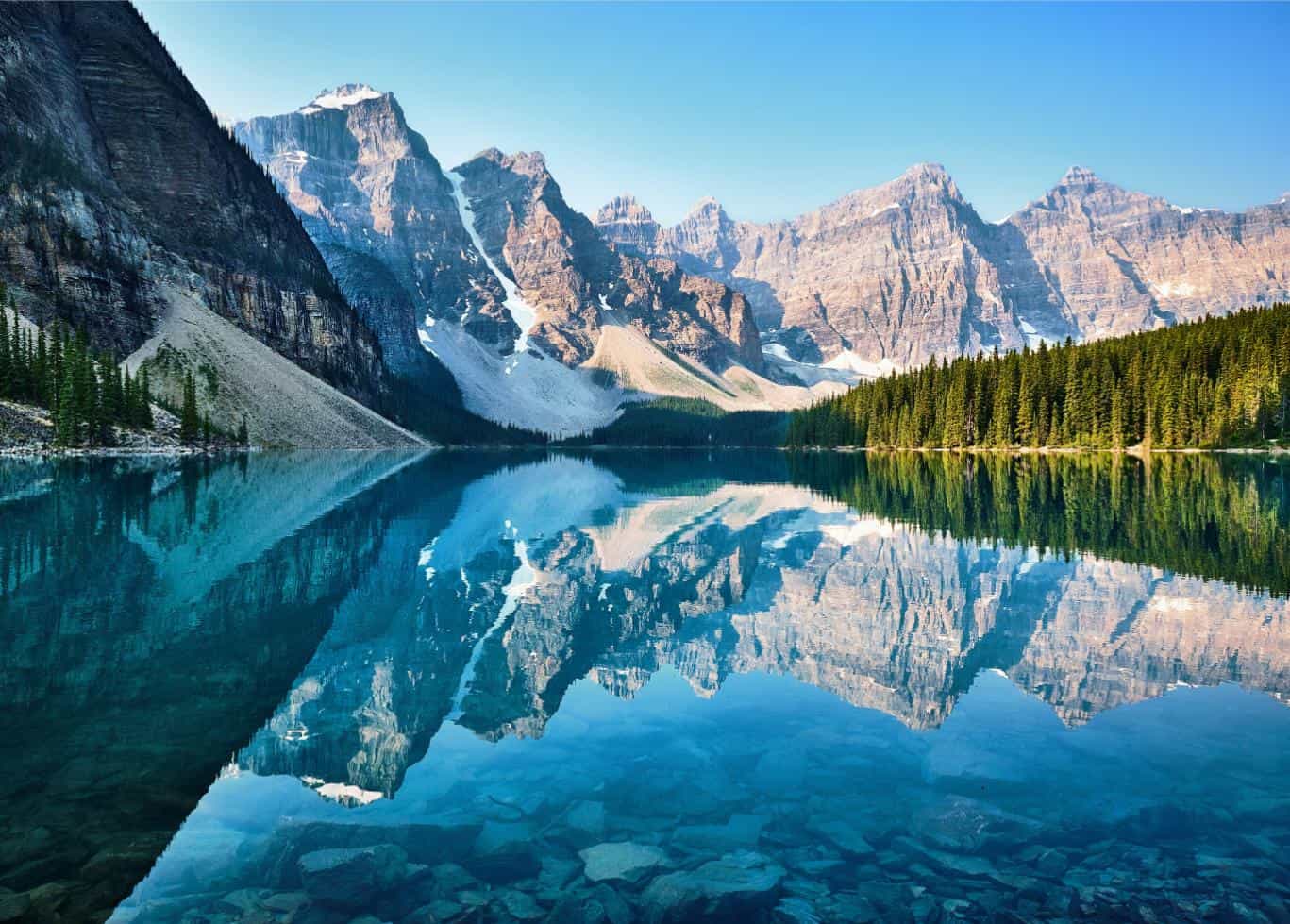
Banff (Rockies)
Canada
€160/night

Galápagos Islands
Ecuador
€180/night

Volcanoes NP (gorilla trekking)
Rwanda
€250/night
Planning Tips for Hiking Travel in Shoulder Season
Check specific trail permit requirements well ahead
The Inca Trail, Half Dome in Yosemite, Kalalau Trail in Hawaii, and Tongariro Alpine Crossing all require permits that sell out months ahead even in shoulder season at the most popular windows. Check permit availability before booking flights.
Mountain weather changes faster in shoulder season
September in the Alps and October in Patagonia can produce rapid weather changes. Pack layers, waterproofs, and always have a turn-back plan. Shoulder season hiking rewards flexibility - the ability to wait an extra day for good weather pays back in spectacular views.
Book mountain huts for shoulder season but not far ahead
Alps refuges in September typically book out 2–3 weeks ahead rather than 3–6 months in peak season. Nepal teahouses in October fill up but not to the point of sleeping outdoors. Book your first and last nights, stay flexible in the middle.
Altitude acclimatisation is non-negotiable regardless of season
Everest Base Camp, the Inca Trail, and Kilimanjaro all require the same acclimatisation protocol in shoulder season as peak. Shoulder season actually helps with this - you're not rushed by the trail permit pressure of peak season and can take an extra acclimatisation day if needed.
Research the specific shoulder window for your trail
Shoulder season hiking requires destination-specific research. The Annapurna Circuit in May is post-monsoon setup season and can be excellent; in October it's post-monsoon clarity season and is superb. The Tour du Mont Blanc in late September can get snow on high passes. Know your window.
The world's great trails exist to offer solitude, beauty, and the particular clarity of thought that comes from sustained physical effort in extraordinary landscapes. Peak season crowds don't prevent access to those trails - they prevent access to the experience. Shoulder season hiking gives you the trail as it's meant to be: quiet, demanding, and genuinely yours. Come in October for Nepal. Come in November for Patagonia. Come in September for the Alps. Come when the mountain belongs to you.
Frequently Asked Questions
When is the best time to hike the Inca Trail?
April–May (post-rainy season shoulder): the trail is vivid green, waterfalls at maximum volume, significantly fewer hikers than July–August peak, and post-rain clarity gives excellent mountain views. October–November is the dry season shoulder: stable weather, declining crowds, and the Andean autumn light on the ruins. The Inca Trail is closed in February for maintenance.
When is the best time to hike in Nepal?
October–November: post-monsoon clear skies give the year's best Himalayan visibility, rhododendron forests are colourful in November, and teahouses are operating but not at April–May peak capacity. April–May is the spring equivalent - wildflowers, decent visibility, and pre-monsoon stability. Both are excellent shoulder season windows.
Is shoulder season hiking in the Alps safe?
Yes - September is statistically one of the Alps' most stable weather months, with lower precipitation than July–August and before the October storms. The key safety consideration is that weather changes faster than peak season and high passes can get early snowfall from mid-October. Check the Météo France or SLF avalanche forecasts daily. Mountain rescue services are fully operational throughout shoulder season.
What equipment do I need for shoulder season hiking?
More layers than peak season and a reliable waterproof shell. In the Alps in September or the Dolomites in October, temperatures can range from 5°C in the morning to 18°C in the afternoon and drop to near-freezing at elevation overnight. Microspikes for any possibility of ice on high routes. A down or synthetic insulated jacket for hut evenings. The same kit works for Nepal in October.
Which hiking destination has the most dramatic improvement in shoulder season?
Nepal in October versus July–August: the visibility improvement from post-monsoon clear skies versus the occasional cloud cover of peak season makes the mountain views incomparably better. Crowds are 30–40% lower. Patagonia in November versus January–February makes a similar argument - the spring wildflowers add something peak summer doesn't have.
Are Patagonia trails open in shoulder season?
Torres del Paine's W Trek and O Circuit are accessible from late October through April. November (spring shoulder season) is excellent - trails are open, huts are operational, and spring wildflowers are at peak. The weather is less stable than January but meaningfully less crowded. Book LAN-Chile or LATAM flights and the EcoCamp or refugio accommodation 2–3 months ahead for November.
How much cheaper is shoulder season - really?
Our Shoulder Season Price Report analyses hotel prices across 110 destinations. Flights are 37% cheaper, hotels drop 20–50%, and September is the world's most valuable travel month.
Browse Other Trip Types
Find Your Perfect Timing
Filter all destinations by month, temperature, region, and budget.
Use the Destination Finder →