
Best Time to Visit Dubrovnik 2026: Before the Cruise Ships Arrive
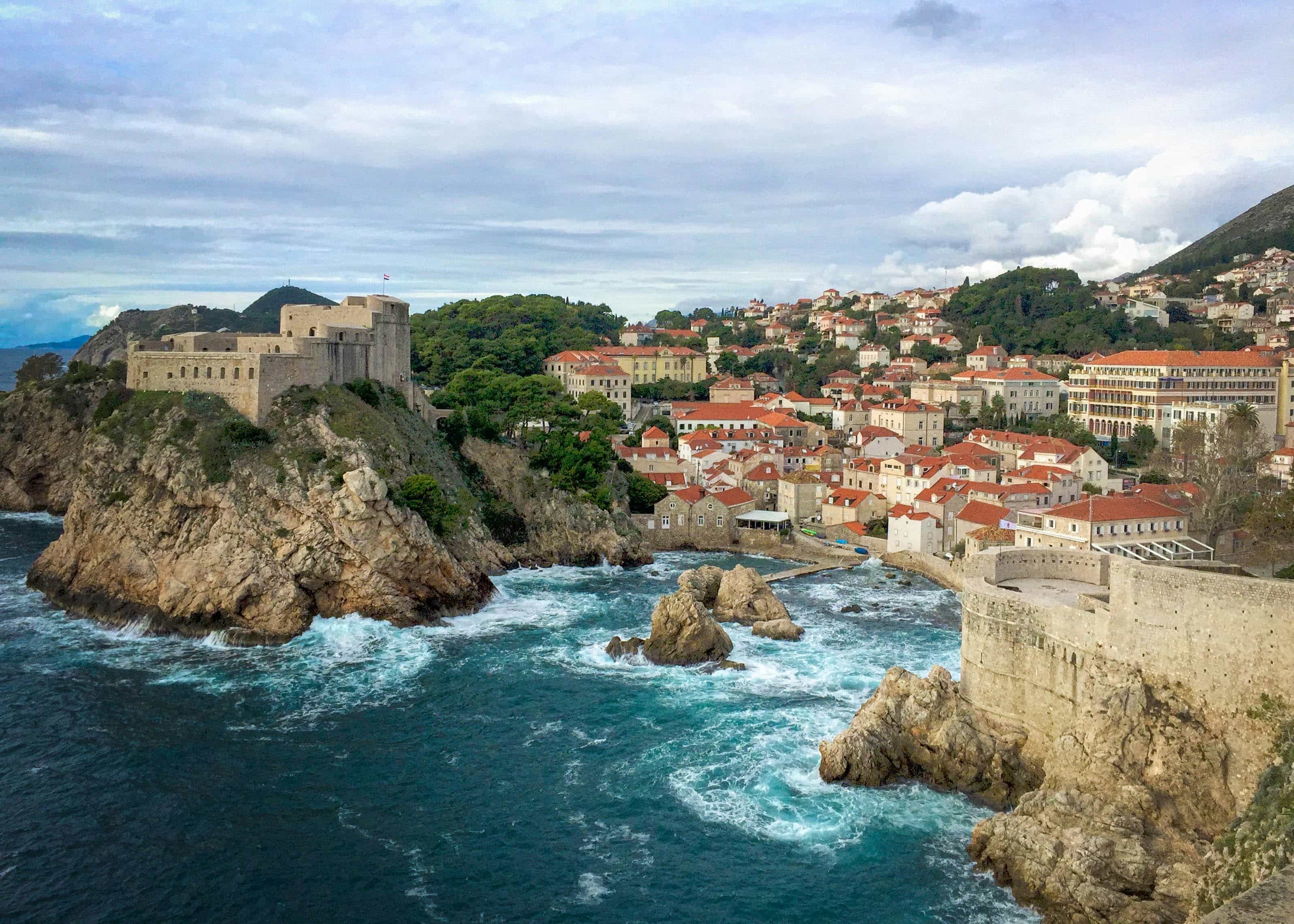
Dubrovnik is one of the most perfectly preserved medieval cities in the world - the limestone walls, the terracotta rooftops, the baroque churches and palaces of the former Republic of Ragusa, and the extraordinary setting on a limestone peninsula above the Adriatic. It's also, in July and August, one of Europe's most overtouristed destinations. On peak summer days, cruise ships alone bring up to 10,000 day-visitors into an old town whose streets are designed for a few thousand residents. The city has been working to manage this; the visitor is better served by avoiding the problem entirely.
May and September–October are when Dubrovnik makes sense. The Adriatic is warm enough to swim in May (18°C, perfectly acceptable after a Croatian spring) and reaches its warmest in September (24°C). The old town is walkable. The City Walls circuit at 8am in May has you nearly alone for the first 30 minutes. And hotel prices are 40–50% below August peak.
Dubrovnik in May: The Prime Window
May in Dubrovnik is warm (21°C), reliably sunny, and gloriously uncrowded by the city's standards. The Stradun - the main limestone-paved thoroughfare of the old town - is walkable at a normal pace. The Dominican Monastery, the Rector's Palace, and the Franciscan Monastery Museum (home to one of Europe's oldest functioning pharmacies, established 1317) can be visited without queuing. Buža Bar - the bar cut into the cliff face outside the city walls, with cliff-jumping into the Adriatic below - is accessible without the August queue.
The Dubrovnik Summer Festival begins in July, but the Good Food Festival in May celebrates Dalmatian cuisine with tastings and events across the old town. The ferry connections to the Elafiti Islands and Lokrum Island are operating from May with manageable passenger numbers.
September & October: Best Sea Temperature, Fewest Crowds
September is Dubrovnik's finest month for swimming - the Adriatic reaches 24°C, warmer than any British summer and genuinely pleasant for extended time in the water. The cruise ship calendar drops sharply after the first week of September. The old town fills with Croatians on their late-season breaks rather than day-tripping international tourists. The sea kayaking around the walls - one of the great Dubrovnik experiences - is peaceful in September where August requires navigating a flotilla.
September Dubrovnik Highlights
- Sea kayaking around the walls: Best in September - calm sea, warm water, extraordinary perspective on the old town from water level.
- Lokrum Island: 10 minutes by ferry from the old port - botanical garden, a population of peacocks, and a saltwater lake connected to the sea. Far quieter in September.
- Elafiti Islands day trip: Three quiet islands (Šipan, Lopud, Koločep) by ferry - completely different pace from the city, excellent swimming coves.
- Buža Bar in the evening: The cliff bar outside the walls at sunset in September - warm enough for the terrace, uncrowded enough to find a spot.
The City Walls: Strategy & Timing
The 2km circuit of medieval walls is Dubrovnik's defining experience - the terracotta rooftops below, the Adriatic above and beyond, and the sense of the city's extraordinary completeness as a medieval urban organism. The walk takes 60–90 minutes at a relaxed pace.
Timing is everything. In peak summer, the walls are so crowded that the circuit becomes a slow shuffle - in direct sun, at 35°C, with no shade. In May and September, the walls open at 8am and the first 45 minutes are extraordinary - you're essentially alone on a 14th-century fortification above one of Europe's most beautiful cities, in comfortable temperatures, with the morning light on the limestone below. By 10am even in shoulder season the crowd builds.
Book tickets online to skip the Pile Gate queue (the main entrance). The walls close at 6:30pm in spring and autumn, 7:30pm in summer. The circuit goes counterclockwise from Pile Gate; the highest section (Minčeta Tower) gives the best view over the old town's rooftop geometry.
Beyond the Old Town
Lokrum Island (10 minutes by ferry from the old port, ferries run April–October) is the most accessible escape from the old town crowds - a botanical garden, resident peacocks wandering the paths, the Dead Sea (a saltwater lake connected to the Adriatic by an underground channel), and the ruins of a Benedictine monastery. No permanent residents, no cars, and a completely different atmosphere from the city walls.
Mount Srđ above the old town is reached by cable car (rebuilt in 2010 after war damage) or a 2-hour hike. The views from the summit over the old town, the coastline north and south, and the islands of the Elafiti archipelago are extraordinary. The Fort Imperial at the top has an excellent museum of the 1991–92 Siege of Dubrovnik.
Eating in Dubrovnik
Dalmatian cuisine is seafood-focused and excellent - black risotto (crni rižot) with cuttlefish ink, peka (lamb or veal slow-cooked under a bell with vegetables), fresh grilled fish, and oysters from the Ston Bay an hour up the coast that are world-class at source prices. The restaurants on the Stradun and the Prijeko street behind it are tourist-facing and mediocre; the backstreets off both have far better options.
Ston (60km up the coast, accessible by bus) deserves a half-day trip for the oysters alone - freshest available in Croatia, eaten with white wine at the source, and the medieval salt pans and defensive walls of the town are extraordinary.
Also Consider
Pairs well with, or alternatives worth comparing:
Wondering how much you actually save in shoulder season? Our Shoulder Season Price Report analyses hotel prices across 110 destinations - flights are 37% cheaper, hotels drop 20–50%, and September is the world's most valuable travel month.
Frequently Asked Questions About Dubrovnik
- When is the best time to visit Dubrovnik? May and September–October. May has warm Adriatic temperatures (21°C), manageable crowds, and hotel prices well below July–August peak. September keeps the sea warm (24°C) with the summer crowds gone and the old town breathable again.
- How crowded does Dubrovnik get in summer? Extremely. On peak days in July–August, cruise ships alone disgorge up to 10,000 day-visitors into a UNESCO old town designed for a medieval town. The city has been working to limit cruise ships; check the schedule before booking. In May and September the difference is transformative.
- Is the Dubrovnik City Walls walk worth it? Absolutely - the 2km circuit of medieval walls is the finest urban walk in Croatia and gives extraordinary views over the old town's terracotta rooftops, the Adriatic, and the islands beyond. Go at opening time (8am) in shoulder season for relative quiet.
- How do I get to Dubrovnik? Dubrovnik Airport is 20km south of the city. Bus line 11 connects to the old town's Pile Gate in 30–40 minutes for under €5. Taxis and Uber are available. The Adriatic ferry network also connects Dubrovnik to Split, Hvar, and the Italian coast.
- Is Dubrovnik worth visiting outside Game of Thrones connections? Enormously. King's Landing filming locations brought a new generation of visitors, but Dubrovnik's genuine history - as the Republic of Ragusa, one of the great medieval city-states - and its extraordinary Baroque architecture and Adriatic setting are the real draw.
Ready to Book?
May is one of the best times to visit Dubrovnik. Compare prices now:
We may earn a small commission on hotel bookings at no extra cost to you.
Dubrovnik vs Split: which should you visit?
Side-by-side comparison - timing, cost, and an honest verdict.
Dubrovnik is featured in: