
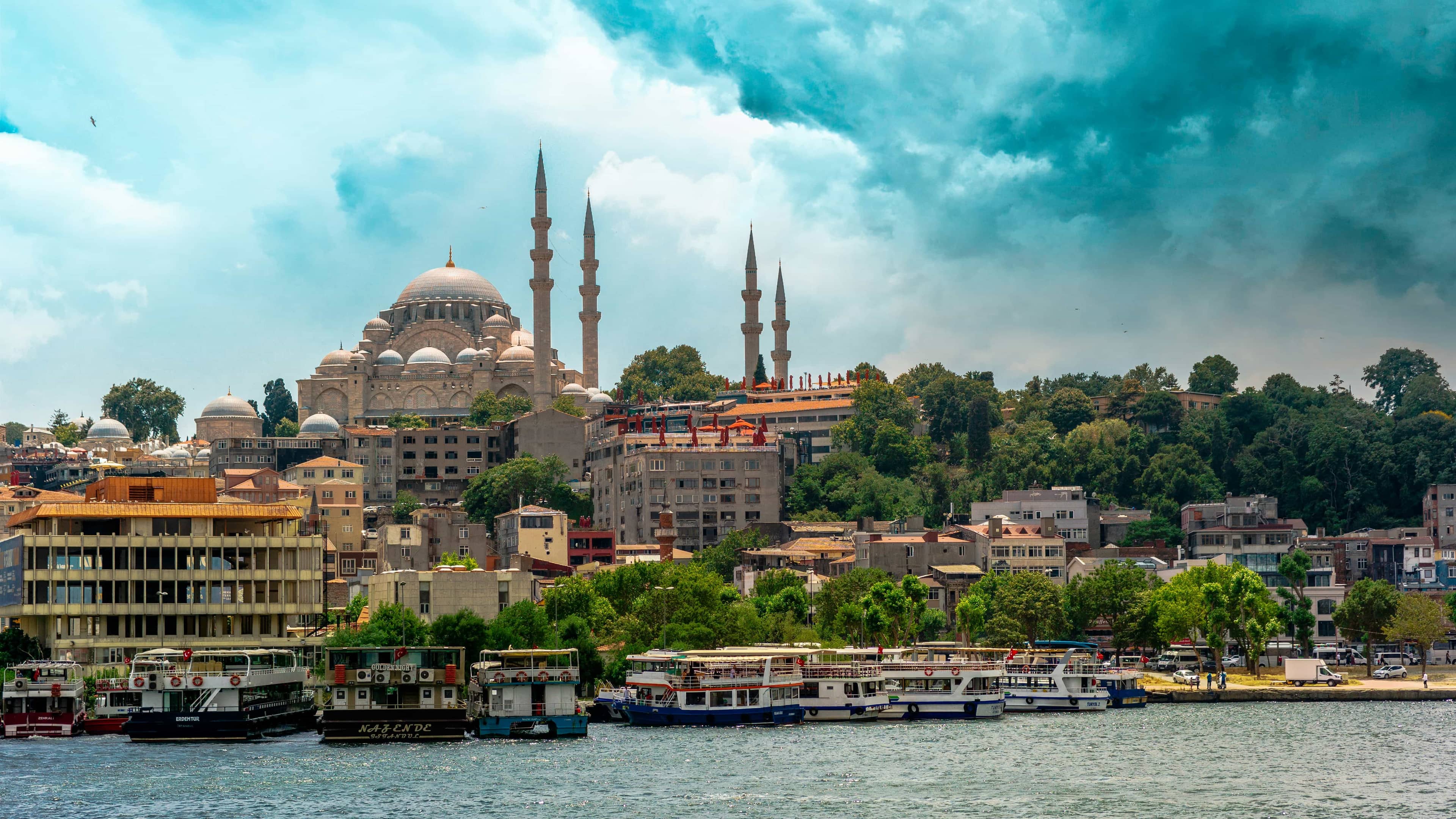
Crowd preference
How many other tourists is too many?
Best months for atmosphere without overwhelming crowds
Istanbul — meaningfully fewer visitors than peak, but the destination is fully open and operating normally. Good balance of atmosphere and accessibility.
Best Time to Visit Istanbul 2026: Shoulder Season Guide
Istanbul spans two continents, 3,000 years of history, and a climate that makes the shoulder season case particularly compelling. The Hagia Sophia, Grand Bazaar, and Bosphorus are all here year-round — but at 32°C in August they're considerably less enjoyable than at 22°C in May. The shoulder seasons of April–May and September–October offer the full Istanbul experience at 25–35% lower prices and dramatically better sightseeing conditions.
Istanbul Shoulder Season at a Glance
When is Shoulder Season in Istanbul?
Istanbul's shoulder season falls in two windows on either side of the hot, crowded summer. The spring shoulder runs April through May — the Tulip Festival brings the city's parks to life in April, temperatures reach a comfortable 18–25°C, and hotel prices are 25–35% below the July–August peak. The autumn shoulder runs September through October — summer heat has broken, the Bosphorus has its golden late-year light, and the city returns to its most atmospheric local rhythms.
Spring: April–May
- Temperature: 15–25°C
- Hotel prices: 25–35% below July–August
- Crowds: moderate — manageable at major sights
- Tulip Festival: April (Emirgan Park, 30M+ tulips)
- Bosphorus: calm and beautiful for boat trips
- Ramadan note: check dates — sightseeing timing can be affected
Autumn: September–October
- Temperature: 16–26°C
- Hotel prices: 20–30% below August
- Crowds: dropping after school return (mid-September)
- Thrace grape harvest: Tekirdağ wine region (1.5h from Istanbul)
- Bosphorus light: extraordinary golden afternoons
- Istanbul Biennial (odd-numbered years — next 2027)
Spring (April–May): Tulip Festival and the Best of the City
April in Istanbul is extraordinary. The Istanbul Tulip Festival — often overlooked by Western visitors who associate tulips with Amsterdam — plants over 30 million bulbs across the city's parks and historic gardens. The irony is historical: tulips were cultivated in Ottoman Istanbul centuries before the Dutch began breeding them. Emirgan Park on the Bosphorus is the main venue, but Gülhane Park below Topkapi Palace and the park around Sultanahmet Mosque are equally beautiful in blossom season.
May is the strongest single shoulder month. The Tulip Festival's last blooms fade in early May but temperatures remain ideal (20–25°C), the city is fully open, and the tourist density of July hasn't arrived. The Hagia Sophia in May has manageable queues; the Grand Bazaar is busy but navigable; the Bosphorus ferry from Eminönü to Üsküdar costs a few lira and gives you views that would cost €50 on a tourist boat.
Ramadan 2026 — check dates before booking
Ramadan in 2026 falls approximately February–March, so it won't significantly affect spring 2026 travel. However, if you're planning future visits: Ramadan shifts earlier by ~11 days each year. When Ramadan overlaps with summer or spring tourist season, some restaurants have limited daytime service and the evening iftar meal creates a specific (and actually quite atmospheric) energy in Istanbul's streets.
Autumn (September–October): Golden Bosphorus Evenings
September is when Istanbul reclaims itself after the summer tourist peak. Temperatures drop from August's humid 30°C+ to a comfortable 22–26°C, the waterfront cafés on the Asian side (Kadıköy, Moda) fill with locals rather than tourists, and the Bosphorus takes on a golden late-afternoon light that makes boat trips genuinely beautiful rather than merely scenic.
October is arguably even better for the experience of Istanbul as a city rather than a tourist destination. The Beyoğlu and Galata neighbourhoods — the old European quarter across the Golden Horn from Sultanahmet — have their finest café and bar culture in October. The Thrace wine harvest (Tekirdağ region, 90 minutes from Istanbul) is accessible as a day trip for those interested in Turkish wine, which has been improving dramatically in quality over the past decade.
Summer: Heat, Crowds, and How to Manage Both
July and August in Istanbul average 28–33°C with humidity — the combination makes extended outdoor sightseeing at Sultanahmet genuinely uncomfortable by midday. The Hagia Sophia, Blue Mosque, Topkapı Palace, and Grand Bazaar are all at peak density in summer.
If summer is your only option: start at 8am when the Hagia Sophia opens, complete all outdoor Sultanahmet sightseeing before 11am, spend midday in the Grand Bazaar (air-conditioned) or a mosque (cool stone floors), and return outdoors after 4pm. The Bosphorus cruise in the evening is actually excellent in summer — the heat has broken, the city is lit, and the European and Asian shores look extraordinary from the water.
Winter: Cheapest Prices, Occasional Magic
December through February are Istanbul's cheapest months — hotel prices 30–40% below summer, flights from Europe often under £100 return. The city is cold (3–10°C) but fully operational. The covered Grand Bazaar, Spice Bazaar, and the city's extraordinary hamam tradition are all more appealing in winter than summer.
Istanbul occasionally receives snow in January and February — when it happens, the minarets and historic peninsula under a light snowfall is one of Europe's most striking winter images. It's unpredictable (perhaps once or twice a winter) but genuinely extraordinary if it coincides with your visit.
Major Sights: Best Timing for Each
Hagia Sophia
8am–10am any season, or shoulder season any timeThe world's most extraordinary building — 1,500 years old and still functioning as a mosque. Converted back to mosque in 2020: women should bring a headscarf, remove shoes for prayer areas. In shoulder season, you can stand beneath the dome without a crowd blocking the experience.
Blue Mosque (Sultanahmet Mosque)
Outside prayer times — check the schedule on arrivalFree entry — one of Istanbul's most visited sites. Closed to tourists during the 5 daily prayers. In shoulder season the courtyard is less crowded and the ablution fountain foreground less obstructed for photographs.
Topkapı Palace
Early morning, shoulder seasonThe treasury (Spoonmaker's Diamond, Topkapi Dagger) and the Harem are the essential sections. In July–August both have queues of 45+ minutes. In May or October: walk-in.
Grand Bazaar
Any time of year, any time of day except Sunday (closed)4,000+ shops in a covered labyrinth. Not dramatically less crowded in shoulder season — the Bazaar attracts local commerce year-round. Go for the experience and the quality tea shops; buy nothing from the first person who approaches you.
Bosphorus ferry
Late afternoon in September–October for best lightThe public ferry from Eminönü to Üsküdar (Asian side) costs a few lira and takes 20 minutes. The longer Bosphorus cruise to the Black Sea runs April–October. In autumn, the late afternoon light on the water and the European hill skyline is extraordinary.
Galata Tower
Shoulder season or early morning any season360° views over Istanbul — extraordinary on a clear day. In summer the queues for the lift are long; in shoulder season largely walk-up. The Galata neighbourhood below has excellent coffee and bookshop culture.
Istanbul Month by Month
January
3–9°CCheapest month. Occasional snow (magical on the minarets). Grand Bazaar and hamams excellent. Short days — 9 hours daylight.
February
4–10°CStill cheap. Ramadan 2026 falls February–March — check dates. Istanbul Film Festival begins late February. Cold but the city is genuinely atmospheric.
March
7–13°CSpring beginning. Prices rising. Istanbul Film Festival running. Cherry blossoms in Gülhane Park late March. Good transitional month.
April ⭐
11–18°CTulip Festival — 30M+ tulips across the city's parks. Emirgan Park on the Bosphorus is extraordinary. Spring shoulder beginning. Book accommodation 4–6 weeks ahead.
May ⭐
16–23°CBest shoulder month. Warm, fully open, Tulip Festival ending but spring energy at peak. Hagia Sophia and Topkapı without summer queues. 25–35% below August prices.
June
21–28°CEarly summer — building toward peak. Still manageable first half. Summer Music Festival beginning. Rising prices and visitors.
July
24–32°CPeak season. Hot and humid. Start sightseeing by 8am. Bosphorus cruise excellent in the evening. All-time high prices.
August
24–32°CPeak season. Same as July. Late August sees some relief as European tourists begin leaving. Istanbul Jazz Festival (late July–August).
September ⭐
19–26°CCrowds dropping sharply. Excellent shoulder month. Thrace wine harvest. Golden Bosphorus light. 20–30% below August prices.
October ⭐
14–20°CBest autumn month. City reclaimed by locals. Beyoğlu café culture at its finest. Istanbul Biennial (odd years — next 2027). Budget month of the shoulder season.
November
9–15°CPrices dropping. Getting cooler. Turkish Republic Day November 29 — national holiday. Hamam visits particularly appealing as temperatures fall.
December
5–11°CNew Year's Eve in Istanbul is celebrated prominently — İstiklal Avenue and Beyoğlu lively. Cheap month outside the holiday. Christmas not widely observed but the city is atmospheric.
Frequently Asked Questions
When is shoulder season in Istanbul?
Istanbul's shoulder seasons are April–May and September–October. Both offer 20–28°C temperatures, all attractions fully open, and hotel prices 25–35% below the July–August peak. May is marginally better for spring energy and Tulip Festival timing. September–October is better for the European side café culture and golden light on the Bosphorus.
What is the best month to visit Istanbul?
May and October are the two finest months. May has the Tulip Festival (early April into May), 20–25°C temperatures, and the city at full spring energy. October offers golden autumn light, the same comfortable temperatures as May, and the most atmospheric Bosphorus evenings of the year. Both are significantly better than July–August for comfort and value.
Is Istanbul too hot in summer?
July and August average 28–33°C with high humidity — genuinely uncomfortable for extended outdoor sightseeing at the Hagia Sophia, Blue Mosque, or Grand Bazaar. The heat also crowds the popular neighbourhoods of Sultanahmet and Beyoğlu. The shoulder season solution is straightforward: April–May or September–October give the same extraordinary city at 20–25°C.
Do I need a visa to visit Istanbul?
Visa requirements vary by nationality. UK, US, and many EU citizens can obtain an e-Visa online before travel (valid for 90 days within 180 days). The e-Visa process takes minutes at evisa.gov.tr. Always check current requirements for your specific passport as regulations change.
What is the Tulip Festival in Istanbul?
The Istanbul Tulip Festival runs through April, with Emirgan Park on the European shore of the Bosphorus as the main venue — over 30 million tulips are planted across the city's parks. The tulip is historically a symbol of Ottoman culture (Istanbul gave tulips to Europe, not the reverse). Early May sees the last blooms before they fade for summer.
Which side of Istanbul should I stay on — European or Asian?
The European side (Sultanahmet for the major sights, Beyoğlu/Galata for nightlife and restaurants) is where most visitors stay and where the major monuments are. The Asian side (Kadıköy, Moda) is more residential and local-feeling — excellent for restaurant culture and a different perspective on the city. The ferry between them (around 25 lira) is one of Istanbul's great experiences and takes 20 minutes.
Ready to Book?
May is one of the best times to visit Istanbul. Compare prices now:
We may earn a small commission on hotel bookings at no extra cost to you.
This destination is great for:
Istanbul is featured in: