
Best Cultural Destinations in Shoulder Season
The world's great cultural sites are best experienced when you can stop and look. The Acropolis on a clear October morning at 22°C with twenty other visitors is a fundamentally different experience from the Acropolis in August at 38°C with three thousand. Shoulder season culture travel is the version of history, art, and architecture that the sites were designed to offer - space, quiet, and time.
Why Shoulder Season?
Peak season cultural tourism creates its own paradox: you travel to experience great art and history, then spend your time managing crowd pressure rather than experiencing it. The Sistine Chapel in August is a mass of upturned faces in a hot, crowded room. The Sistine Chapel in October is a room where you can stand still and look at the ceiling. The physical experience of cultural travel in shoulder season is transformatively better.
Archaeological sites are meant to be experienced with space
The Acropolis, Angkor Wat, Machu Picchu, the Forum in Rome - all are designed as spaces for contemplation and historical imagination. Peak season crowds make this impossible. In shoulder season, the sites return to something approaching their intended experience: you can sit on a stone, look at the view, and think.
The world's great cultural institutions have autumn programming
Europe's opera houses, concert halls, and major galleries all launch their most important annual programming in September. The Vienna State Opera's season opening, the Berlin Philharmonic's inaugural concert, new major exhibitions at the Louvre and Rijksmuseum - these events happen in shoulder season, for shoulder season visitors.
Local cultural life resumes after August
The festivals, neighbourhood theatre, and cultural events that define a city's character are programmed for residents, not tourists. Barcelona's La Mercè, Paris's Nuit Blanche, Vienna's Lange Nacht der Museen - these happen in September and October, when the cities belong to their inhabitants again.
Guides and experts are accessible
The archaeologist leading tours at Delphi in August is managing forty visitors at once. The same expert in October is guiding eight people who chose to come in the quiet season. The quality of guided cultural experiences is substantially better in shoulder season.
The light is better for seeing art and architecture
Autumn and spring light in Mediterranean and European contexts has qualities that the harsh overhead summer sun doesn't - it reveals texture in stone, creates the play of light and shadow that architects designed for, and allows photographs that July's flat midday glare makes impossible.
Top Culture Destinations for Shoulder Season
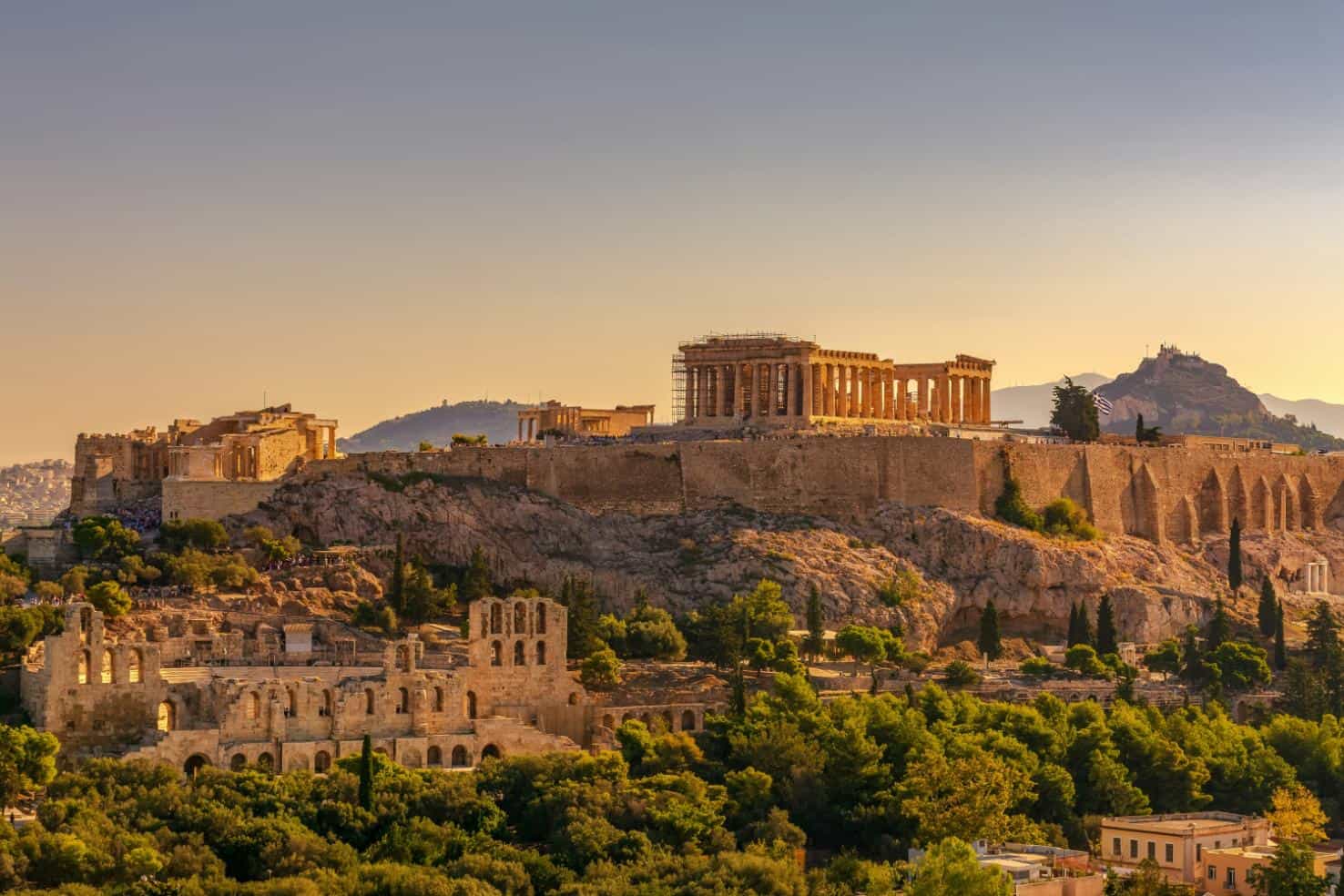
Athens, Greece
April–May, OctoberThe Acropolis in October at 22°C rather than 38°C is one of Europe's greatest shoulder season cultural arguments. The National Archaeological Museum is magnificent and unhurried. The Athens Epidaurus Festival's outdoor performances run until October.
from €120/night

Kyoto, Japan
Late October–early November, MayKyoto in late October has the autumn foliage building on the mountain temples while the mid-November crowd peak is still weeks away. Fushimi Inari at dawn with early autumn colour on the surrounding hills. Nishiki Market at its richest autumn food season.
from €95/night
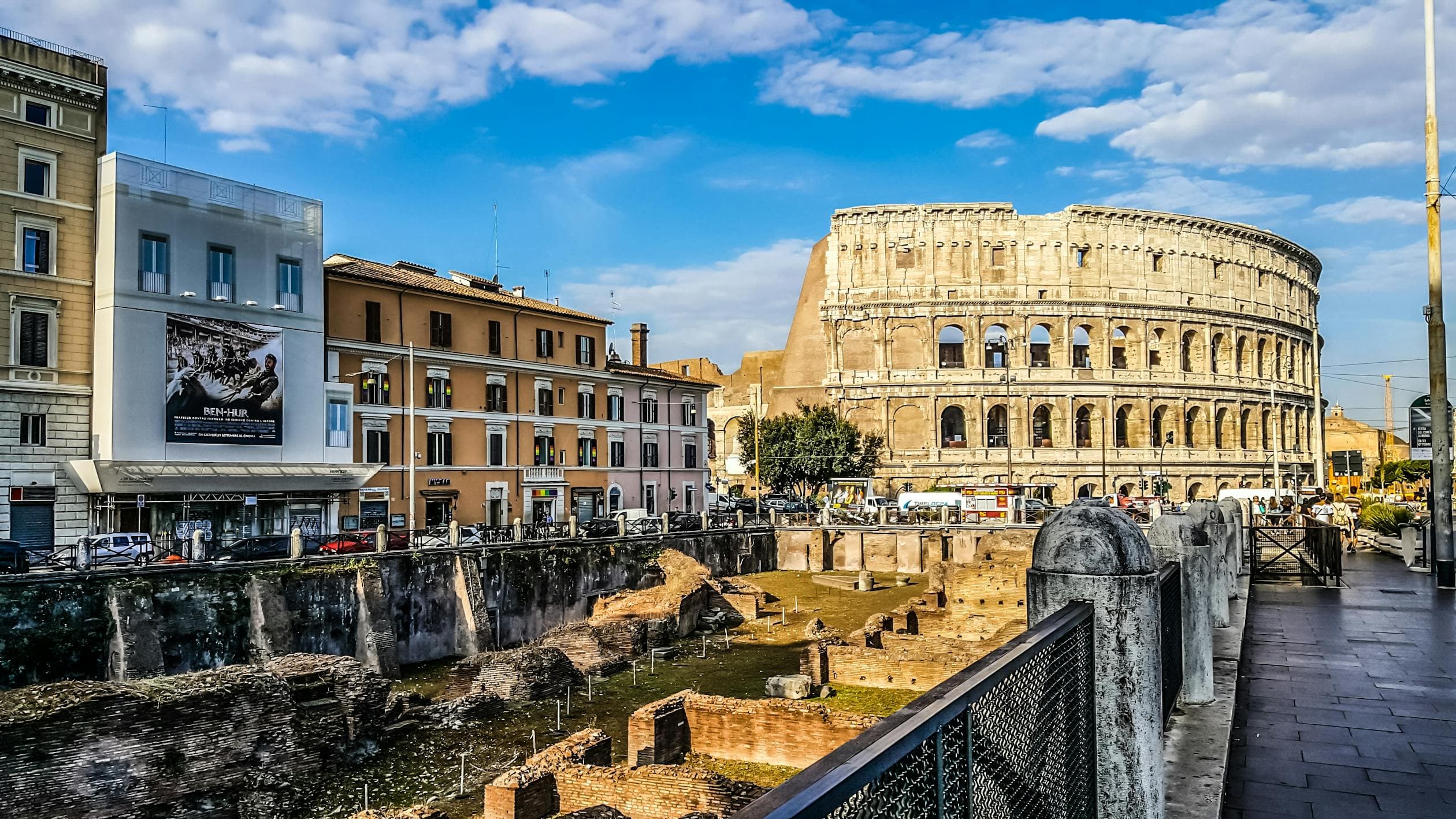
Rome, Italy
April–May, September–OctoberRome in September–October: the Colosseum queue is 20 minutes rather than 2 hours. The Vatican Museums are accessible rather than overwhelming. The city's churches - hundreds of free art galleries - can be explored at a contemplative pace.
from €185/night
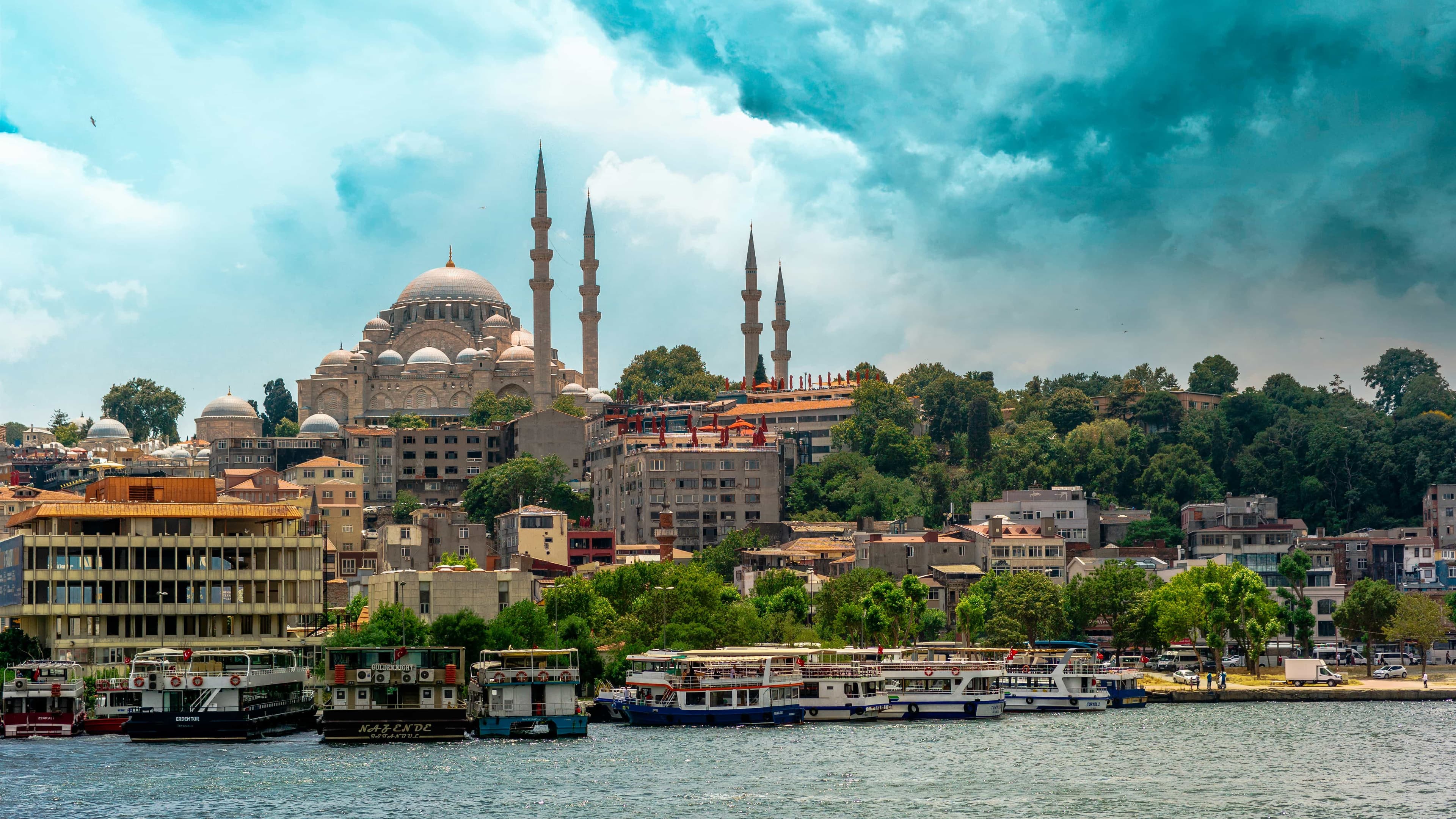
Istanbul, Turkey
April–May, September–OctoberIstanbul's Hagia Sophia, Grand Bazaar, and Topkapi Palace in April–May or September–October offer the full Ottoman cultural experience at 24°C rather than July's 35°C. The tulip festival in April fills the city's parks and gardens.
from €115/night
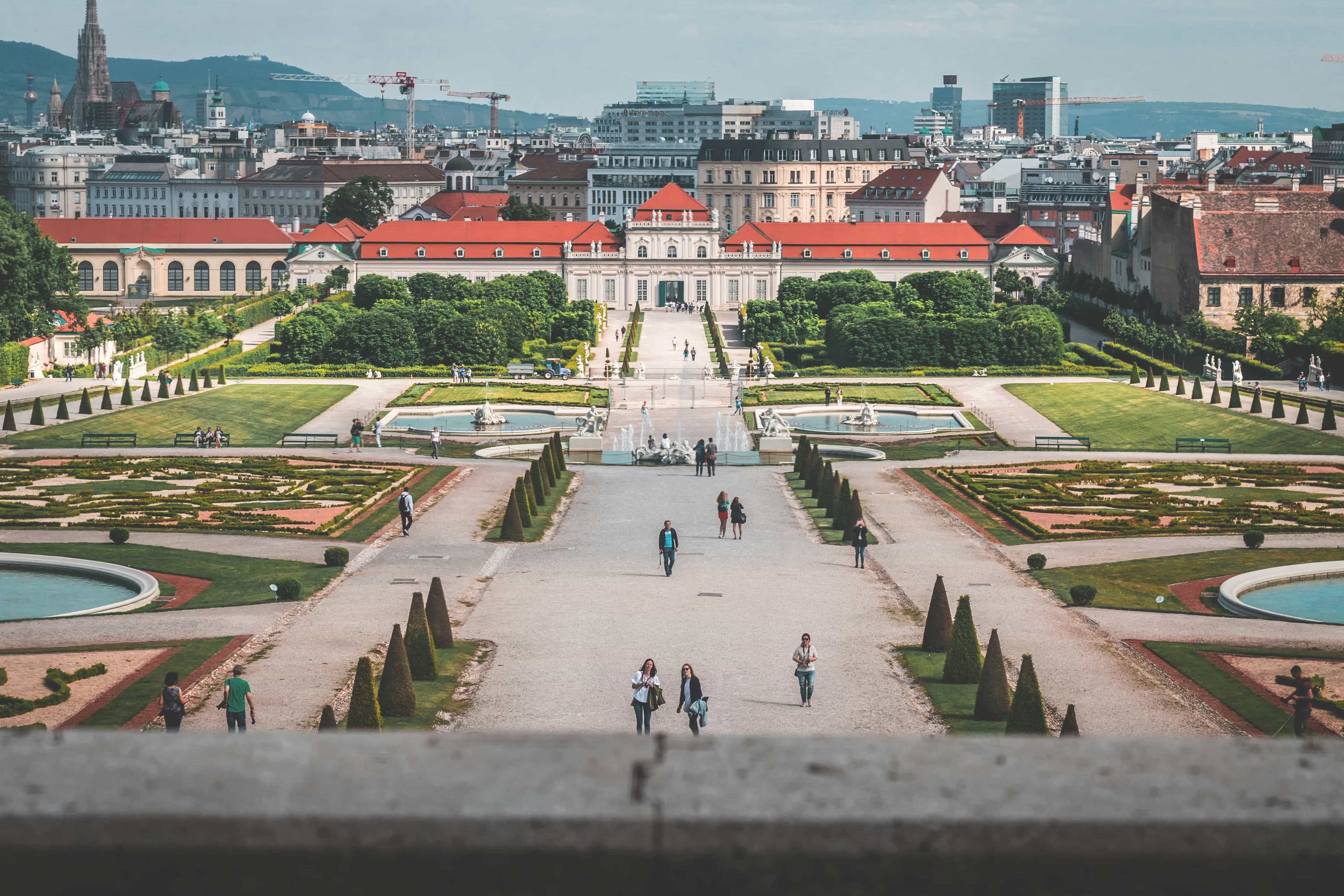
Vienna, Austria
April–May, September–OctoberVienna in September is the cultural capital of Europe launching its season. The Vienna State Opera opens, the Kunsthistorisches Museum and Belvedere galleries begin their major autumn exhibitions. The city's famous coffee house culture is at its most atmospheric.
from €150/night
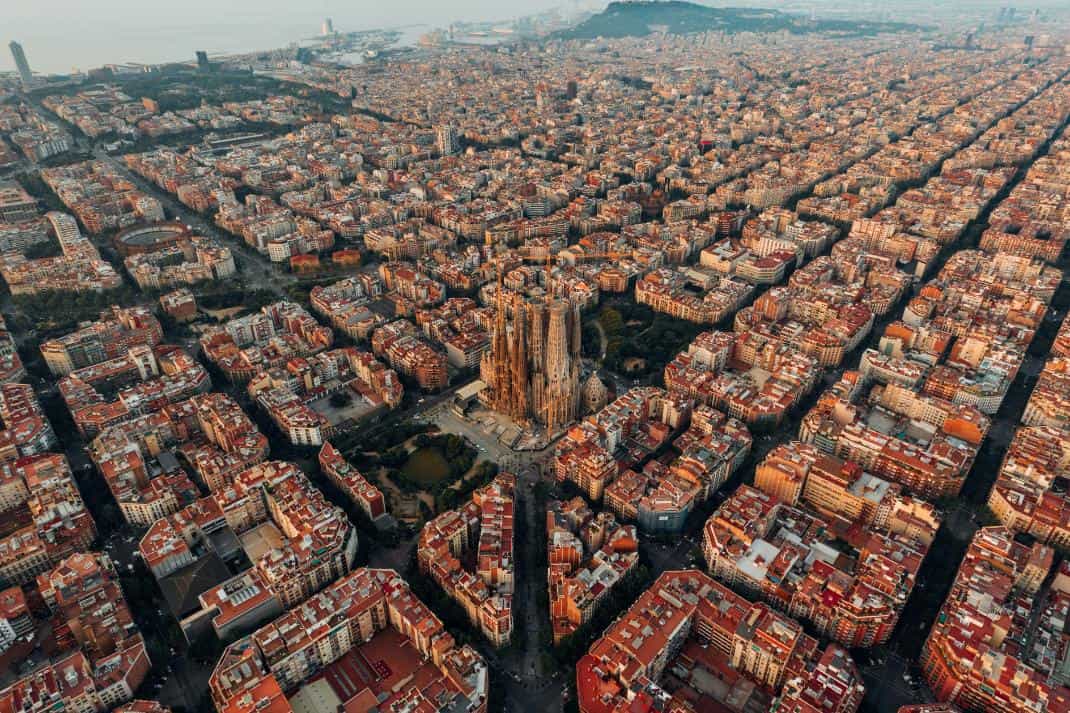
Seville, Spain
April, September–OctoberSeville in April has the Feria de Abril - one of Spain's great cultural events - combined with the spring flowers and moderate temperatures (22–26°C) that make the Alcázar and Cathedral most rewarding. September–October brings the city back to itself after August's sweltering heat.
from €160/night
All Culture Destinations
72 destinations - sorted by price
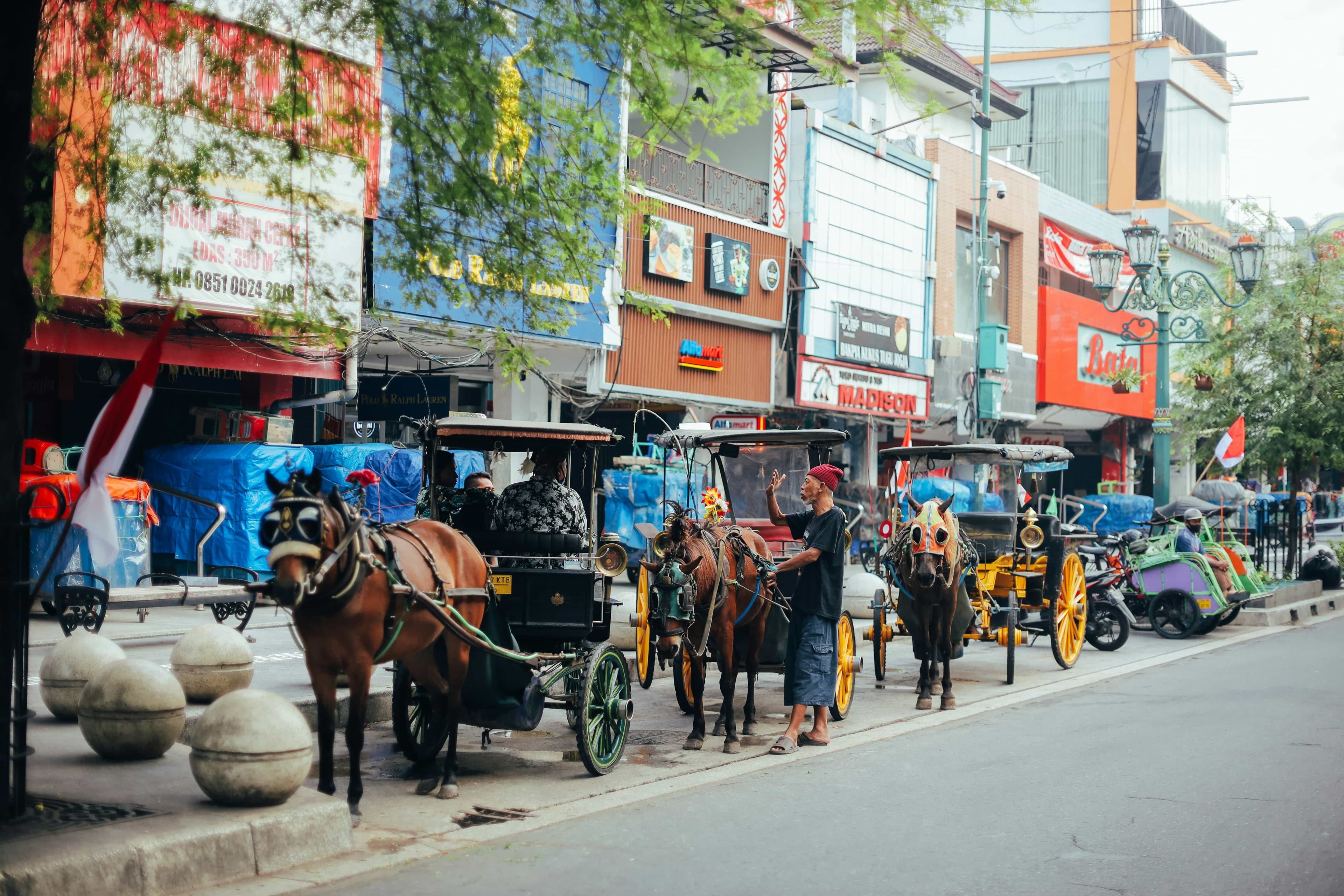
Yogyakarta
Indonesia
€40/night

Hoi An
Vietnam
€45/night
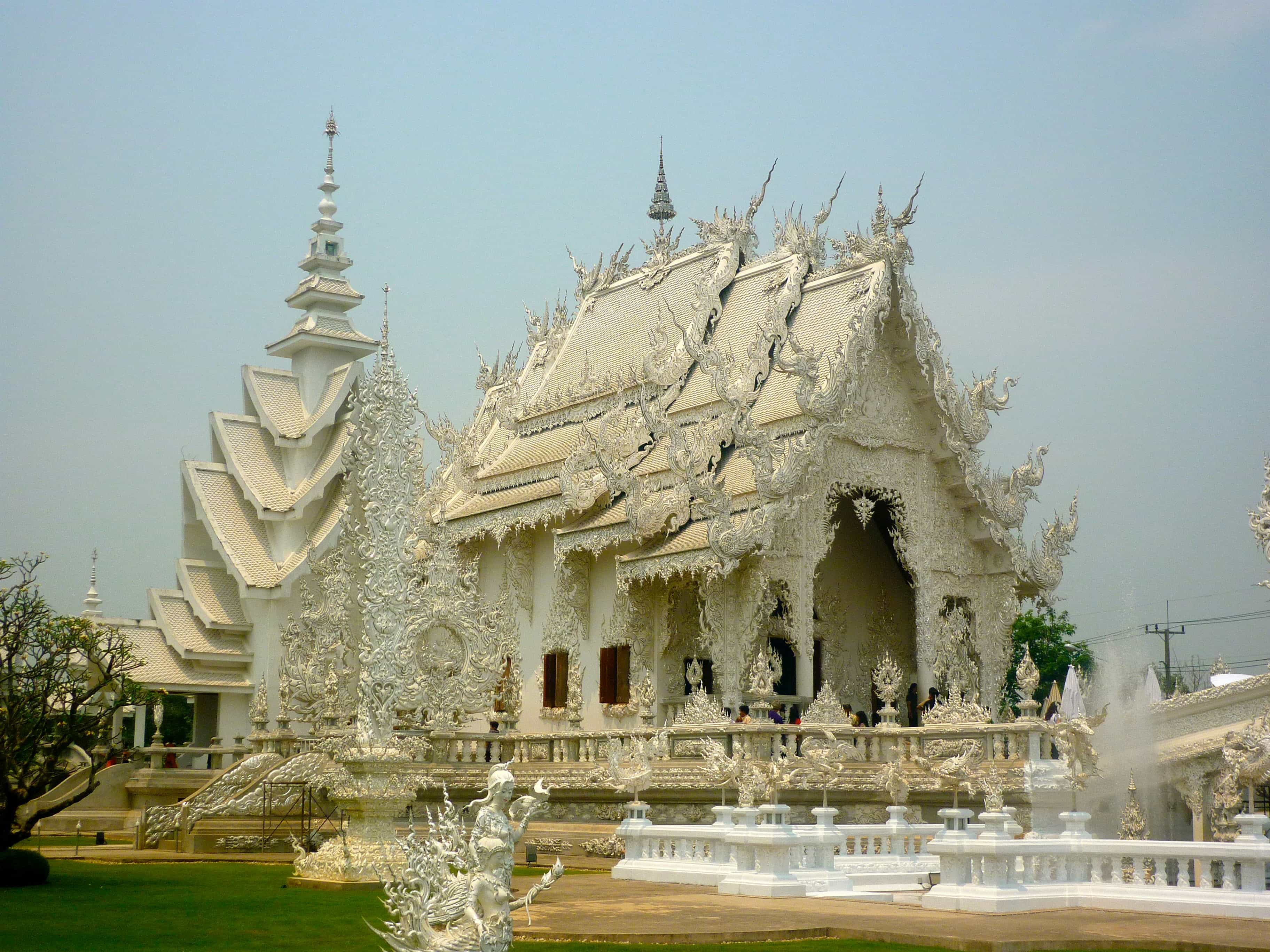
Chiang Mai
Thailand
€50/night

Siem Reap
Cambodia
€50/night

Hanoi
Vietnam
€52/night

Penang
Malaysia
€55/night

Kathmandu
Nepal
€55/night

Tbilisi
Georgia
€55/night

Luxor
Egypt
€55/night

Kerala
India
€60/night

Addis Ababa
Ethiopia
€60/night

Kandy
Sri Lanka
€65/night

Bali
Indonesia
€65/night

Kuala Lumpur
Malaysia
€65/night

Quito
Ecuador
€65/night

Jaipur (Rajasthan)
India
€70/night
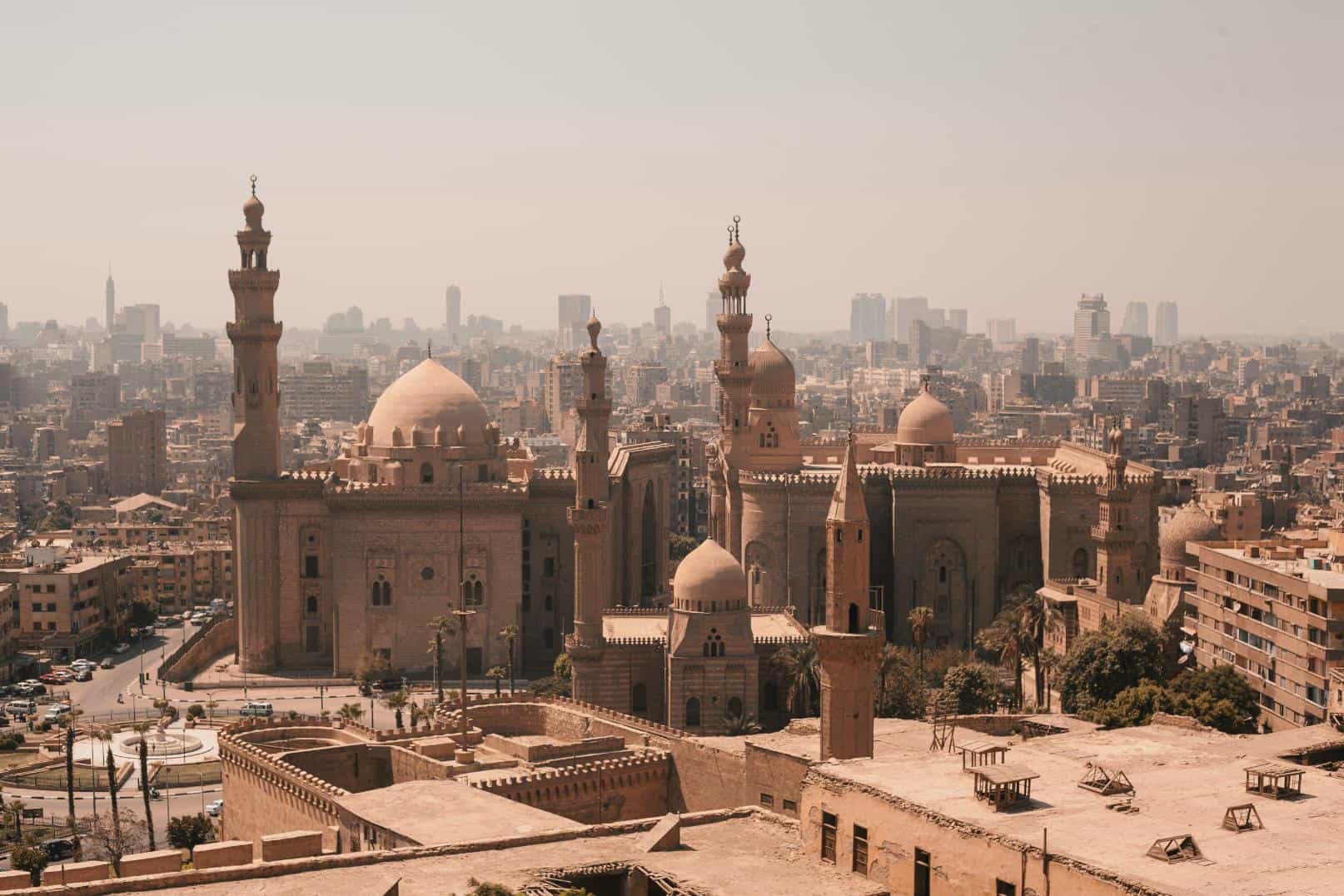
Cairo
Egypt
€70/night
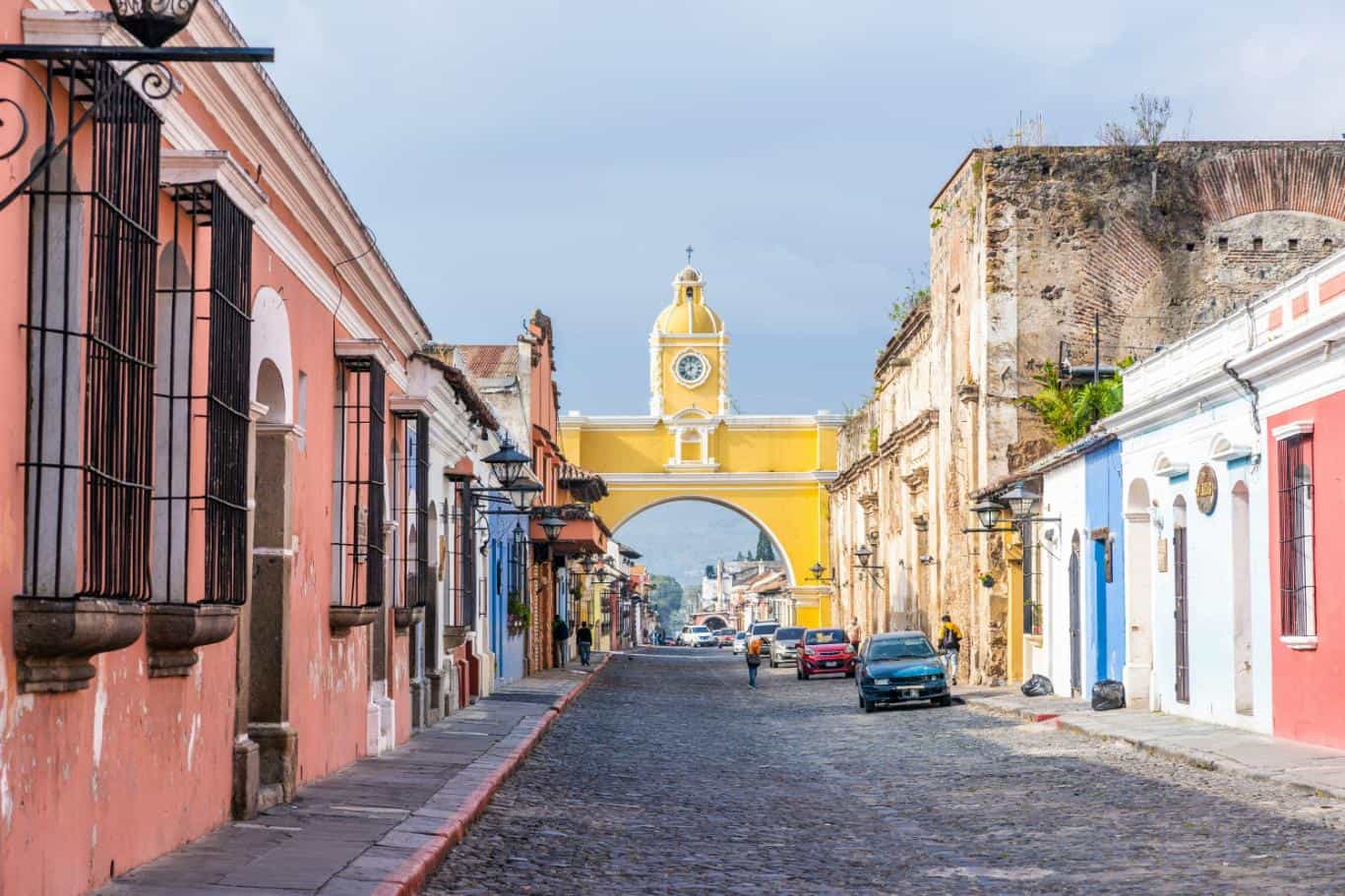
Antigua
Guatemala
€70/night
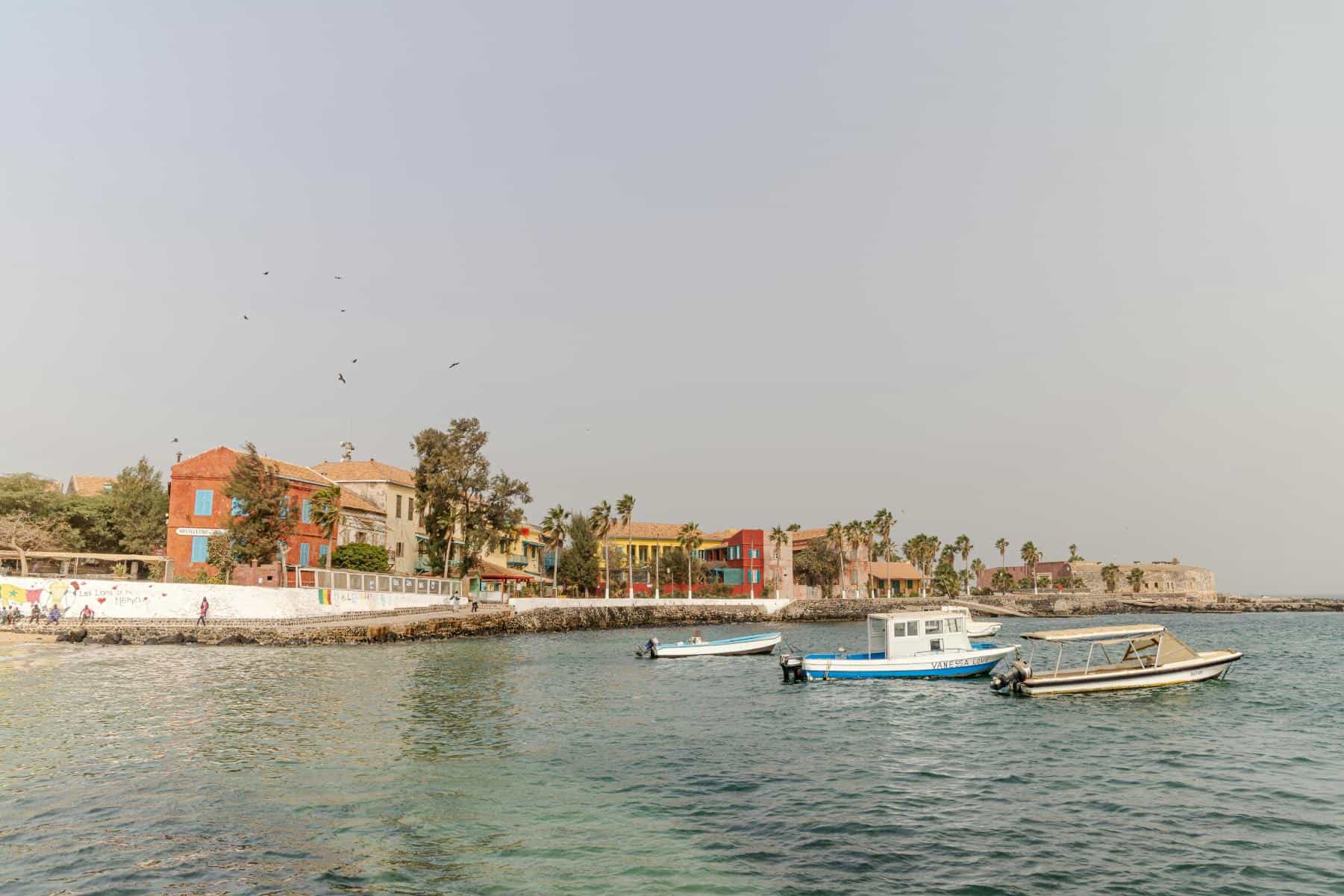
Dakar
Senegal
€75/night

Medellín
Colombia
€75/night

Havana
Cuba
€75/night
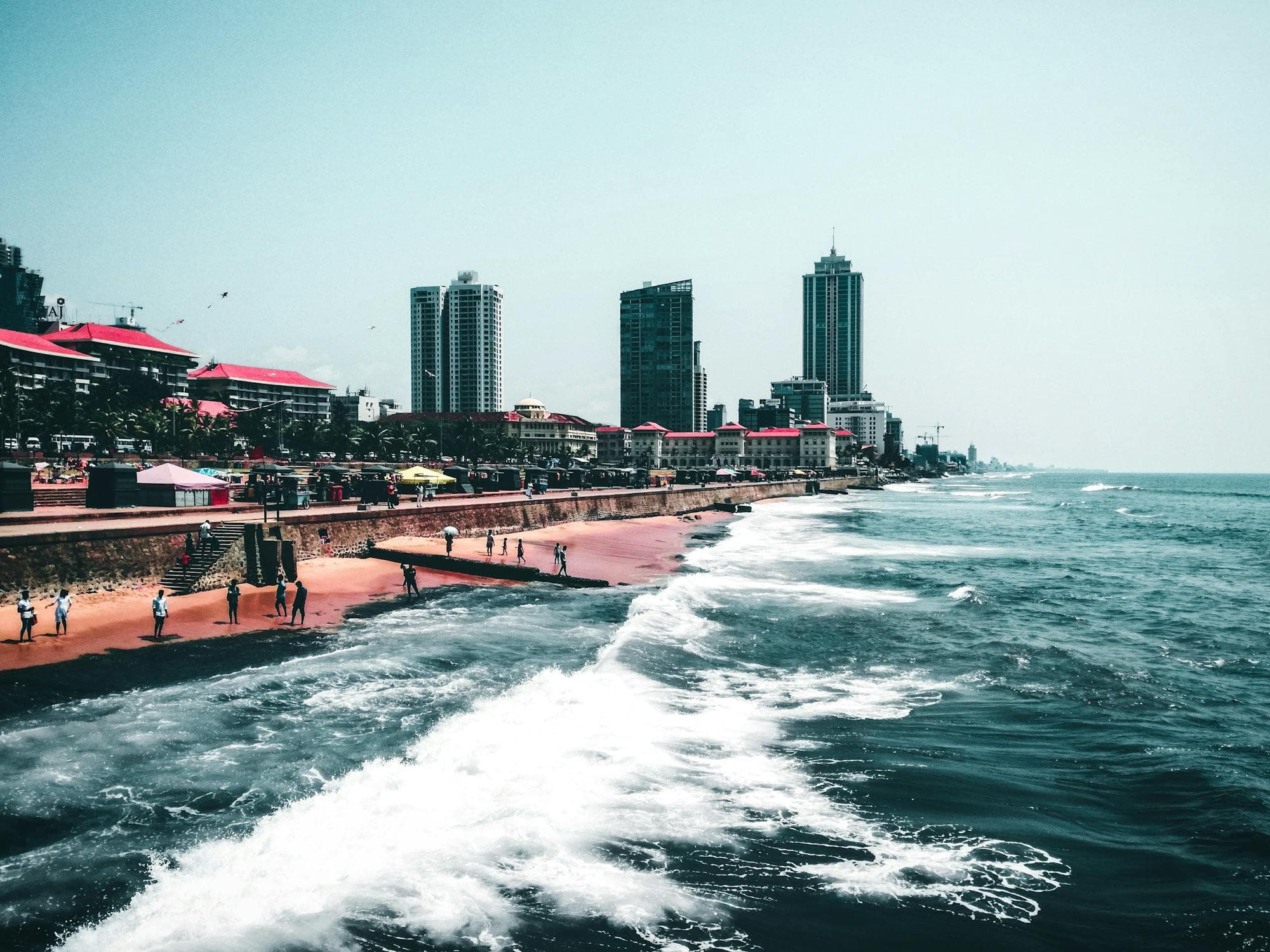
Colombo
Sri Lanka
€78/night

Fès
Morocco
€80/night

Oaxaca City
Mexico
€80/night

San José
Costa Rica
€80/night

Taipei
Taiwan
€85/night

Santo Domingo
Dominican Republic
€85/night
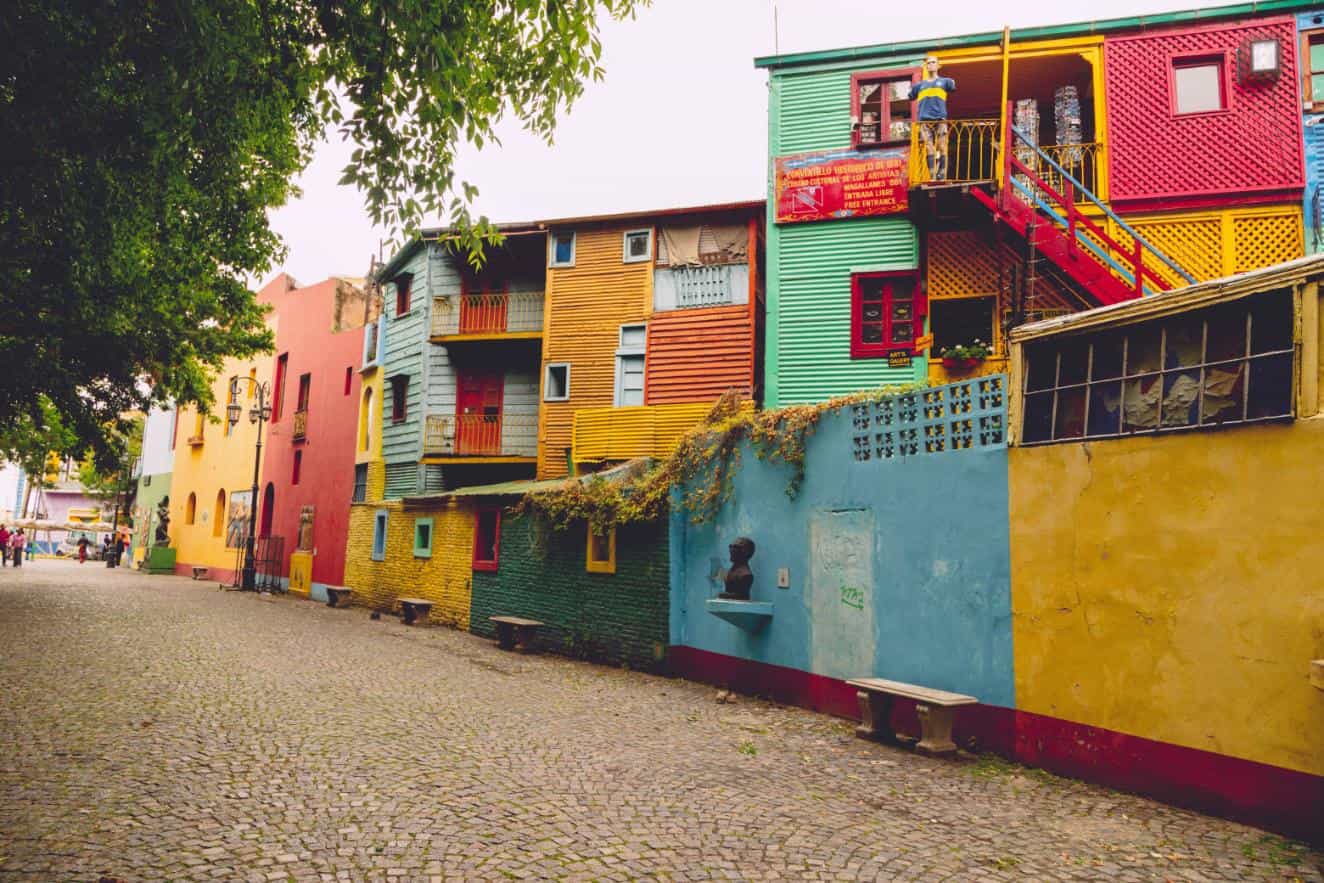
Buenos Aires
Argentina
€85/night
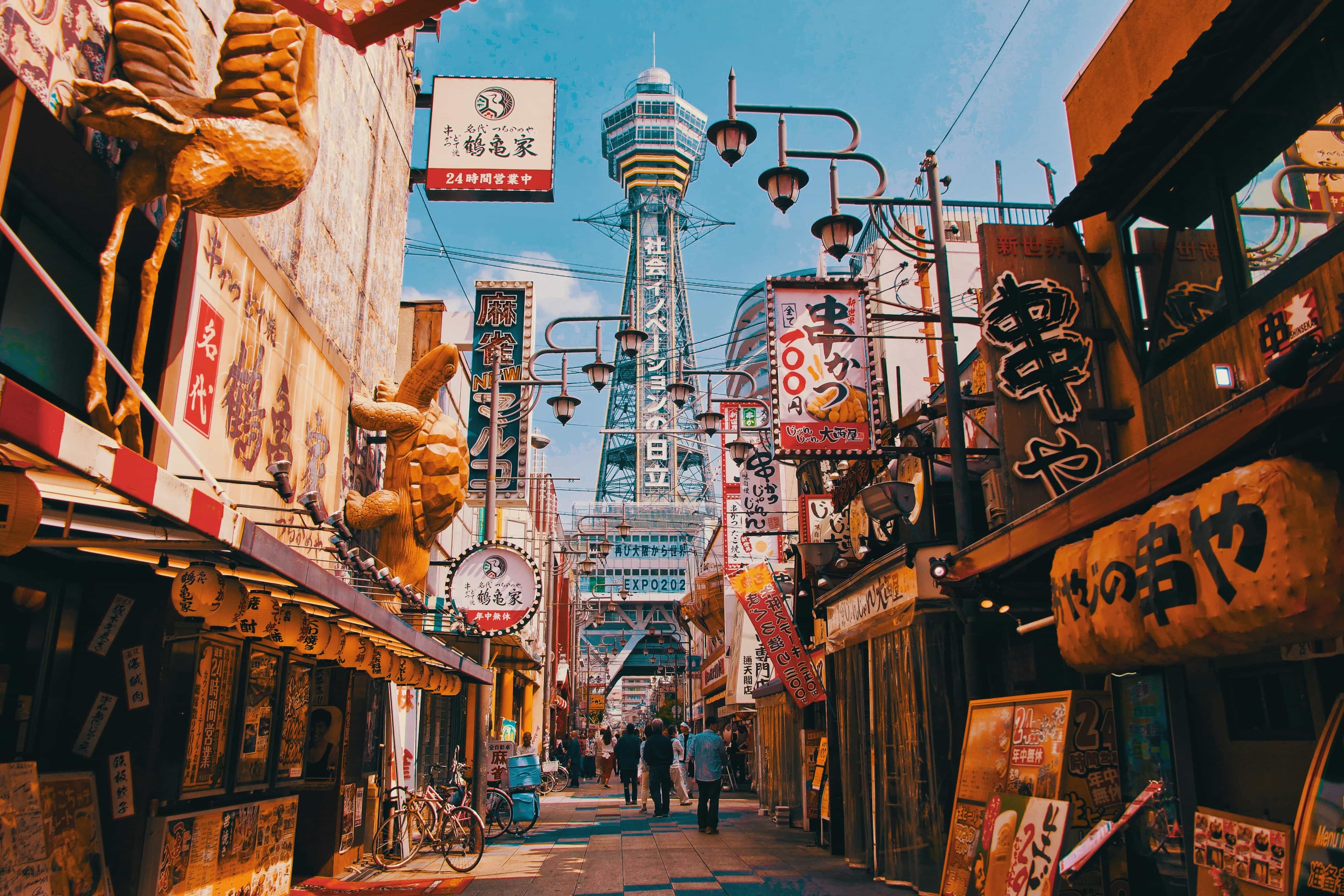
Osaka
Japan
€90/night

Nairobi
Kenya
€90/night

Panama City
Panama
€90/night

Lima
Peru
€90/night

Port of Spain
Trinidad & Tobago
€90/night
Kyoto
Japan
€95/night

Seoul
South Korea
€95/night

Kigali
Rwanda
€95/night

Santiago
Chile
€95/night
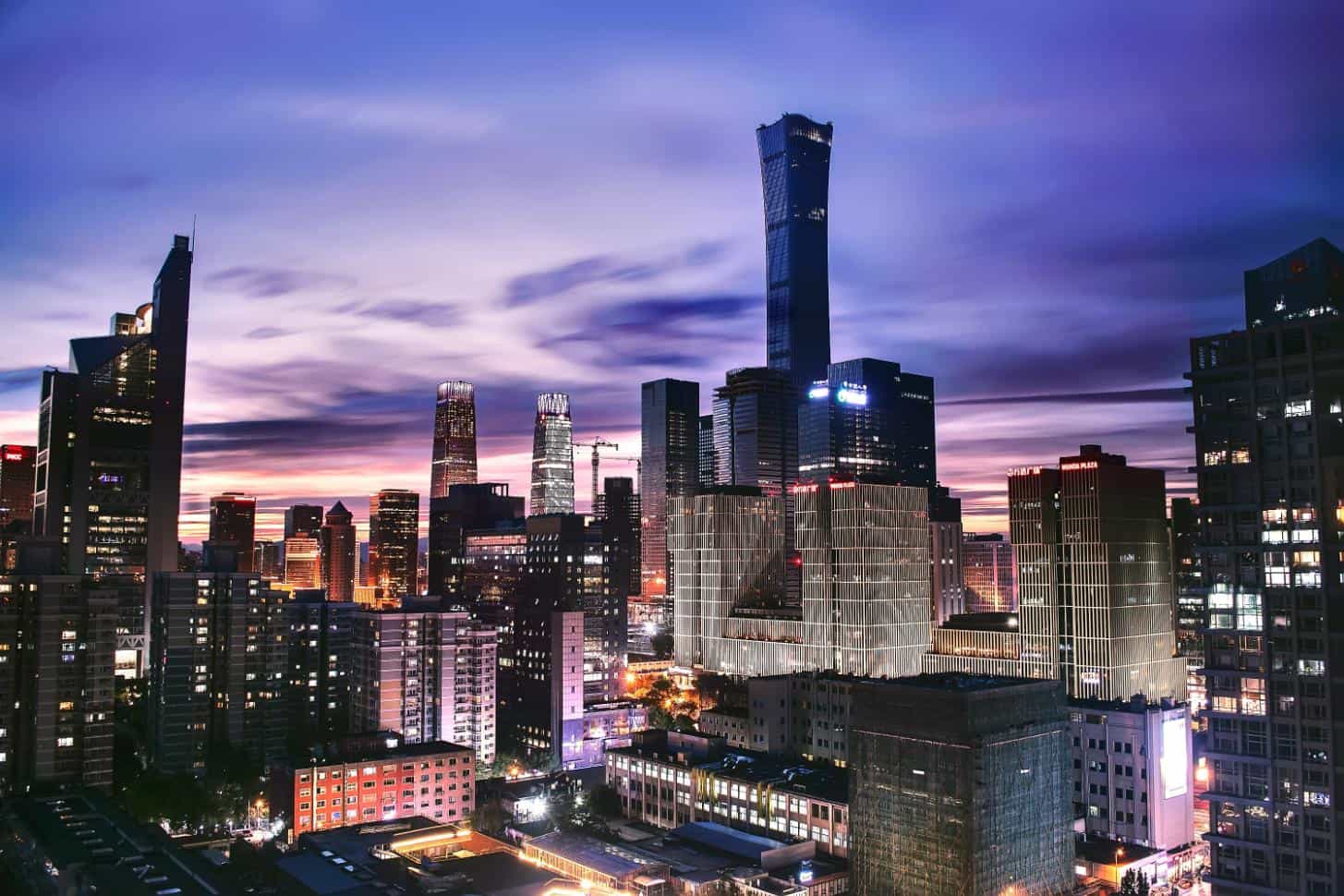
Beijing
China
€96/night

Mexico City
Mexico
€100/night

San Miguel de Allende
Mexico
€100/night

Zanzibar
Tanzania
€105/night
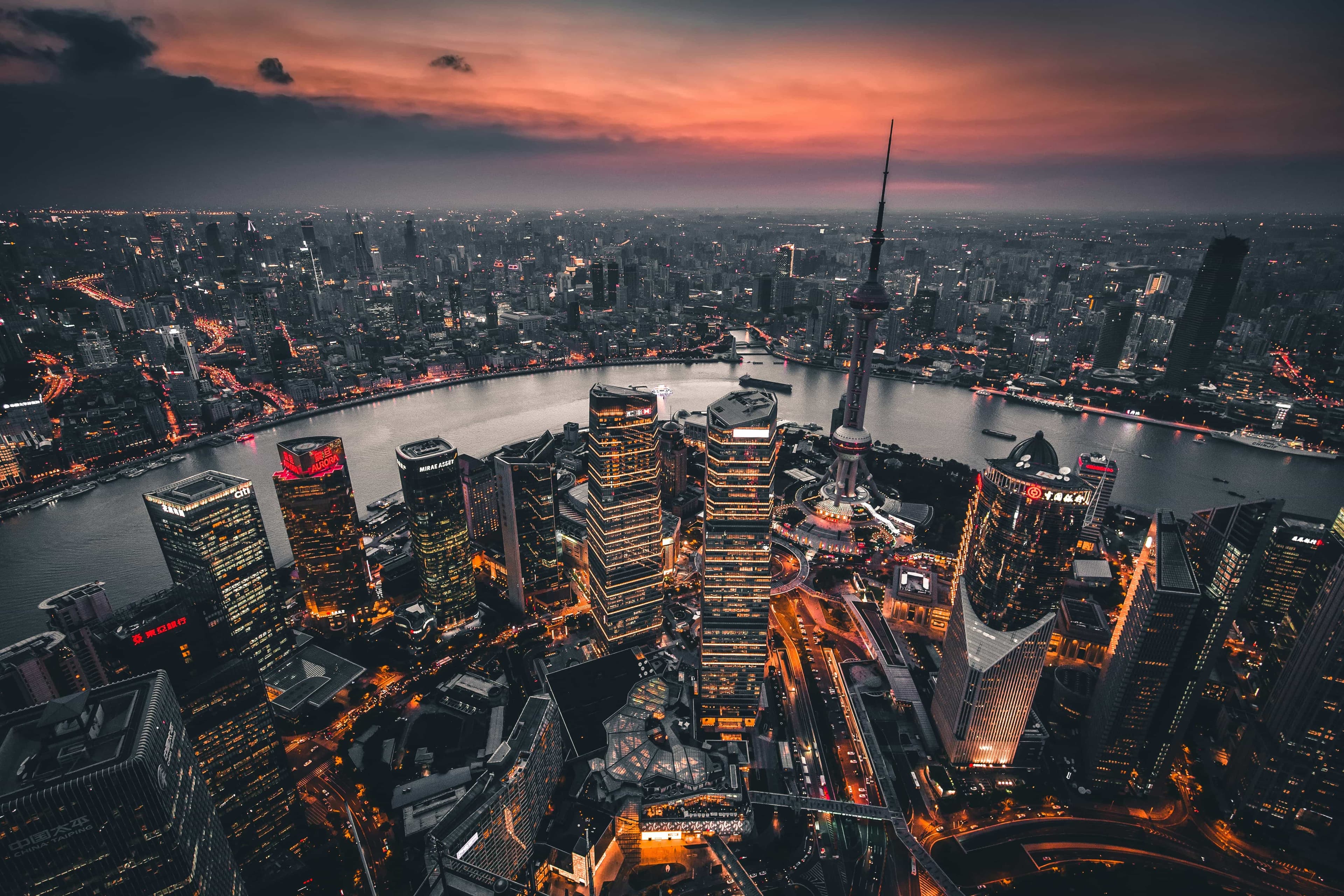
Shanghai
China
€109/night
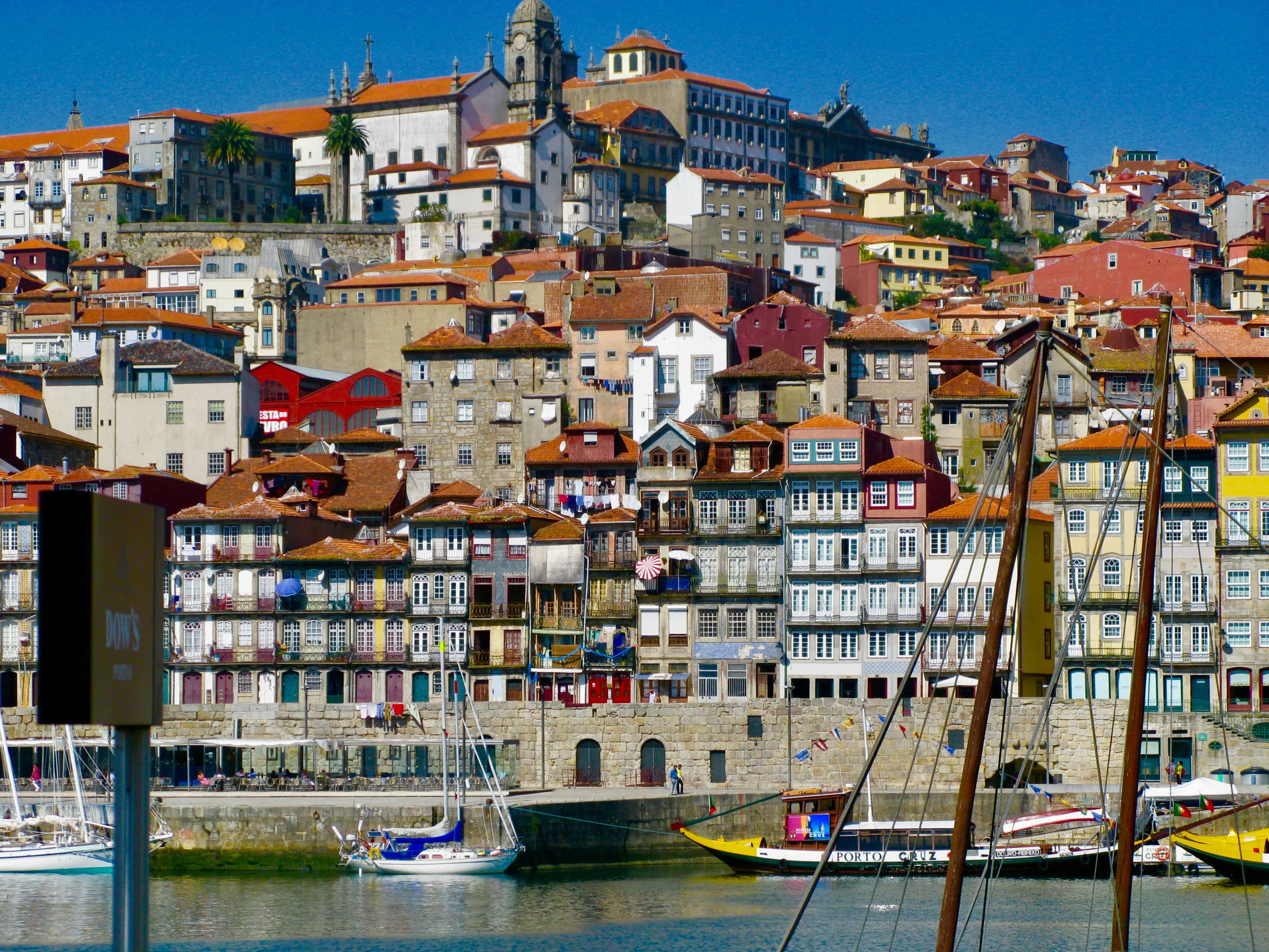
Porto
Portugal
€110/night

Cartagena
Colombia
€110/night
Istanbul
Turkey
€115/night
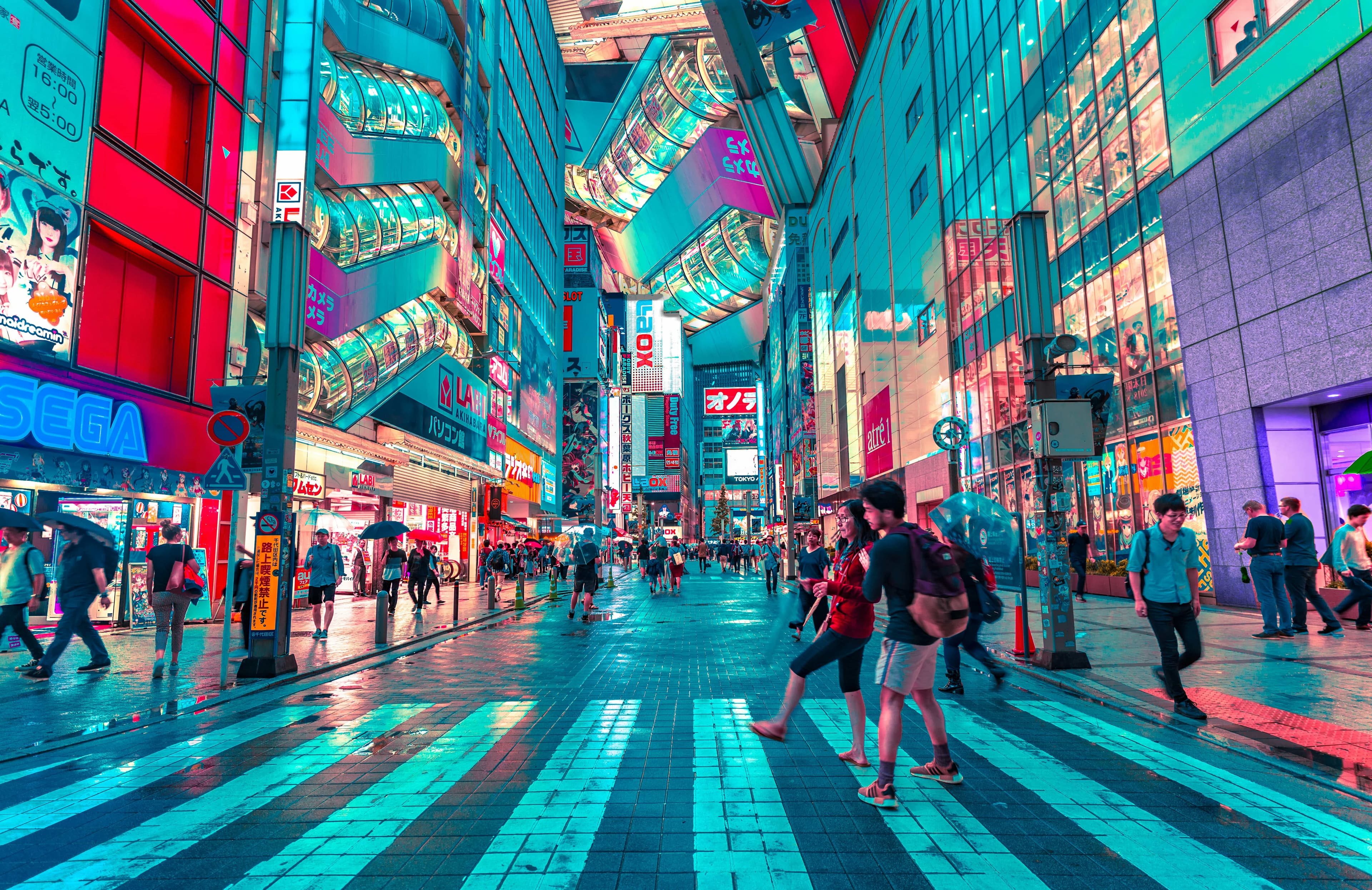
Tokyo
Japan
€115/night
Athens
Greece
€120/night

Cusco
Peru
€120/night
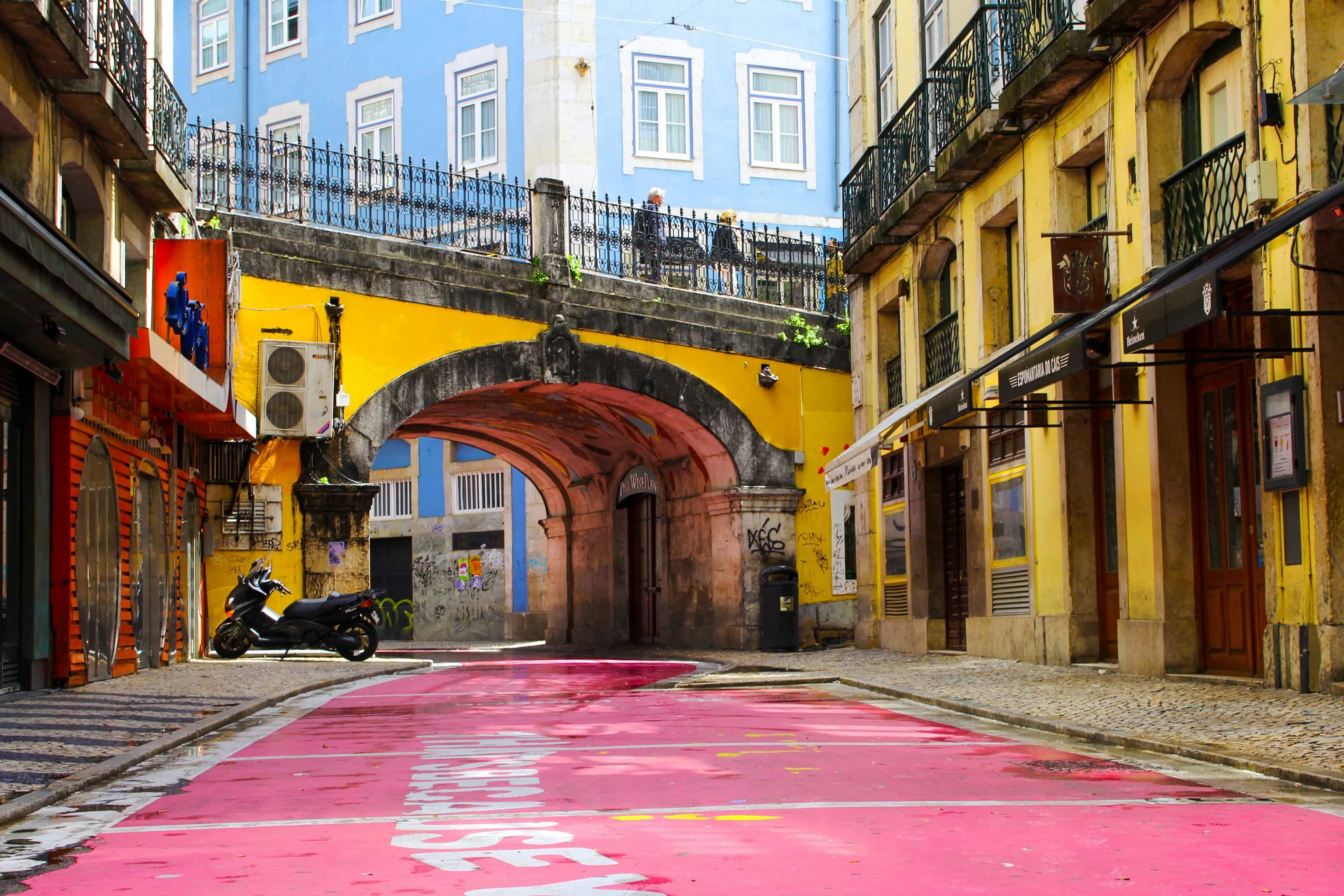
Lisbon
Portugal
€130/night

Port Louis
Mauritius
€130/night

Montréal
Canada
€130/night
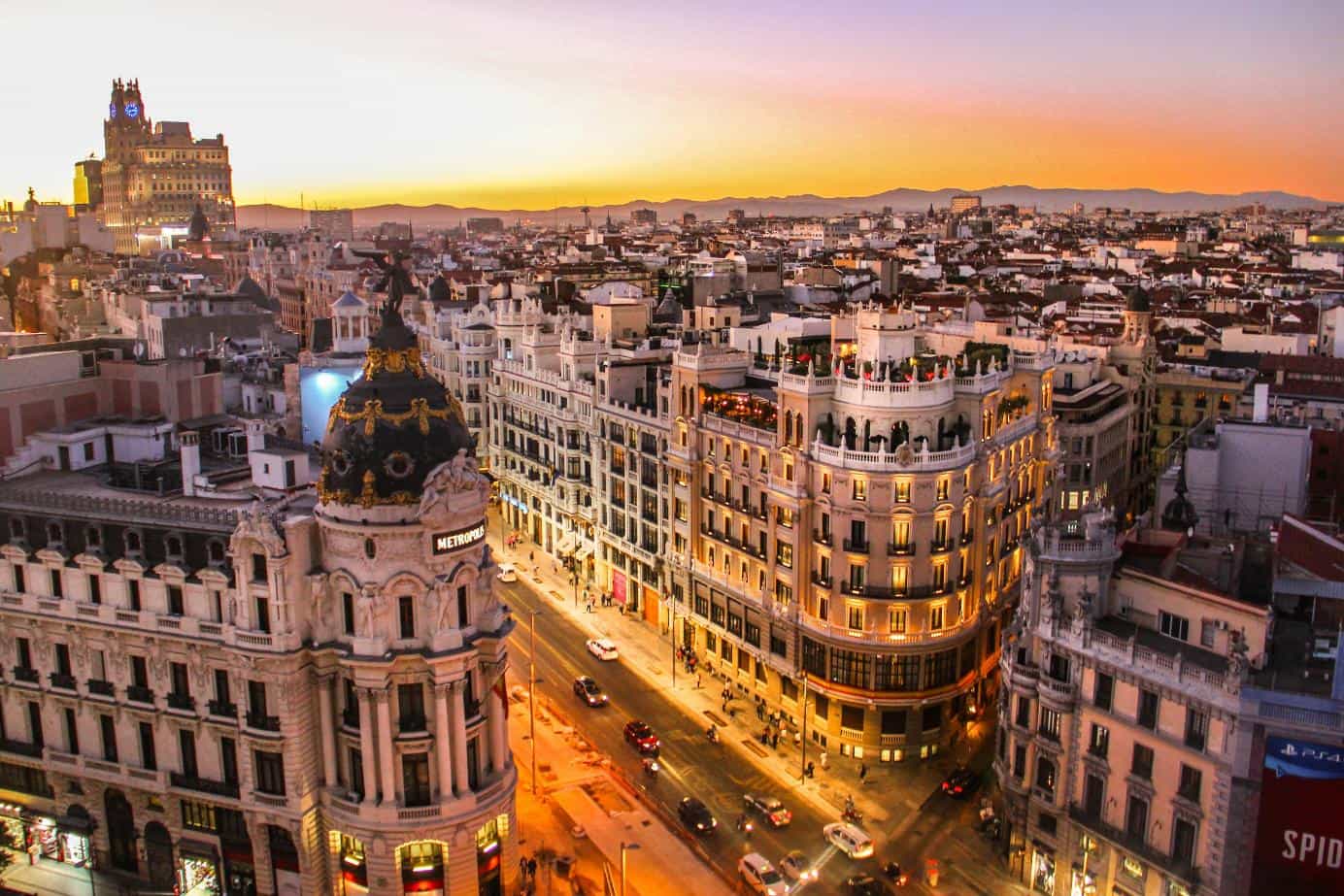
Madrid
Spain
€135/night
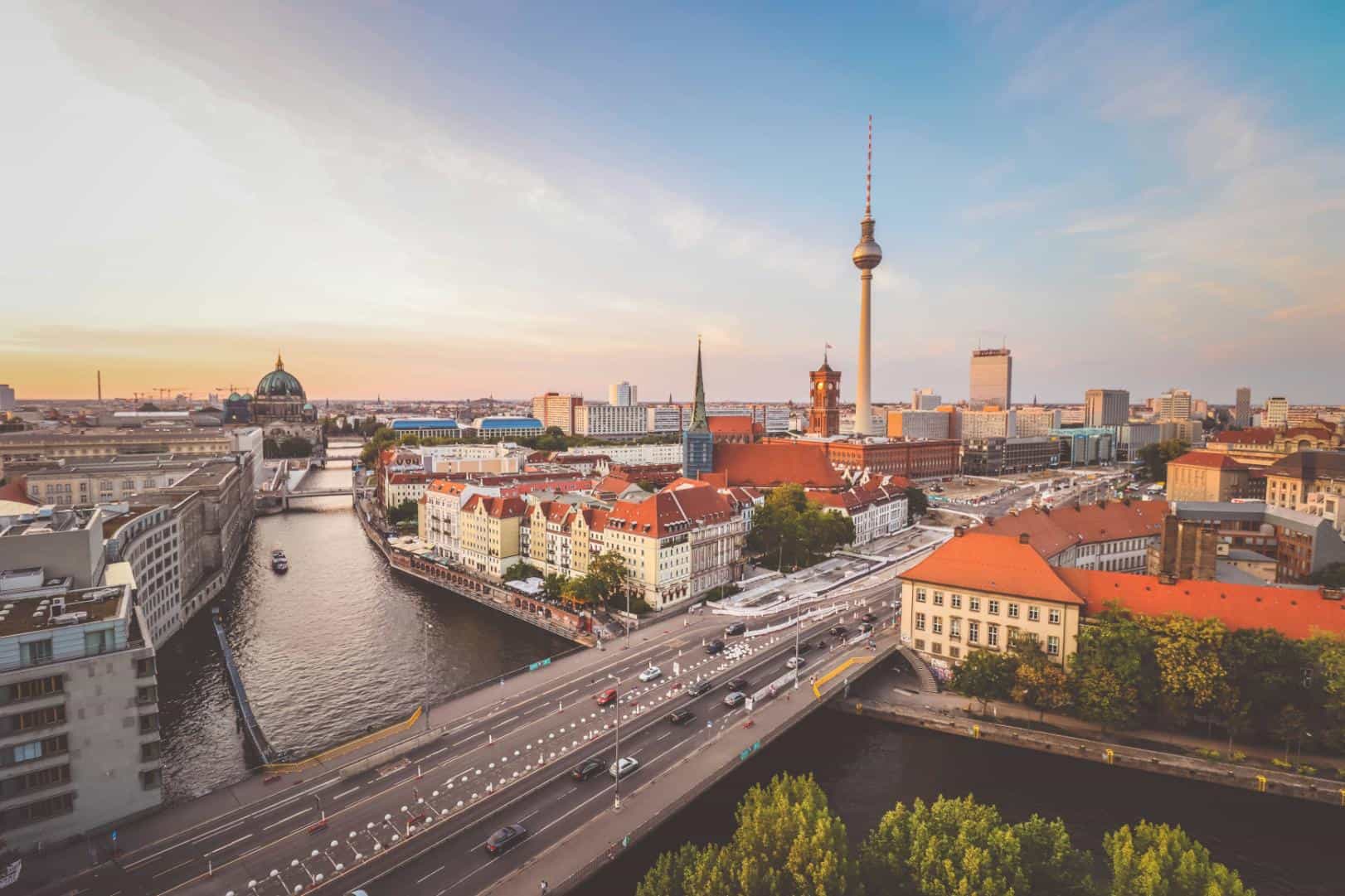
Berlin
Germany
€135/night
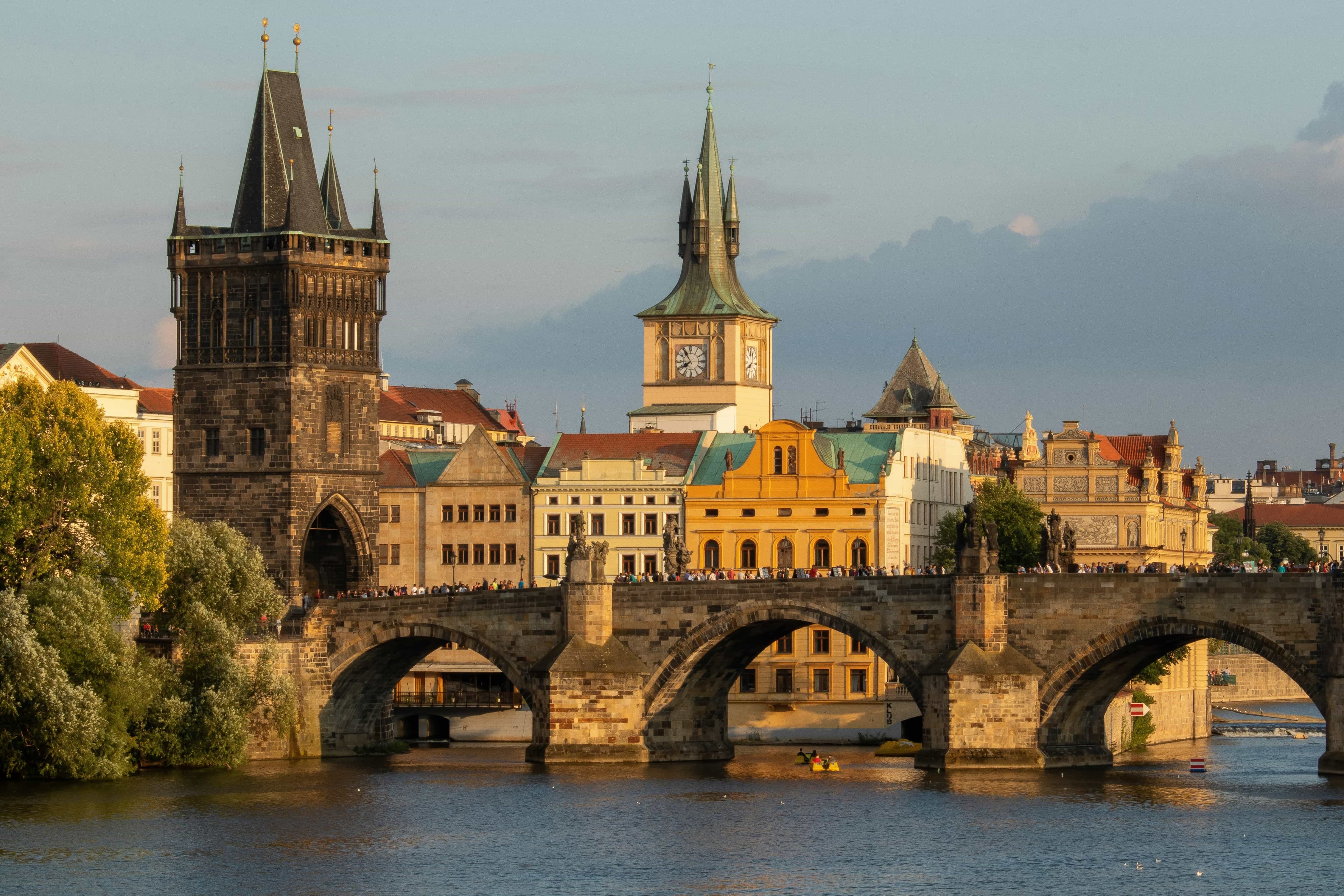
Prague
Czech Republic
€135/night

Nashville
USA
€140/night
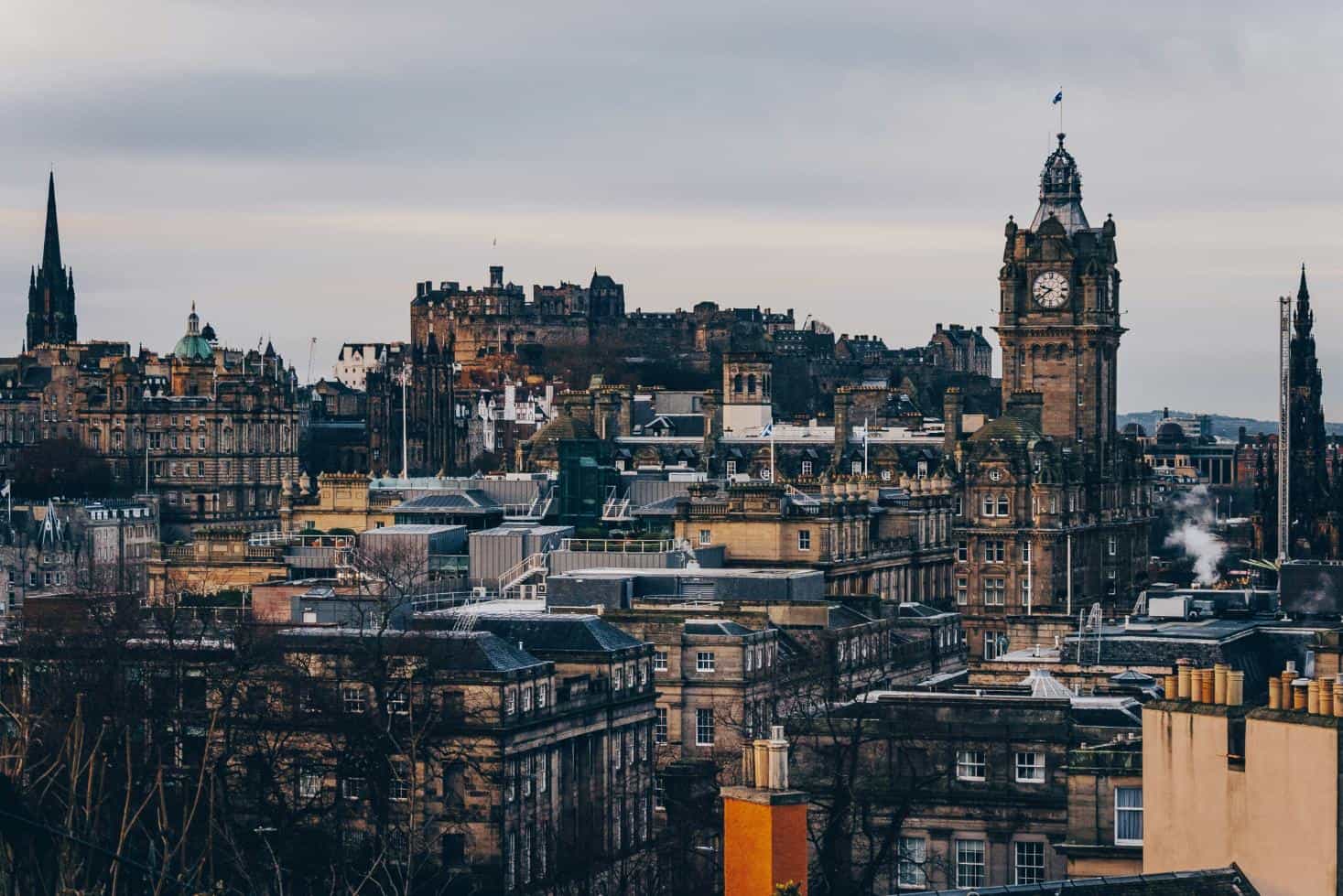
Edinburgh
United Kingdom
€145/night
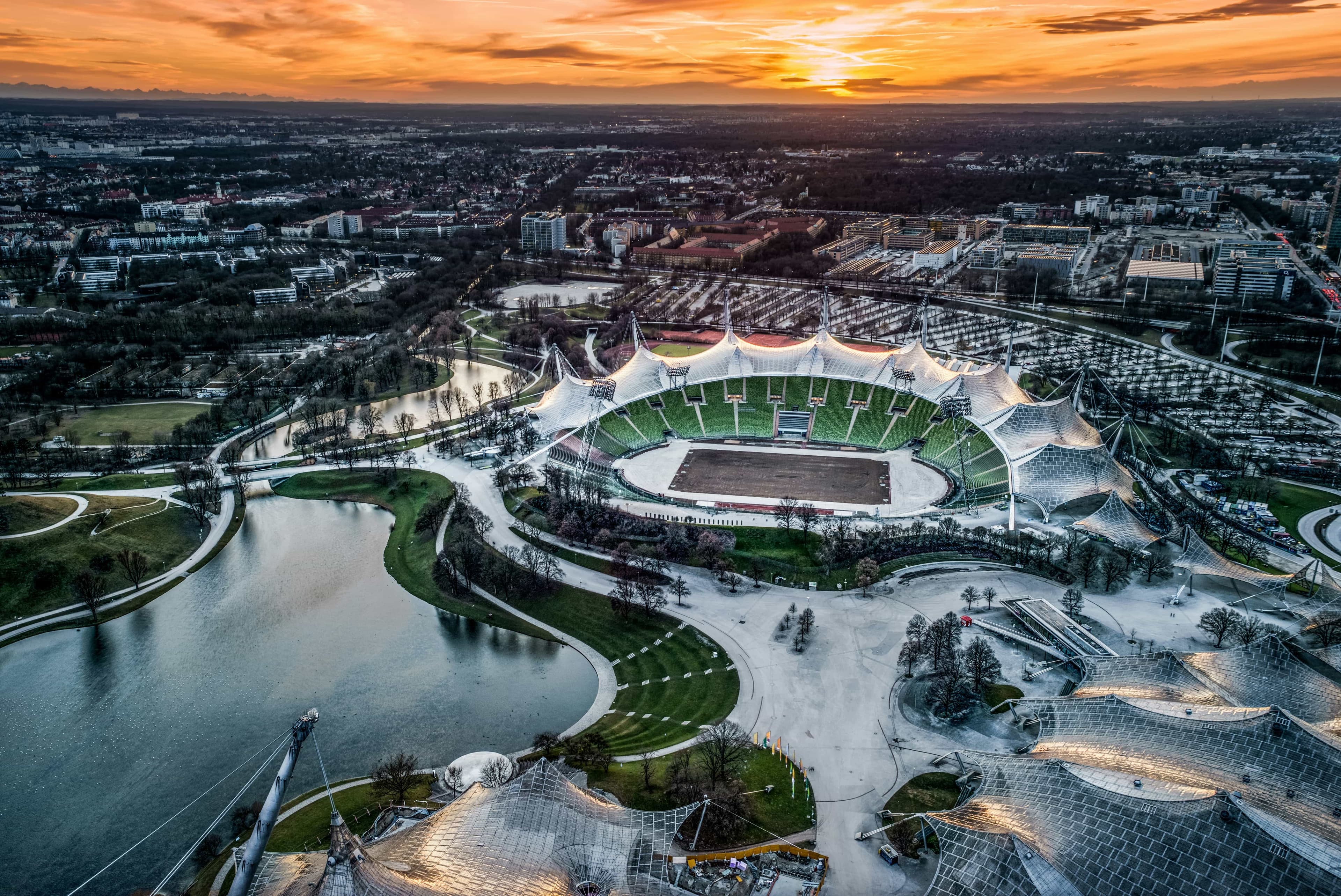
Munich
Germany
€145/night

New Orleans
USA
€145/night
Vienna
Austria
€150/night

Rio de Janeiro
Brazil
€150/night

Singapore
Singapore
€155/night

Marrakech
Morocco
€165/night

Sydney
Australia
€165/night
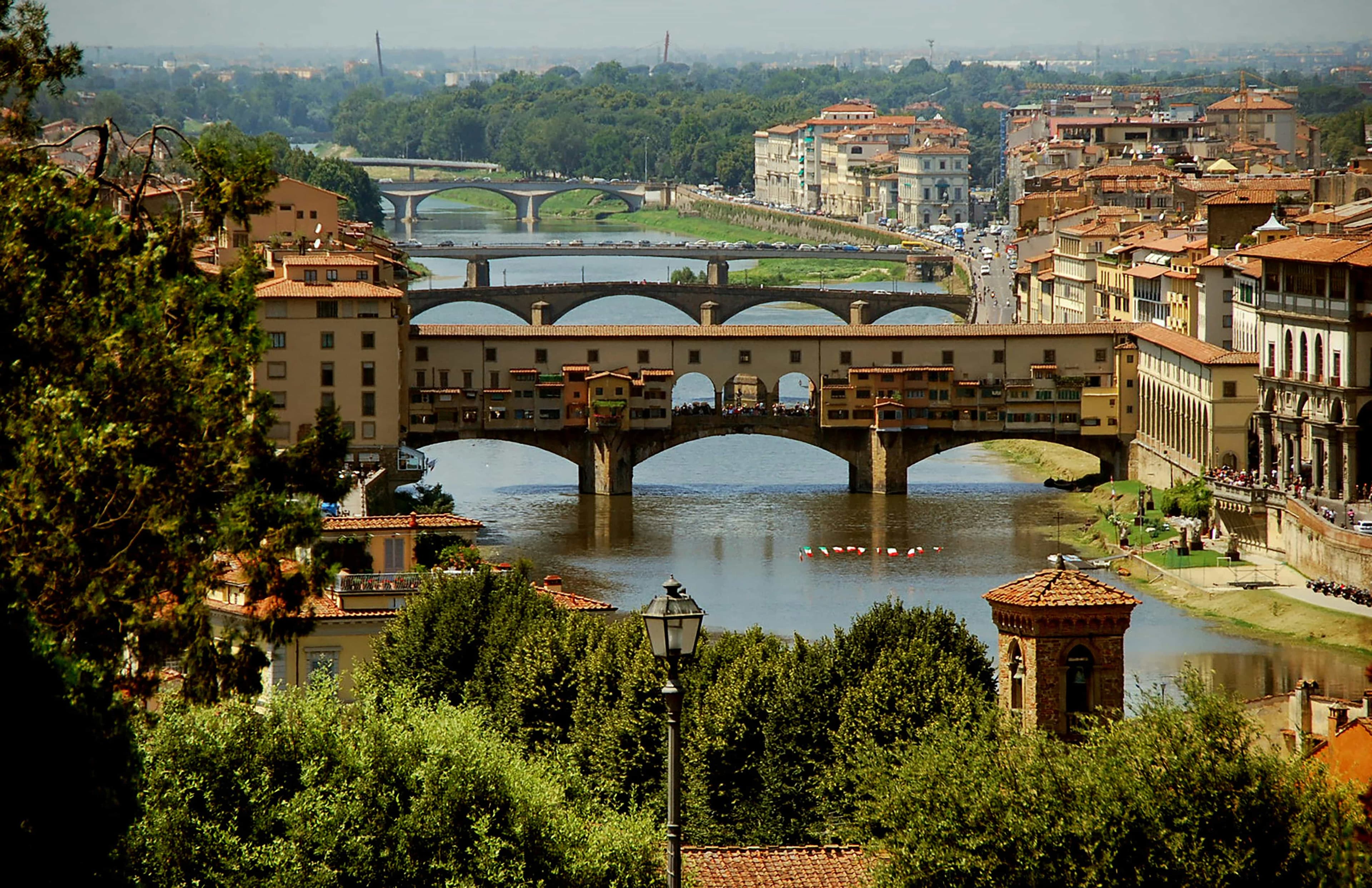
Florence
Italy
€170/night
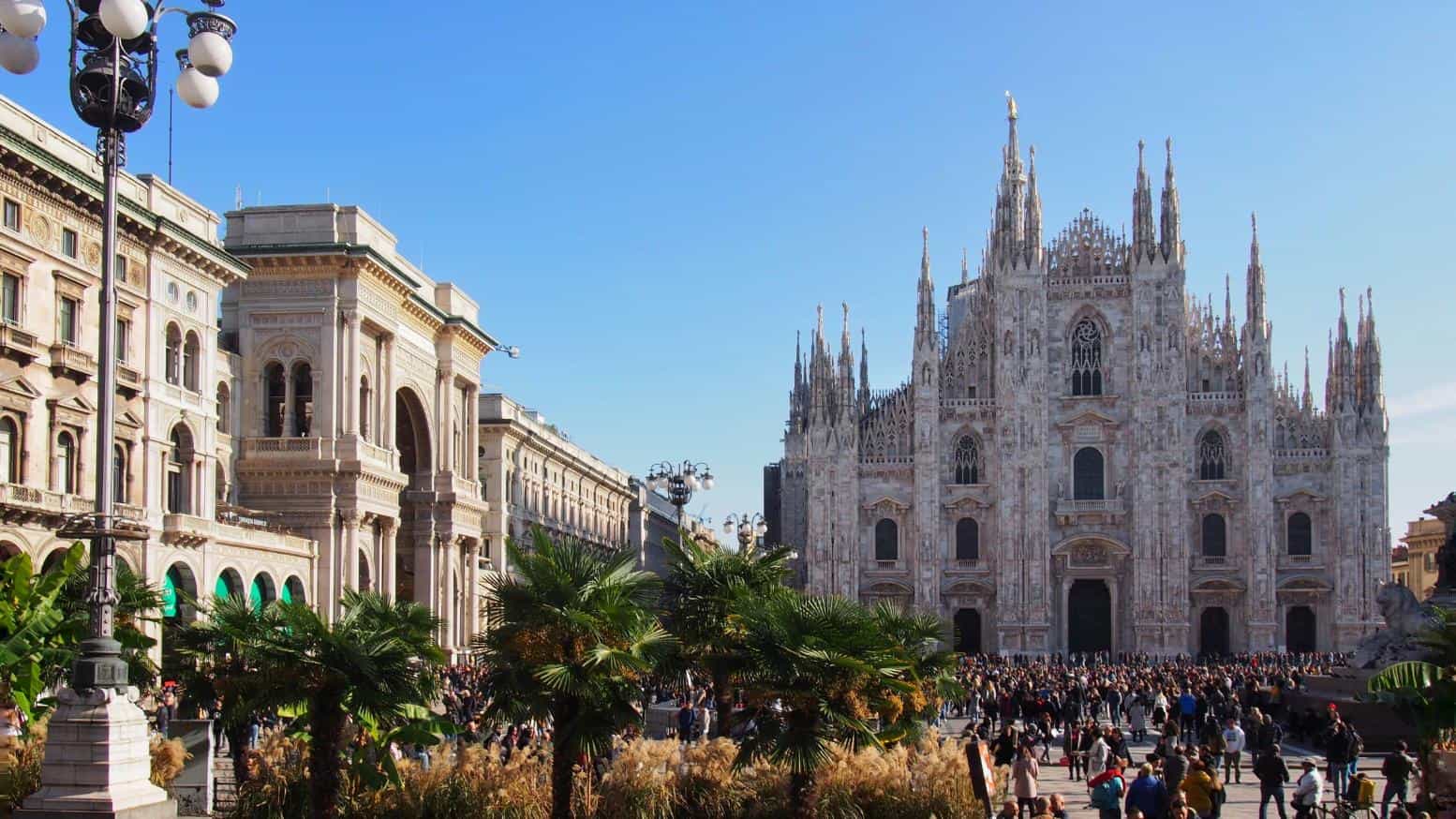
Milan
Italy
€175/night
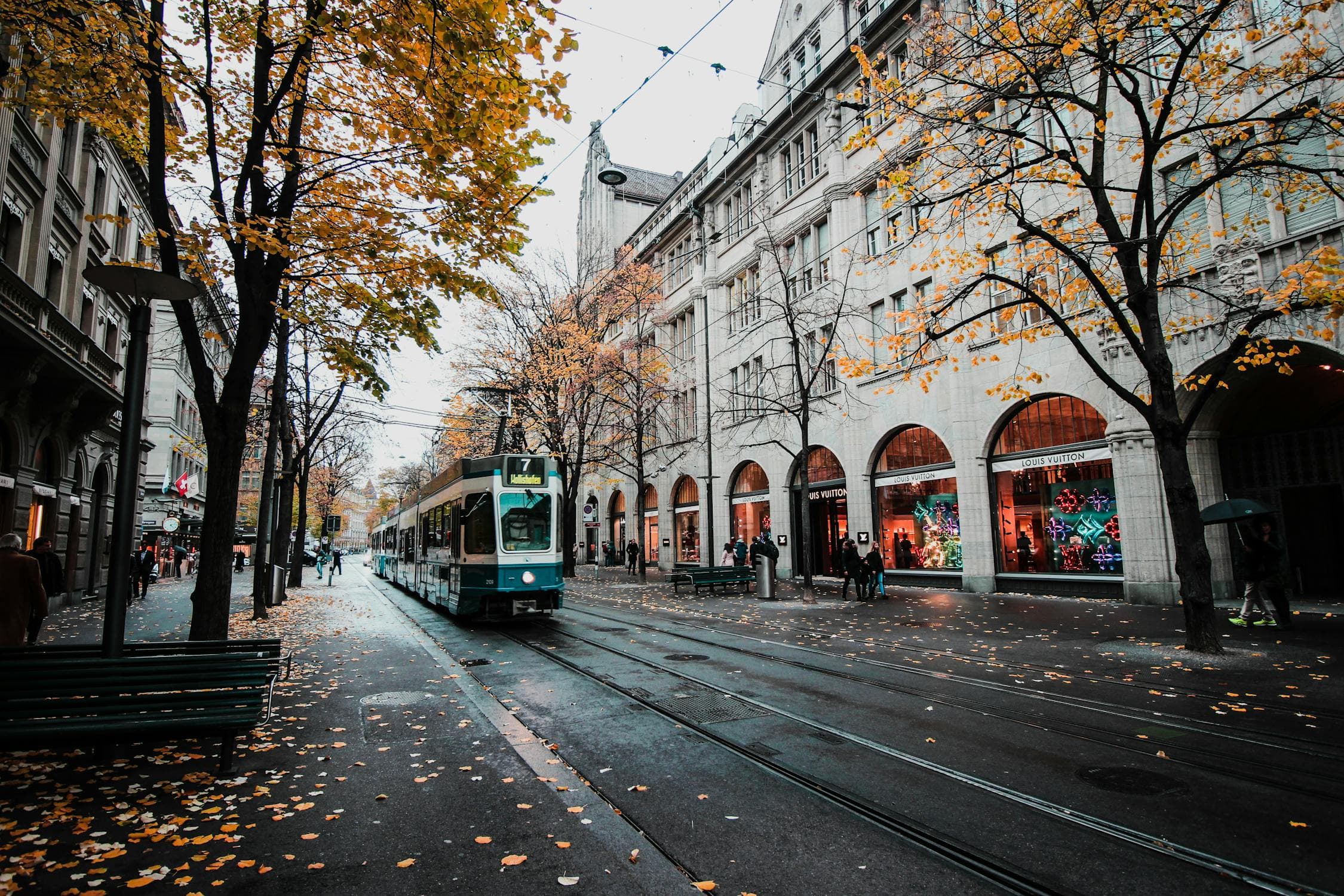
Zurich
Switzerland
€180/night
Rome
Italy
€185/night
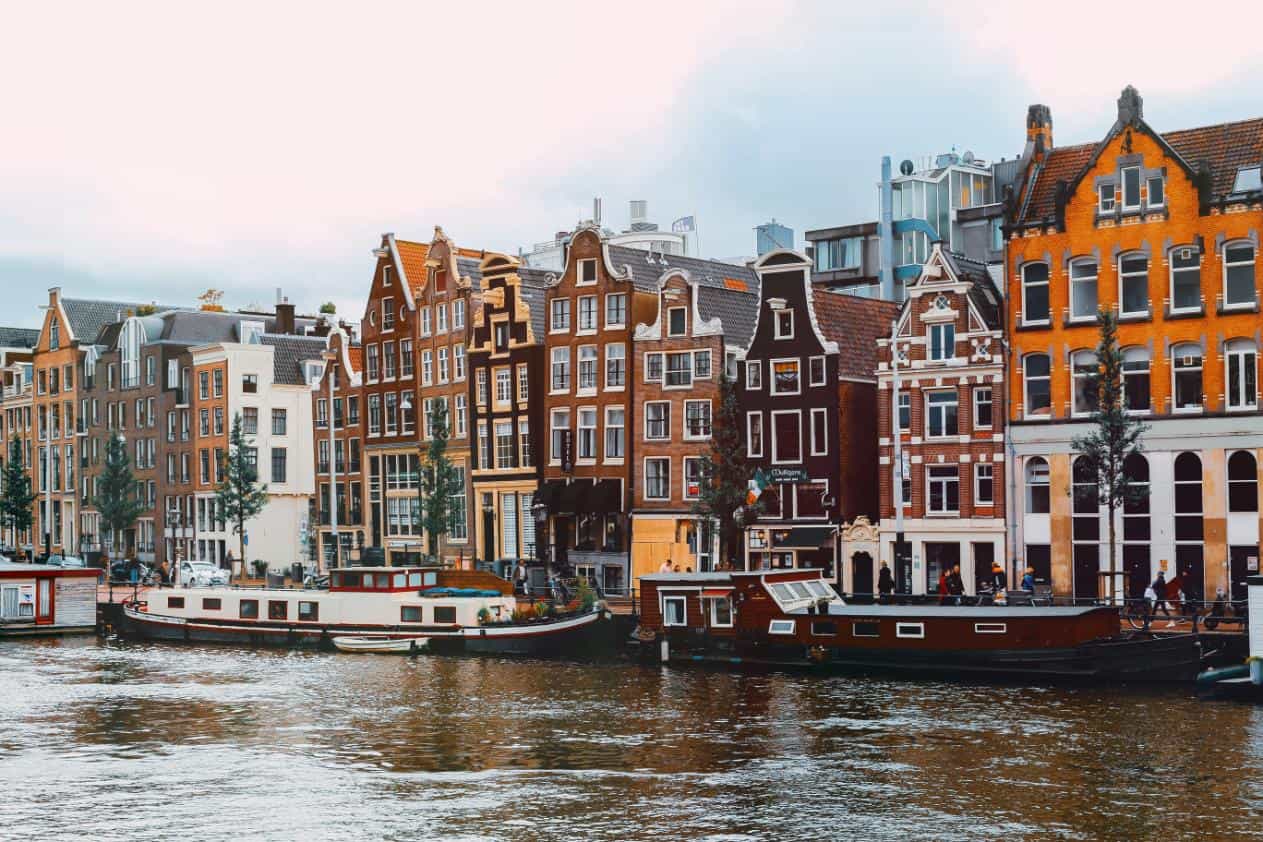
Amsterdam
Netherlands
€185/night
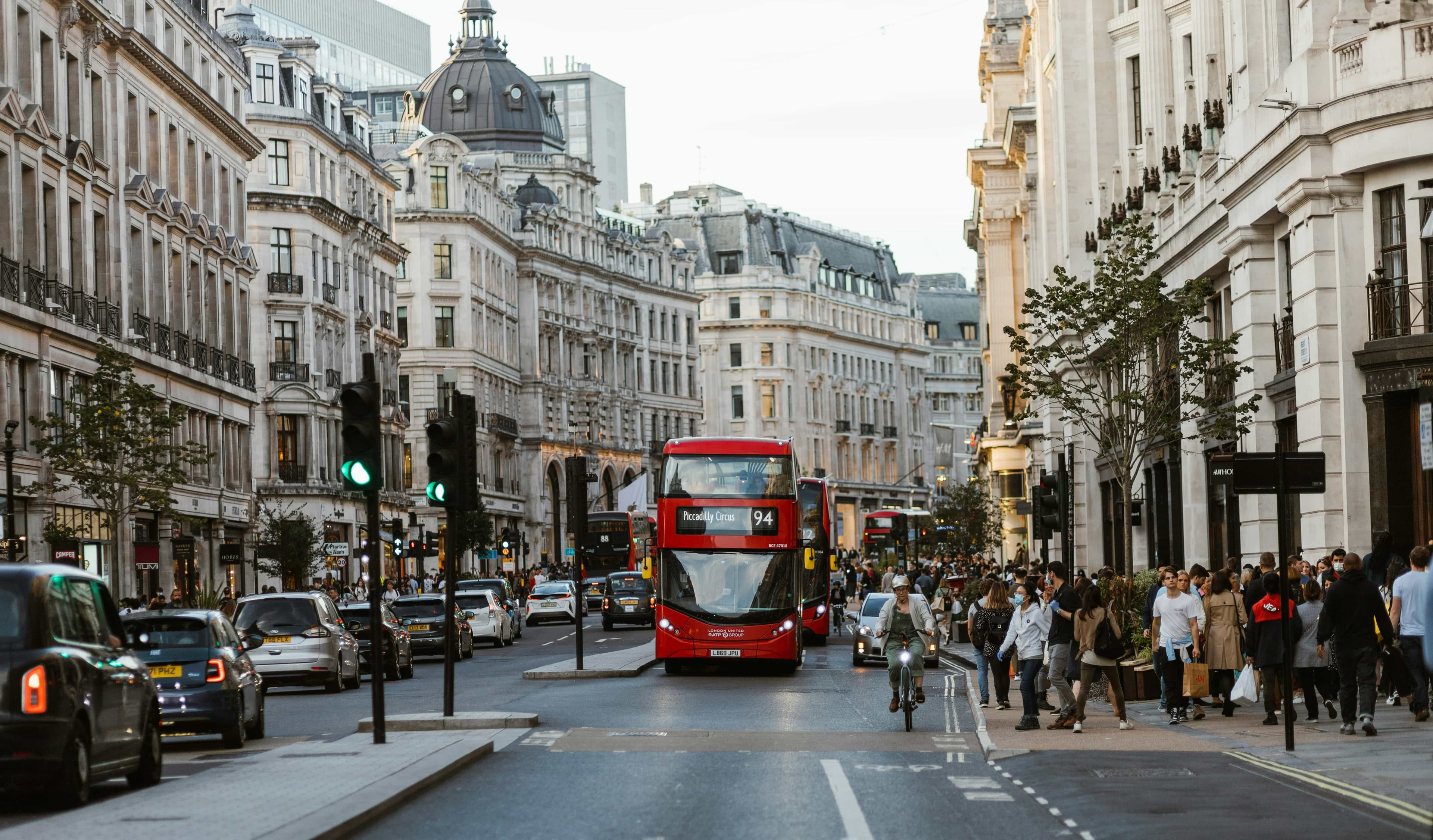
London
United Kingdom
€190/night

New York City
USA
€190/night

San Francisco
USA
€190/night
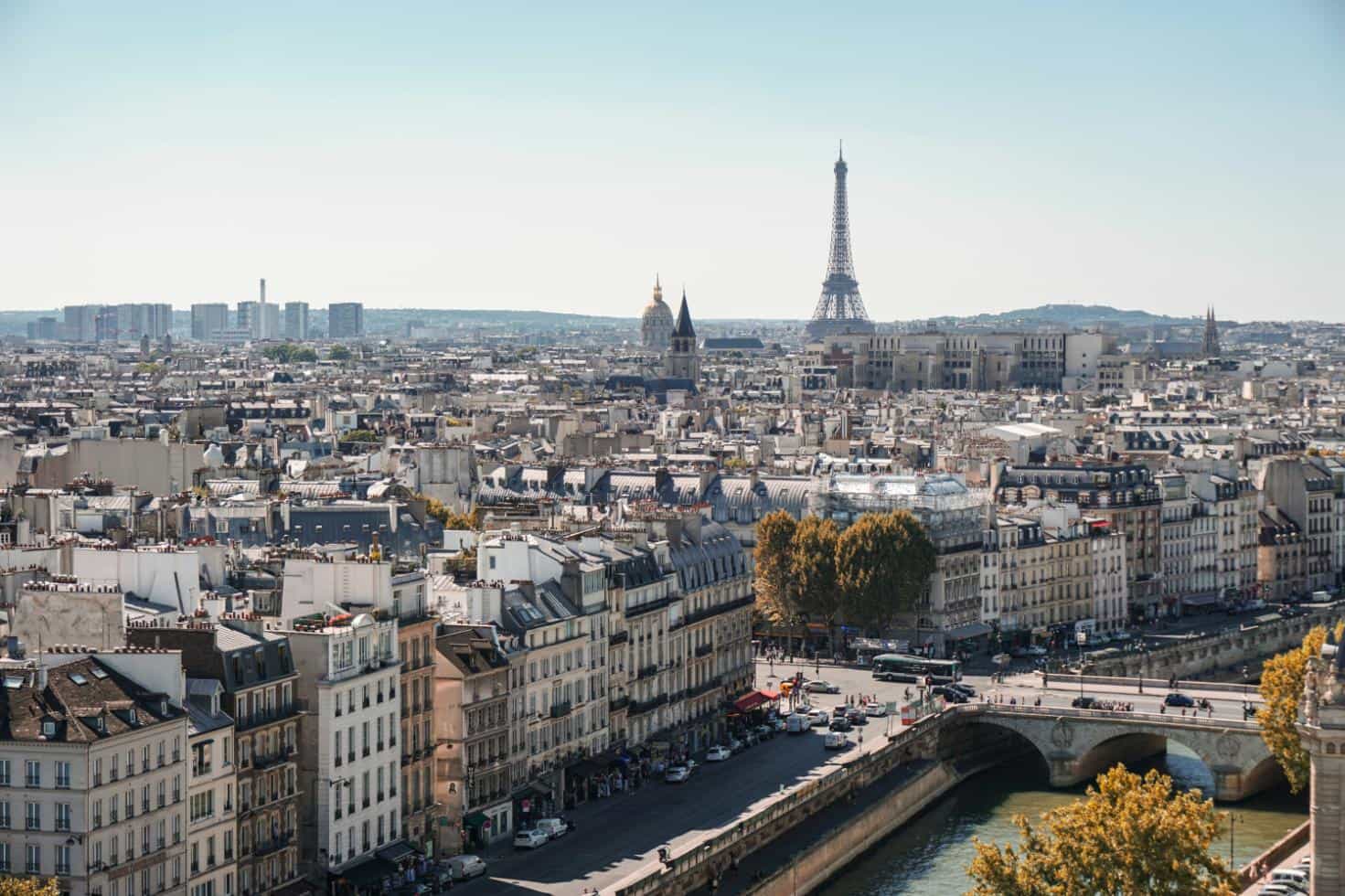
Paris
France
€220/night
Planning Tips for Culture Travel in Shoulder Season
Buy timed entry tickets for major sites before travelling
The Acropolis, Colosseum, Vatican Museums, Uffizi, and Sagrada Família all require advance booking regardless of season. Shoulder season gives better availability but the most popular sites fill timed slots. Book your essential two or three cultural sites before you leave.
Visit the secondary sites first
At every great cultural destination, the secondary sites are extraordinary and ignored. The Museo Nazionale Romano in Rome, the Kerameikos archaeological site in Athens, and Nijo Castle in Kyoto are as significant as their famous counterparts - and entirely accessible in shoulder season without booking.
Plan for early morning at popular archaeological sites
The Acropolis opens at 8am. Fushimi Inari is 24 hours. Arriving at dawn gets you the site before tour groups. This matters less in shoulder season but is still the difference between an extraordinary experience and a crowded one at the most visited sites.
Check for festival and event pricing before booking
Major festivals (Seville's Feria, Vienna's ball season, Athens Epidaurus Festival) fill hotels and raise prices even in shoulder season. Check the cultural calendar for your specific dates - sometimes the event itself is worth the higher price; sometimes it's easier to travel the adjacent week.
Cultural travel requires space and time - the two things peak season systematically removes. The Acropolis, the Sistine Chapel, and Fushimi Inari exist as experiences, not as checkboxes. Shoulder season returns them to what they were designed to be: places where you stop, look, and understand something. Come in October. Come in May. Come when the site belongs to you.
Frequently Asked Questions
When is the best time to visit Rome for culture?
April–May and September–October. The Colosseum and Vatican Museums in April are manageable with pre-booked timed entry. September is the sweet spot: post-August crowds, temperatures of 25–28°C for outdoor sites, and the city's cultural season relaunching. October is quieter still at 20–24°C.
When is the best time to visit Kyoto for culture?
Late October to early November for the autumn foliage period before peak mid-November crowds. May for post-Golden Week shoulder season with new green maple foliage. Both windows offer Kyoto's extraordinary concentration of temples, shrines, and traditional culture at their most accessible.
Is the Acropolis worth visiting in shoulder season?
Definitively yes - and shoulder season is the correct time to visit. October at 22°C with manageable crowds versus August at 38°C with enormous crowds is not a marginal difference. Buy timed entry (available from the official Greek Heritage website) and arrive at opening. The Acropolis Museum at the base of the hill is excellent and air-conditioned.
What are the best cultural festivals in shoulder season?
October: Alba White Truffle Fair (Piedmont), Athens Epidaurus Festival finale, Vienna Lange Nacht der Museen, Barcelona La Mercè (late September). April–May: Seville Feria de Abril, Istanbul tulip festival, Japan's cherry blossom cultural season. September: Venice Film Festival, San Sebastián Gastronomika, Oktoberfest (Munich, late September).
Which cultural destination has the biggest improvement in shoulder season?
Athens, unambiguously. The Acropolis in August is 38°C with enormous crowds; in October it is 22°C and visitable without heat exhaustion. The contrast is greater than anywhere else. Rome is the runner-up - the difference between August and October at the Colosseum and Vatican is transformative.
Are museums less crowded in shoulder season?
Meaningfully so at major institutions. The Louvre in July vs October, the Uffizi in August vs May, the British Museum in summer vs autumn - the difference in crowd density is substantial. Some museums that require timed entry in peak season (the Uffizi, Vatican Museums) become walk-up accessible in shoulder season.
How much cheaper is shoulder season - really?
Our Shoulder Season Price Report analyses hotel prices across 110 destinations. Flights are 37% cheaper, hotels drop 20–50%, and September is the world's most valuable travel month.
Compare Destinations
Browse Other Trip Types
Find Your Perfect Timing
Filter all destinations by month, temperature, region, and budget.
Use the Destination Finder →