
Crowd preference
How many other tourists is too many?
Best months for atmosphere without overwhelming crowds
Vietnam — meaningfully fewer visitors than peak, but the destination is fully open and operating normally. Good balance of atmosphere and accessibility.
Best Time to Visit Vietnam 2026: Shoulder Season Guide by Region
Vietnam is 1,600 kilometres long with three distinct climate zones on different monsoon systems — which means there is no single best month for the whole country. The most important thing to know before booking: where you go determines when you go. March is the closest thing to a universally good month (north warming, central coast dry, south still clear). September is ideal for the north and south. The central coast (Hoi An, Da Nang, Hue) has its own window: February–August, with September–November bringing typhoon risk. This guide covers every region so you can build an itinerary that actually works — with hotel prices 15–30% below the December–February peak in shoulder months.
Cheapest Months to Travel to Vietnam
Vietnam Shoulder Season at a Glance
Route First: Why Vietnam Timing Depends on Where You Go
The most common Vietnam planning mistake is treating the country as one weather system. Vietnam runs from latitude 8°N to 23°N — roughly the same north-south distance as from Mexico City to New York. The north has four seasons including a cool winter; the centre has a dry season and a typhoon season; the south is essentially tropical with two seasons. These three zones are on different monsoon systems with different peak and shoulder windows.
| Region | Best months | Shoulder season | Avoid |
|---|---|---|---|
| North (Hanoi, Halong Bay, Sapa) | Oct–Dec, Mar–Apr | Mar–Apr, Sep–Oct | Jun–Aug (hot, rainy), Jan–Feb (cold, misty) |
| Central (Hoi An, Hue, Da Nang, Nha Trang) | Feb–Aug | Feb–Mar, Jul–Aug | Sep–Dec (typhoons, flooding in Hoi An) |
| South (HCMC, Mekong, Phu Quoc) | Nov–Apr | May–Jun, Nov | Jul–Sep (heaviest rains, flooding) |
North Vietnam: Hanoi, Halong Bay, Sapa
North Vietnam has the most distinct seasons of any part of the country. October through December is peak season — dry, cool (17–25°C in Hanoi), clear skies over Halong Bay, and golden rice terraces in Sapa. This is also when prices peak and Halong Bay cruises fill their best cabins months ahead.
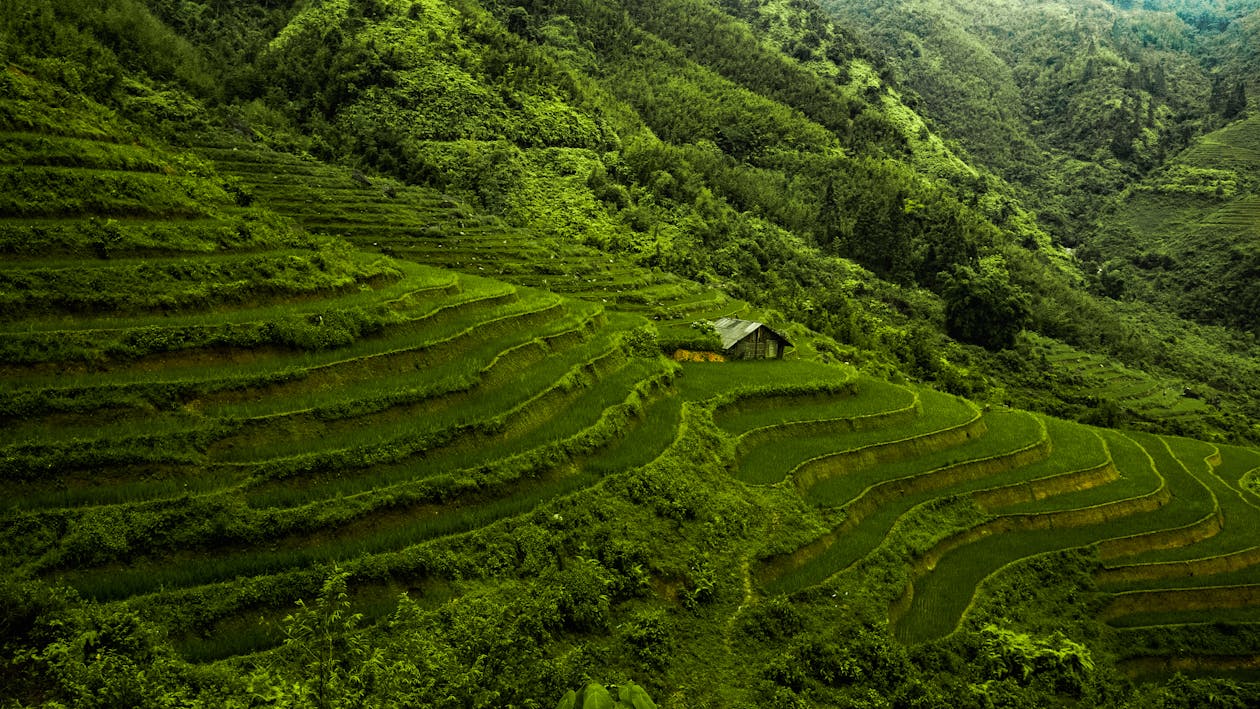
The shoulder alternatives: March–April (spring, warming from 20°C to 28°C, post-Tet crowds clearing, hotel prices 15–25% below November–December peak) and September–October (harvest season in Sapa — the rice terraces turn golden in late September, one of Vietnam's most photogenic seasonal spectacles). Both are excellent windows with manageable weather and meaningful price savings.
Sapa in September–October: the golden rice terraces
September and October are when Sapa's rice terraces — carved into the hillsides of the Hoàng Liên Son mountains — turn from summer green to gold. The harvest typically runs late September through October. Trekking conditions are excellent (temperatures 15–20°C at altitude), visibility has cleared from the summer monsoon, and the terraces at Mù Cang Chải (3 hours from Sapa) are among Vietnam's most extraordinary landscapes. Book accommodation 4–6 weeks ahead — this is known among travellers and fills up.
Halong Bay cruise timing: November–April for reliable weather and calm seas. May–October the seas can be rougher and some cruises are cancelled during July–August typhoon risk. March–April is the best shoulder season window for Halong Bay — post-Tet crowds gone, prices below November–December peak, weather generally good.
Central Vietnam: Hoi An, Hue, Da Nang, Nha Trang
Central Vietnam's weather is counter-intuitive. While most of Asia's beach destinations are best in winter, the central coast's best window is actually February through August. The northeast monsoon brings rain to the central coast from September through December — Hoi An has experienced significant flooding in October and November, with the UNESCO-listed Ancient Town inundated to first-floor level in bad years.
The shoulder windows within the central coast's good season: February–March (warming up, less crowded than July–August, best hotel prices of the dry window) and July–August (peak beach season but considered shoulder relative to the international crowd profile — domestic Vietnamese tourism peaks here while international numbers are lower than March–April). The clearest, sunniest days are March–May.
Hoi An flooding: this is a real risk in Oct–Nov
Hoi An's Ancient Town sits at river level and floods regularly in October–November. In recent years this has meant the famous Walking Street and Nguyen Thai Hoc Street knee-deep in water. The flooding is actually a visual spectacle and locals continue life around it — but it can close some accommodation and makes the town difficult to navigate. If Hoi An is your priority, book February–August.
South Vietnam: Ho Chi Minh City, Mekong Delta, Phu Quoc
The south has the simplest seasonal pattern: a dry season from November to April and a wet season from May to October. November through April is peak season — warm (28–33°C), sunny, low humidity, and excellent for the Mekong Delta boat trips and Phu Quoc beaches.
The shoulder opportunities: May–June is the transition shoulder with prices dropping 20–30% as wet season begins, but rain typically falls as afternoon thunderstorms rather than all-day downpours — mornings are generally clear. November is the autumn shoulder — the wet season has ended, prices haven't yet risen to December–January peak, and the Mekong Delta is at its lushest from the recent rains.
Best Months for a Multi-Region Vietnam Trip
March ⭐
All regionsBest overall month. North: warming spring (20–25°C). Centre: peak dry season. South: dry and comfortable. Post-Tet prices 15–25% below February. All regions accessible. The closest Vietnam gets to a universally good month.
April ⭐
All regionsExcellent. North getting warm (24–28°C). Centre: late dry season still reliable. South: hot and dry, last full month before rain begins. Easter can create short-term price spikes.
November ⭐
North + South onlyGood for north and south. North: dry season starting (19–24°C). South: dry season starting. Prices below December peak. Avoid: central coast (typhoon risk, Hoi An flooding). Route around central coast for a good shoulder month.
February
All regions (plan around Tet)Good weather but Tet disruption. The week around Feb 17 (Tet 2026): businesses close, transport packed, prices spike. Outside Tet: excellent — north cool and clear, centre dry, south ideal.
September–October
North + South (avoid central)North: rice harvest golden (Sapa). South: improving as wet season ends. Avoid: central coast typhoons. Good if your route focuses on north or south.
December–January
All regions (peak pricing)Peak season and peak prices. North: cool and clear (ideal). Centre: good. South: peak. Highest prices and Christmas/New Year crowds. Book ahead.
Tet 2026: Visit During It or Around It?
Tet (Vietnamese Lunar New Year) falls around February 17, 2026. It's Vietnam's most important holiday — the combination of Christmas, New Year, and Thanksgiving — and the country transforms for it. Temple visits, dragon dances, families reuniting, streets lit with red lanterns and kumquat trees. As a travel experience, the celebration itself is extraordinary.
The practical realities: most businesses close for 5–7 days around Tet, including many restaurants and some attractions. Domestic travel in Vietnam surges to capacity — trains from Hanoi to Ho Chi Minh City sell out weeks ahead. Hotel prices spike in major cities. Streets in Hanoi and Ho Chi Minh City can feel oddly empty as locals travel home to their home provinces.
The verdict: visit during Tet if you plan meticulously (book everything 2–3 months ahead, accept that some things will be closed) and have a specific interest in the cultural experience. Visit the week after Tet if you want good weather, cleared crowds, and returning restaurant culture without the logistical challenges.
Vietnam Month by Month
January
North: 15–20°C / South: 28–33°CPeak season. Post-New Year crowds. North dry and cool. Centre dry. South perfect beach weather. Prices at yearly high. Book ahead for Halong Bay cruises.
February
North: 17–22°C / South: 29–34°CTet around February 17 — extraordinary celebrations but logistically challenging. Week before and after Tet: excellent weather across most of Vietnam. Pre-Tet: book transport months ahead.
March ⭐
North: 20–25°C / South: 30–35°CBest overall month. Post-Tet, prices softening. North warming beautifully. Centre in peak dry season. South still excellent. All regions accessible at below-peak prices.
April ⭐
North: 24–28°C / South: 31–36°CExcellent month. North getting warm. Centre: last reliable month of dry season. South: hot and dry. Easter creates short price spikes in popular areas.
May
North: 28–32°C / South: 30–33°C (rain starting)Shoulder transition. Prices dropping south (wet season starting). North: hot and building toward monsoon. Centre: best dry season months behind it. Good value for Ho Chi Minh City.
June
North: 30–34°C (rain) / South: 28–31°C (rain)Wet season across most of Vietnam. Budget travel window — prices lowest of year. North: hot and rainy but Halong Bay still operating. South: afternoon rain, mornings often clear.
July–August
North: 30–34°C / Central: 30–35°C (dry)Summer peak for domestic tourism. North: hot and humid. Central coast: peak dry season — Hoi An beaches at their best. South: wet season. Budget international travel window for the north.
September ⭐
North: 26–32°C / South: 28–32°C (rain)North: Sapa rice harvest (golden terraces — extraordinary). Halong Bay weather improving. South: wet season but Mekong lush. Avoid central coast (typhoon risk).
October ⭐
North: 22–28°C / South: 28–32°CNorth: dry season beginning, foliage, Sapa harvest. South: wet season ending. Avoid central coast (Hoi An flooding risk). One of the best months for north + south itinerary.
November ⭐
North: 18–24°C / South: 28–32°CExcellent shoulder month for north and south. Prices below December peak. North: cool and clear. South: dry season starting, Mekong lush from recent rains. Avoid: central coast.
December
North: 15–20°C / South: 27–32°CPeak season begins. Prices rising toward Christmas-New Year spike. North: cool, clear, beautiful. South: ideal beach weather. Book ahead for Christmas week.
Frequently Asked Questions
When is shoulder season in Vietnam?
Vietnam's shoulder season depends entirely on which region you're visiting. For the north (Hanoi, Halong Bay, Sapa): March–April and September–November are the shoulder sweet spots — mild, dry, and below peak December–February prices. For the centre (Hoi An, Hue, Da Nang): February–August is the best window; September–December brings typhoon risk and flooding. For the south (Ho Chi Minh City, Mekong Delta, Phu Quoc): May–June is the transition shoulder — prices dropping, rain starting but typically brief afternoon showers only.
What is the best month to visit Vietnam?
March is the closest thing to a 'best single month' for a multi-region Vietnam trip. The north is warming up after winter (20–25°C in Hanoi), the centre is in its ideal dry window, and the south is still in dry season. Prices are 15–30% below the December–February peak, post-Tet crowds have cleared, and weather across all three regions is manageable. If you can only pick one month, pick March.
Can you visit all of Vietnam at once in any season?
No — Vietnam is 1,600km long with three distinct climate zones on different monsoon systems. There is no single month that's ideal everywhere simultaneously. The closest windows are March–April (north and south good, centre excellent) and November (south and north decent, avoid centre). Route planning by weather matters more than any other factor when visiting Vietnam.
What is Tet and should I visit during it?
Tet (Vietnamese Lunar New Year) is Vietnam's most important festival — in 2026 it falls around February 17. The celebrations are extraordinary: temples packed, streets lit with red and gold, dragon dances, family reunions. The trade-offs: many businesses close for a week, domestic travel surges massively (trains and buses book out months ahead), hotel prices spike, and popular streets can feel oddly empty as locals travel home. Worth experiencing if you plan meticulously; worth avoiding if you prefer flexibility.
Is Vietnam safe to visit during typhoon season?
Typhoons primarily affect central Vietnam (Da Nang, Hoi An, Hue) between September and November. The south (Ho Chi Minh City) and north (Hanoi) are largely unaffected by typhoons. If your itinerary focuses on central Vietnam, avoid September–November. If you're heading to Hanoi and Halong Bay, or Ho Chi Minh City and Phu Quoc, typhoon season is not a concern for your specific route.
How much cheaper is Vietnam in shoulder season?
Vietnam is already among the most affordable destinations in Southeast Asia, so the absolute savings are smaller than in Europe — but proportionally significant. Hotel rates in Hanoi and Ho Chi Minh City drop 15–30% from the December–February peak in the shoulder months of March–April. In Hoi An and beach destinations, the price difference between shoulder and peak can reach 40%. International flights are typically 20–35% cheaper outside the December–January peak.
Vietnam city guides
Vietnam is featured in:
City Guides for Vietnam
Month by month shoulder season timing for every Vietnam destination we track.