
Crowd preference
How many other tourists is too many?
Best months for atmosphere without overwhelming crowds
Buenos Aires — meaningfully fewer visitors than peak, but the destination is fully open and operating normally. Good balance of atmosphere and accessibility.
Best Time to Visit Buenos Aires 2026: Argentina's Capital Season by Season
Buenos Aires is the most European city in Latin America and one of the world's great capitals - a city of Haussmann boulevards, Art Deco apartment buildings, a tango culture that is genuinely alive rather than performed for tourists, and a restaurant scene that has become internationally celebrated. Argentina's capital operates on its own rhythm: dinner at 10pm, milongas running until dawn, and a cultural immersion that rewards visitors who surrender to the city's schedule rather than fighting it.
Buenos Aires has four distinct seasons - as Argentina's capital in the Southern Hemisphere, the calendar is reversed from Europe. The summer high season (December–February) brings heat and the holiday season crowds; the winter months (June–August) are mild (10–15°C) and the city's theatre and tango season is at its peak. The shoulder seasons of April–May and September–October offer the most pleasant temperatures and the best balance of value and experience.
Buenos Aires in April & May: Autumn Colours
April in Buenos Aires (22–25°C, comfortable weather) is when the city exhales after the summer high season. The autumn colours arrive in the plane trees and palms of Palermo's parks - the Rosedal (Rose Garden) and Parque Tres de Febrero are extraordinary in April light. Hotel occupancy drops from the January–February peak, and the packed calendar of cultural events continues unabated.
May is the harvest season for the Mendoza wine region - Argentina's wine country 1,000km to the west, accessible by a 90-minute flight or an overnight bus. The Mendoza Wine Festival (late February/early March) is the biggest celebration, but May in Mendoza has excellent winery access without the festival crowds. The Malbec and Torrontés at source prices are extraordinary value.
Buenos Aires in September & October: Jacaranda Season
September and October are when Buenos Aires makes its strongest visual case. The jacaranda trees throughout Palermo, Recoleta, and Belgrano burst into extraordinary purple bloom - avenues of lavender blossom that the city's grand Haussmann-influenced architecture frames perfectly. The jacaranda bloom coincides with warming temperatures (18–24°C in September, 20–27°C in October) and the sense of the city entering its late spring energy.
October is also the tango competition season - the Buenos Aires Tango Festival's qualifying rounds, the city's milongas filling with international dancers preparing for the August championships. Free outdoor activities abound in October: tango in the plazas, free events in the parks, and the general energy of a city entering its best season.
Spring Buenos Aires Highlights
- Jacaranda season (October–November): The purple-blooming trees throughout Palermo turn the city extraordinary - entirely free, extraordinarily photogenic.
- Independence Day (July 9): Argentina's national day with celebrations across the city - military parade on Avenida 9 de Julio.
- Boca Juniors and River Plate: The football season is at full intensity in autumn and spring - book well ahead for any match, especially the Superclásico.
- Iguazú Falls day trip (October): The falls on the Argentina-Brazil border are accessible by 2-hour flight - one of the world's great natural wonders, extraordinary in spring.
Buenos Aires in Winter: Tango & Theatre Season
The winter months of June, July, and August (10–15°C, mild temperatures by European standards) are actually Buenos Aires's cultural peak. The city's extraordinary theatre scene - over 300 independent theatres, more per capita than anywhere except London and New York - is at full programming intensity. The tango festival in August fills every milonga. Rock concerts and international cultural events pack the calendar.
Winter is also ideal for visiting Southern Patagonia and the Lake District - the ski season in Bariloche (the "Argentine Switzerland") runs July–September, and Torres del Paine in Chilean Patagonia has its shoulder season in spring (October–November). Buenos Aires as a base for winter sports and Patagonian trekking season makes the winter months strategically interesting for adventure travellers.
Tango: Finding the Real Thing
Buenos Aires tango is a living social dance culture, not a tourist performance. The milongas (tango dance halls) throughout the city operate six nights a week from 10pm until 4–5am - a genuine night-time culture that belongs to the city. The tourist tango shows (dinner shows in San Telmo and Puerto Madero) are professional and worth seeing once for the theatrical staging; the real cultural immersion is the milongas.
Salon Canning (Palermo) and La Viruta (Palermo) welcome visitors and have earlier beginner lessons before the serious dancing begins at midnight. The Sunday afternoon milonga at Plaza Dorrego in San Telmo is the most accessible introduction - free outdoor tango dancing surrounded by the antiques market, genuinely excellent, and the perfect introduction to tango culture before committing to an evening milonga.
Buenos Aires Neighbourhoods
Palermo (divided into Palermo Soho and Palermo Hollywood) is the base for most visitors - excellent restaurants, independent boutiques, and the parks of Palermo (Rosedal, the Japanese Garden, the Planetarium). The jacaranda trees here in October are the finest in the city.
San Telmo is the most atmospheric neighbourhood - cobblestone streets, Art Deco café facades, the Sunday antiques market on Plaza Dorrego (the largest in Buenos Aires), and the tango culture that runs through the neighbourhood's bars and milongas.
Recoleta has the city's grandest architecture - the famous cemetery (Evita's tomb and extraordinary mausoleums), the free Recoleta Cultural Centre, and upmarket restaurants. The cemetery is genuinely extraordinary - a city of neoclassical mausoleums housing Argentina's most important families.
Eating in Buenos Aires
Argentine beef is the best in the world - grass-fed, dry-aged, cooked on a wood-fire parrilla with a simplicity that needs nothing else. The bife de chorizo (sirloin), ordered a punto (medium-rare), with a glass of Malbec, represents one of the world's great meals at extraordinary value. Don Julio in Palermo is the most celebrated parrilla; La Cabrera is excellent; El Desnivel in San Telmo is cheaper and authentic.
Buenos Aires Food Essentials
- Empanadas: Argentina's great cheap eat - La Cocina in Palermo is the benchmark for the baked and fried versions.
- Medialunas: The Argentine croissant - buttery, slightly sweet, better than the French original according to most Porteños. With a cortado at any confitería.
- Dulce de leche ice cream: Heladería Persicco in Palermo - the best in the city. Dulce de leche is in everything and is extraordinary at source.
- Mercado de San Telmo: The 1897 covered market with excellent food stalls - good for lunch alongside the antique dealers in the surrounding stalls.
Also Consider
Pairs well with, or alternatives worth comparing:
Wondering how much you actually save in shoulder season? Our Shoulder Season Price Report analyses hotel prices across 110 destinations - flights are 37% cheaper, hotels drop 20–50%, and September is the world's most valuable travel month.
Frequently Asked Questions About Buenos Aires
- When is the best time to visit Buenos Aires? April–May and September–October - southern hemisphere autumn and spring with pleasant temperatures of 18–25°C, fewer tourists than the January summer peak, and excellent value on accommodation. October is the jacaranda season - the city's boulevards turn extraordinary purple.
- When is the Buenos Aires Tango Festival? The Buenos Aires Tango Festival typically runs in August, with the World Tango Championship drawing dancers from 50+ countries. Free outdoor milongas in plazas across the city run throughout the festival. Book accommodation weeks ahead for the festival period.
- Is Buenos Aires safe? Exercise normal urban precautions - the tourist areas of Palermo, Recoleta, San Telmo, and Puerto Madero are generally safe. Use Cabify or BA Taxi apps rather than street taxis, be aware of your surroundings after dark in unfamiliar areas, and avoid displaying expensive items.
- What is the exchange rate situation in Argentina? Argentina's exchange rate situation has historically been complex - check current rates carefully before visiting as the gap between official and parallel rates can be significant. With a favourable rate, Buenos Aires becomes extraordinary value for foreign visitors. Consult recent travel forums for current practical advice.
- What are the best day trips from Buenos Aires? Tigre and the Paraná Delta (1 hour north) for boat trips through waterways. Colonia del Sacramento in Uruguay (1-hour ferry) for a UNESCO colonial city. Mendoza wine region (90 minutes by plane) for wine tasting. The Pampas for a traditional estancia (ranch) experience.
Ready to Book?
March is one of the best times to visit Buenos Aires. Compare prices now:
We may earn a small commission on hotel bookings at no extra cost to you.
Buenos Aires Travel Guide
Where to Stay in Buenos Aires
Budget
€25–60/night
San Telmo or Congreso
Good-value guesthouses and budget hotels in characterful areas
Mid-range
€70–130/night
Palermo or Recoleta
Boutique hotels in beautiful buildings, often with terraces
Splurge
€200+/night
Puerto Madero or Recoleta
International luxury hotels with city views and exceptional Argentine beef restaurants
Which Neighbourhood to Base Yourself In
Palermo Soho/Hollywood
Trendy, foodie, bar-heavy
Best restaurants in the city, boutiques, nightlife
San Telmo
Historic, bohemian, tango
Sunday antique market, tango milongas, cobblestone streets
Recoleta
Elegant, European, cemetery
Recoleta Cemetery (Eva Perón), MALBA museum, café society
La Boca
Colourful, touristy, football
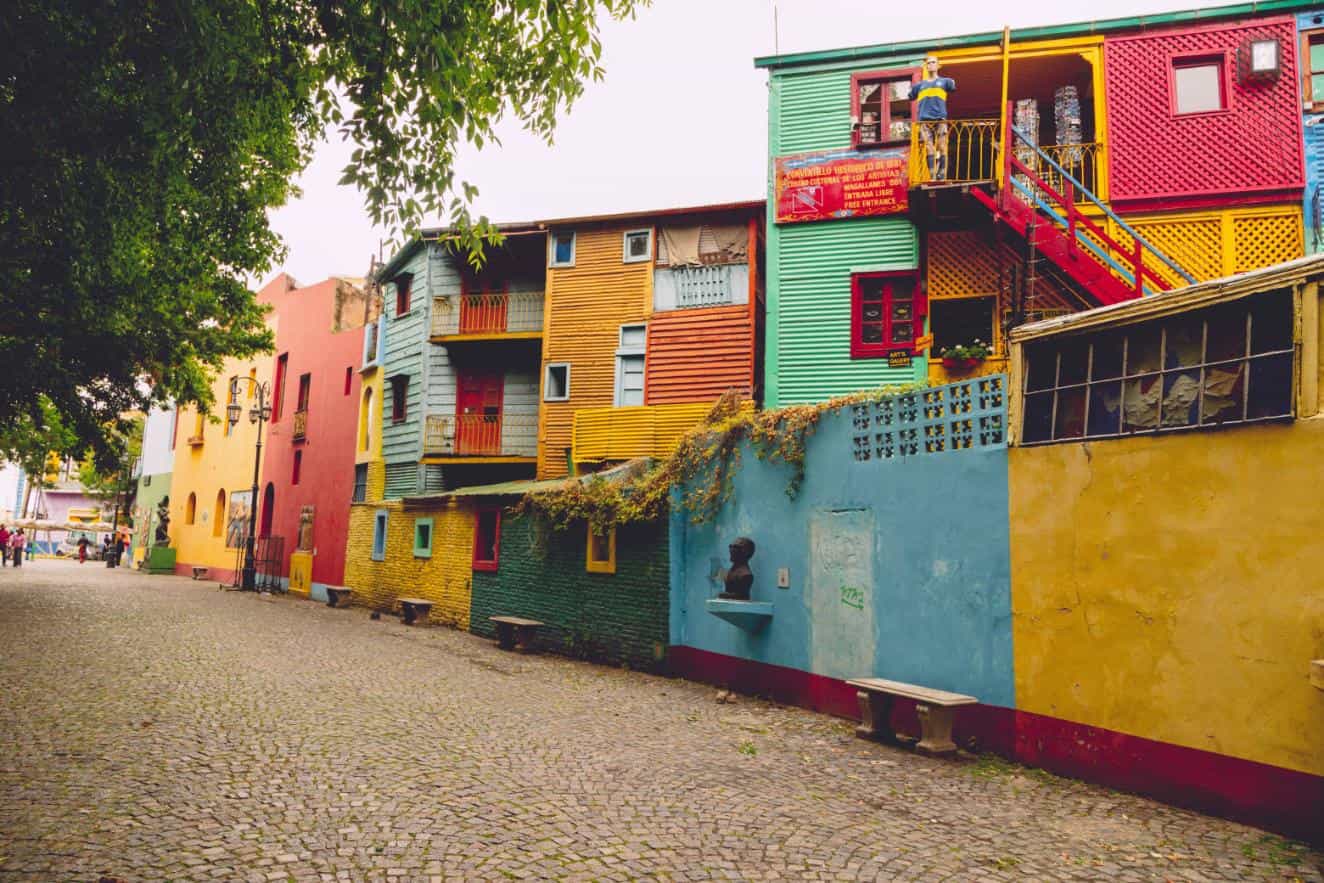
Caminito street art, Boca Juniors stadium, visit during daylight only
What to Eat in Buenos Aires
Asado
Where: Don Julio in Palermo (book ahead) or a neighbourhood parrilla
Argentine BBQ is a ritual — slow-cooked beef ribs, chorizo, and black pudding over wood coals
Empanadas
Where: El Federal in San Telmo or any corner bakery
Argentina's baked pastries — beef, onion, egg, and olive — are exceptional
Medialunas
Where: Any café con leche in the morning
Argentina's answer to the croissant — sweeter, softer, and eaten with coffee for breakfast
Dulce de leche ice cream
Where: Freddo or Persicco gelato chains
Argentina's national obsession in ice cream form. Non-negotiable
Getting Around Buenos Aires
The Subte (metro) is cheap but limited in coverage. Taxis and Uber are inexpensive — one of the cheapest major cities for cabs globally. Remises (private hire cars) are reliable for longer journeys. Walking around Palermo and San Telmo is pleasant and practical.
Day Trips from Buenos Aires
Tigre and the Paraná Delta
Half or full day
Mitre train from Retiro station, 1 hour
A river delta of islands and waterways an hour from the city — boat tours, local restaurants
Colonia del Sacramento, Uruguay
Full day
Buquebus ferry from Puerto Madero, 1 hour
A perfectly preserved Portuguese colonial town across the Río de la Plata — worth the ferry crossing
Montevideo, Uruguay
Full day or overnight
Buquebus ferry, 2h30
Uruguay's capital is one of South America's most liveable cities — excellent steak, rambla waterfront, real neighbourhood life
This destination is great for:
Buenos Aires is featured in: