
Best Nightlife Destinations in Shoulder Season
The best nights out happen when a city's nightlife operates for its own residents. Berlin's club culture in September - after the summer tourists and before the Christmas visitors - is the real Berlin. Bangkok's rooftop bars in November have the cool season energy. Buenos Aires's tango milongas in October are full of dancers, not audiences. Shoulder season nightlife is authentic in a way that peak season tourist-facing entertainment never is.
Why Shoulder Season?
Peak season nightlife has a specific problem: when a city is at maximum tourist capacity, the nightlife economy optimises for tourists rather than residents. The best clubs in Ibiza in July are for international visitors; the best clubs in Berlin in October are for Berliners. The best mezcal bars in Mexico City in March are programmed for locals. This distinction is everything.
The scene operates for residents, not tourists
Barcelona's club scene in September programmes for the city's own residents returning from August holidays. Tokyo's jazz bars in November are full of Japanese jazz enthusiasts. Buenos Aires's tango milongas in autumn are danced by people who've been dancing for thirty years. The quality of every experience rises when the audience has standards.
Prices return to local reality
Mykonos in August charges €30 for a cocktail because tourists pay it. The same calibre bar in September charges €16. Ibiza's super-clubs are priced for peak season budgets; the same island in May has the same DJs at the same venues for 40% less. Peak season nightlife prices reflect supply shortage, not experience quality.
Venues programme their best events in shoulder season
The best clubs in Berlin, London, and Tokyo programme their headline events - debut nights, anniversary parties, special bookings - for their local audience's shoulder season. Berghain's most anticipated nights are in September–October. Fabric in London programmes its strongest lineups for autumn. These events don't happen in August.
The energy is more authentic
A room full of locals on a Tuesday in October has a different energy from a room full of tourists on a Saturday in August. The conversation, the music selection, and the sense of being somewhere with its own culture rather than somewhere performing itself for visitors - this is what shoulder season nightlife delivers.
Hotel prices let you do it properly
Going out properly requires being able to sleep in the next day. When hotel prices are 30% lower in shoulder season, the budget exists for the night you actually want - the club, the restaurant before, the taxi home at 4am - without the peak season compromise of the cheaper, worse option.
Top Nightlife Destinations for Shoulder Season
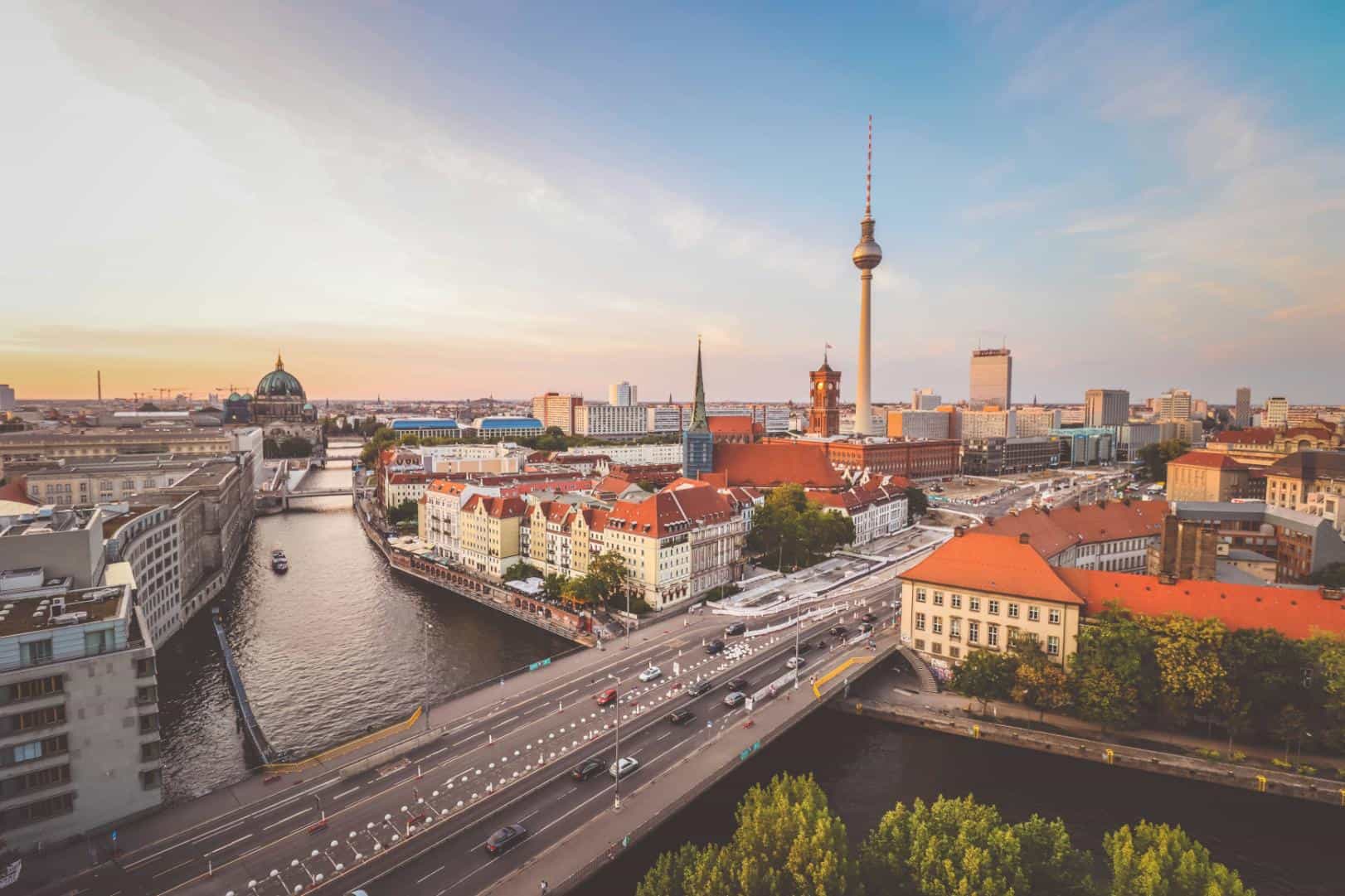
Berlin, Germany
September–November, March–MaySeptember is when Berlin's club culture is most itself - the summer tourism has ended, the local audience has returned, and Berghain, Tresor, and Watergate programme for the Berlin faithful. The techno scene here is a cultural institution; shoulder season is when it operates as one.
from €135/night
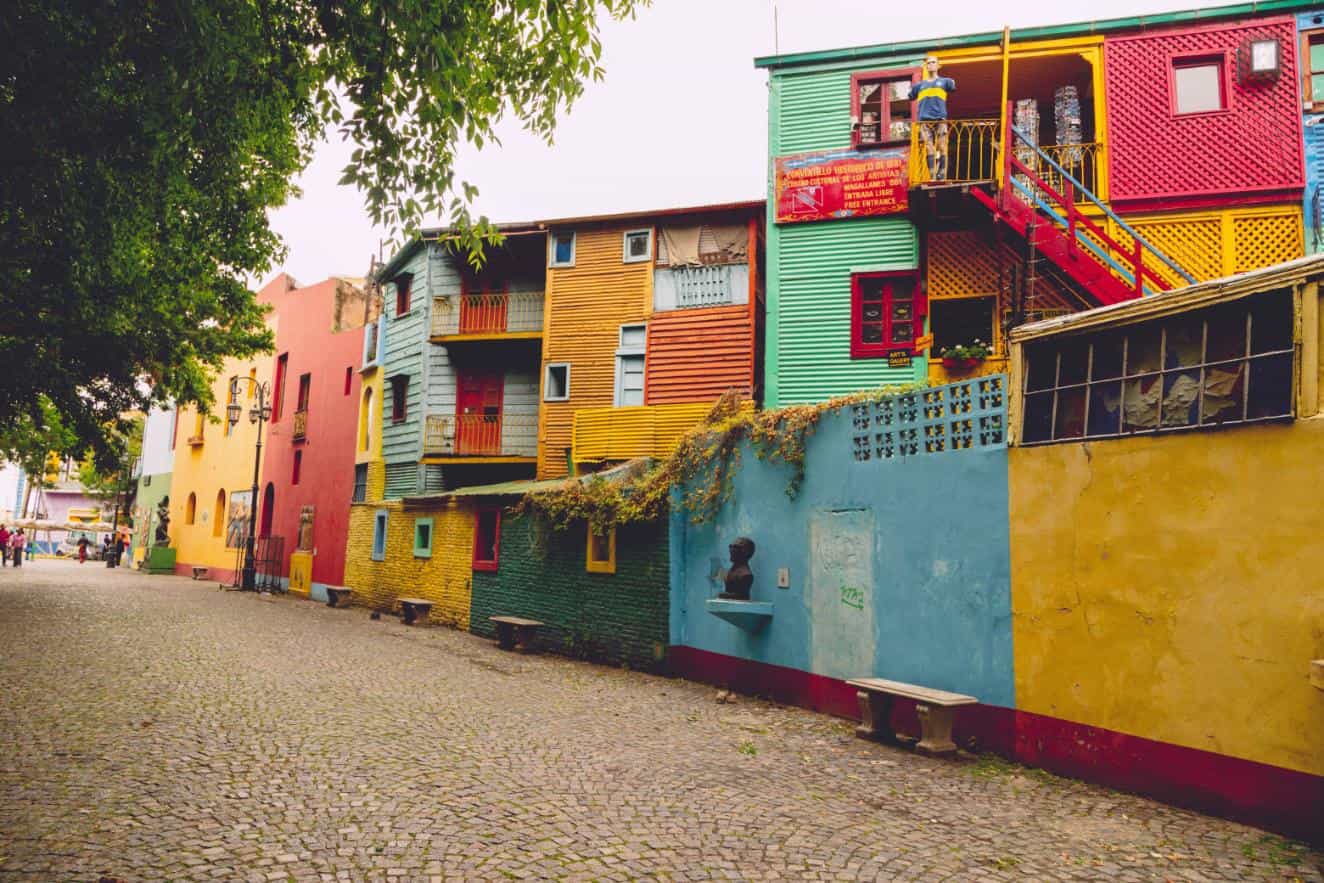
Buenos Aires, Argentina
October–November, March–AprilOctober–November is Buenos Aires's spring shoulder season - tango milongas filling with serious dancers, the city's extraordinary restaurant and cocktail bar scene at full energy, and the parrillas (steakhouses) of Palermo programming late-night culture. The city that invented staying up until 4am.
from €85/night
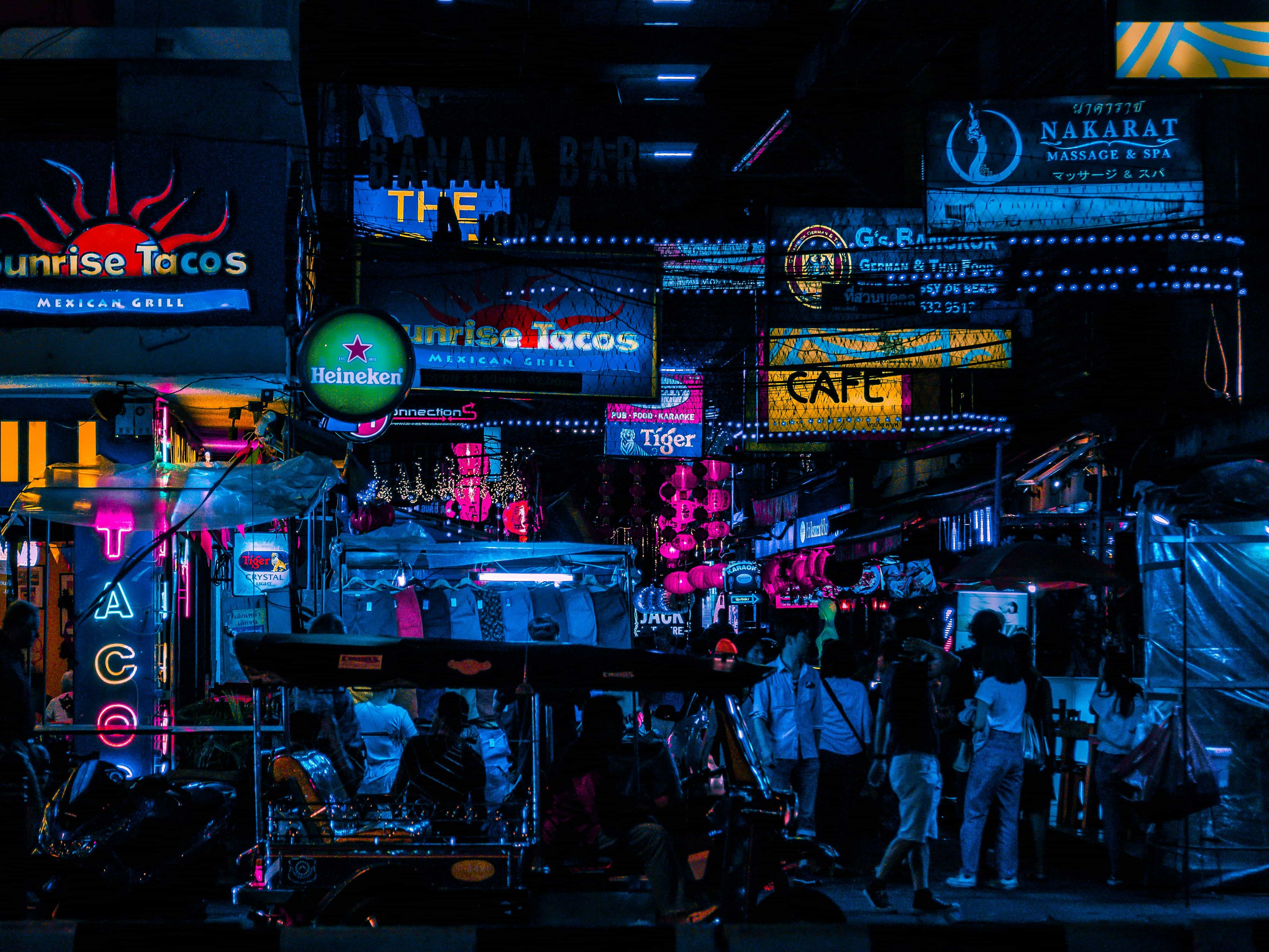
Bangkok, Thailand
November–FebruaryNovember–February is Bangkok's cool season - rooftop bars with 28°C evenings rather than 36°C, sky bars above the Chao Phraya River with no heat haze, and the city's extraordinary late-night street food and cocktail bar scene operating at full capacity.
from €75/night

Ibiza, Spain
May–June, September–OctoberMay and September are Ibiza's shoulder season: the super-clubs are open (season runs May–October), the world's best DJs are still playing, and prices are 30–50% below July–August peak. The beaches have space. May specifically has an opening night season energy; September has the farewell season intensity.
from €160/night
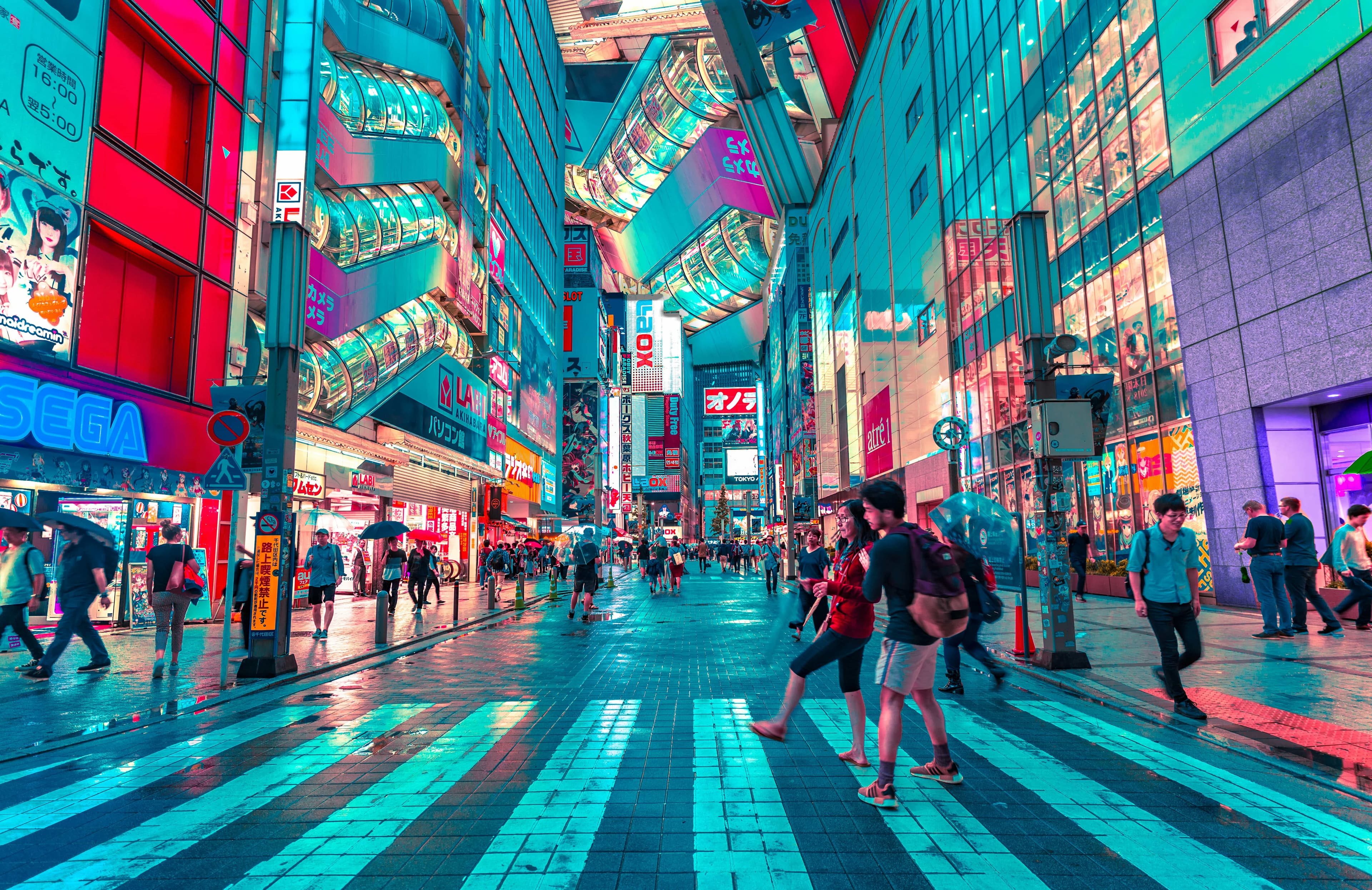
Tokyo, Japan
October–November, MayOctober and November in Tokyo: the jazz bars and whisky bars of Golden Gai are full of locals, the electronic music scene at Womb and Contact is programming for Japanese music enthusiasts, and the cocktail bar culture - some of the world's finest - is operating for a clientele that takes it seriously.
from €115/night
Medellín, Colombia
February–March, September–OctoberFebruary–March and September–October are Medellín's shoulder seasons - salsa clubs and reggaeton venues in El Poblado and Laureles are programming for paisas (locals), the nightlife starts at midnight as it should, and the city's extraordinary transformation from its difficult past into one of Latin America's most energetic cultural capitals is most visible in the non-tourist months.
All Nightlife Destinations
20 destinations - sorted by price

Goa
India
€70/night

Medellín
Colombia
€75/night
Buenos Aires
Argentina
€85/night

Port of Spain
Trinidad & Tobago
€90/night

Seoul
South Korea
€95/night
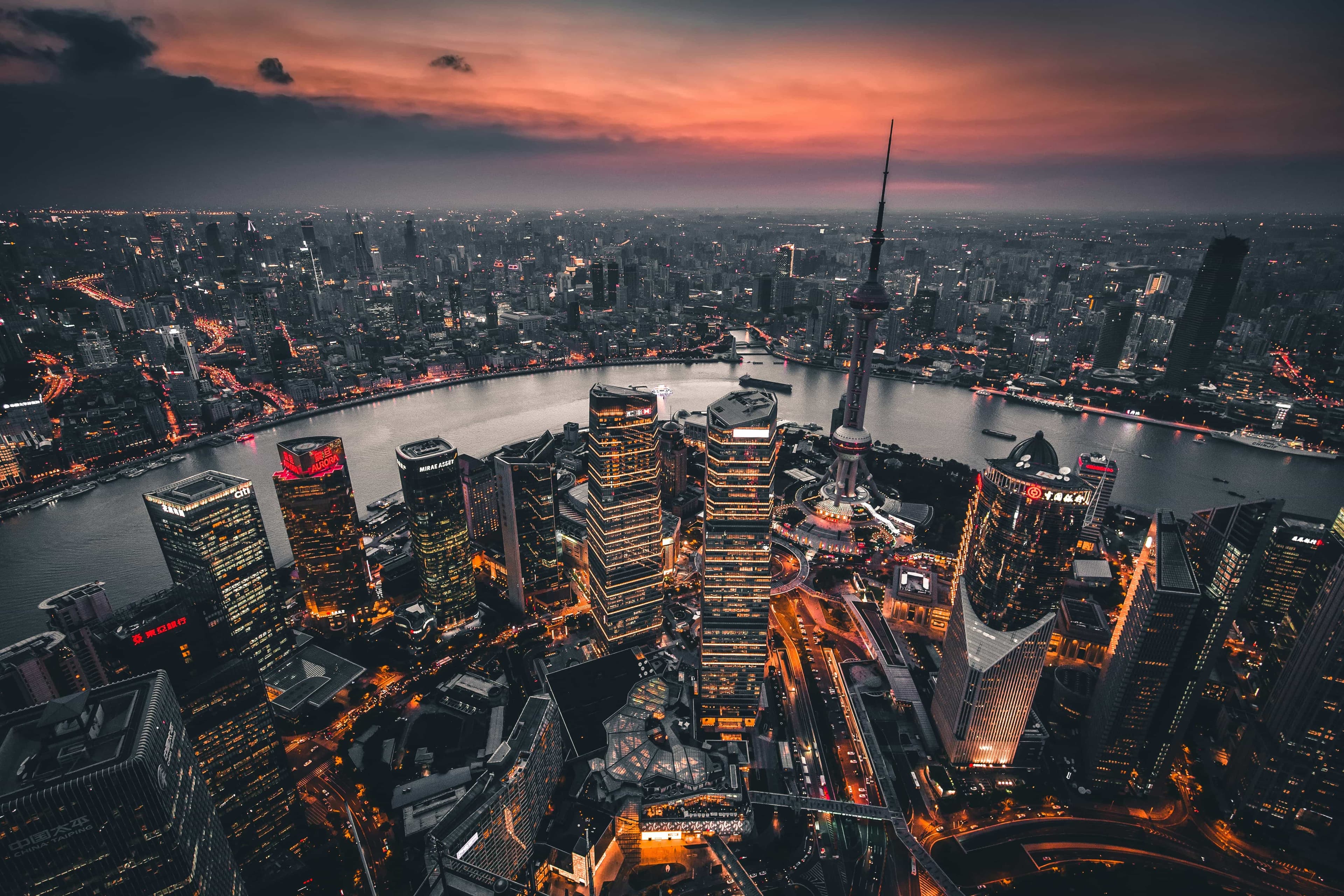
Shanghai
China
€109/night
Tokyo
Japan
€115/night

Montréal
Canada
€130/night
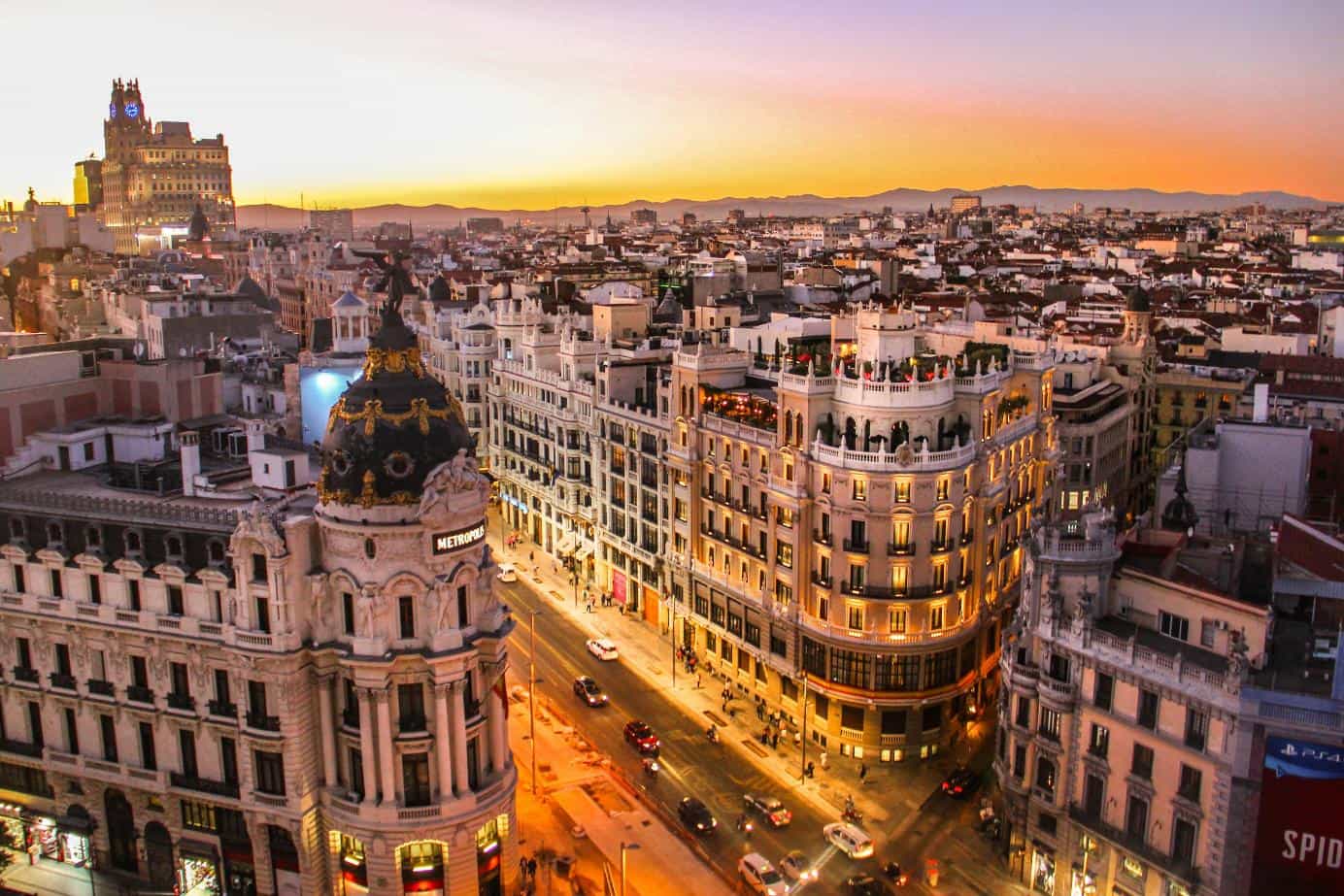
Madrid
Spain
€135/night
Berlin
Germany
€135/night
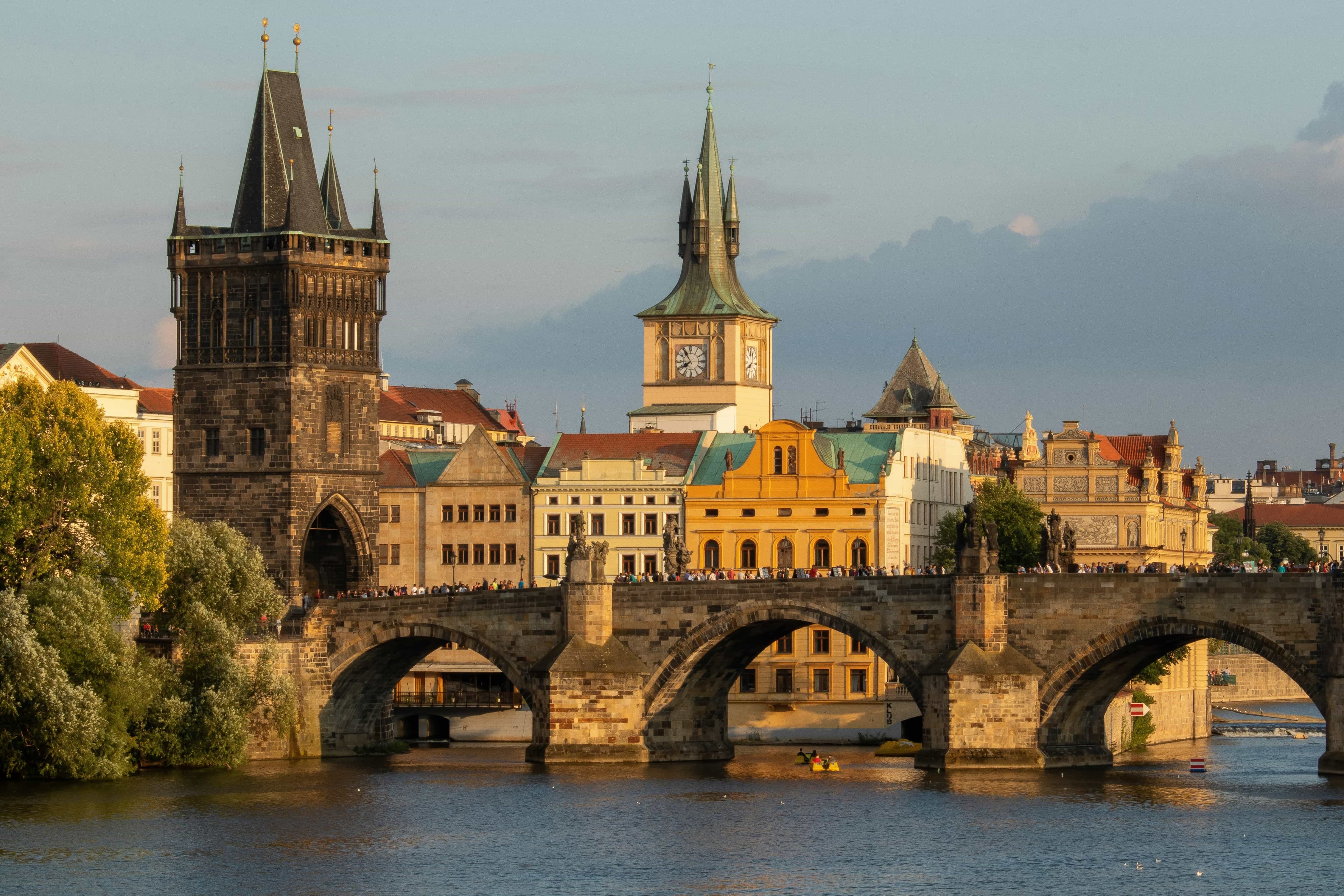
Prague
Czech Republic
€135/night

Nashville
USA
€140/night

Cancún
Mexico
€140/night

New Orleans
USA
€145/night

Rio de Janeiro
Brazil
€150/night
Barcelona
Spain
€160/night
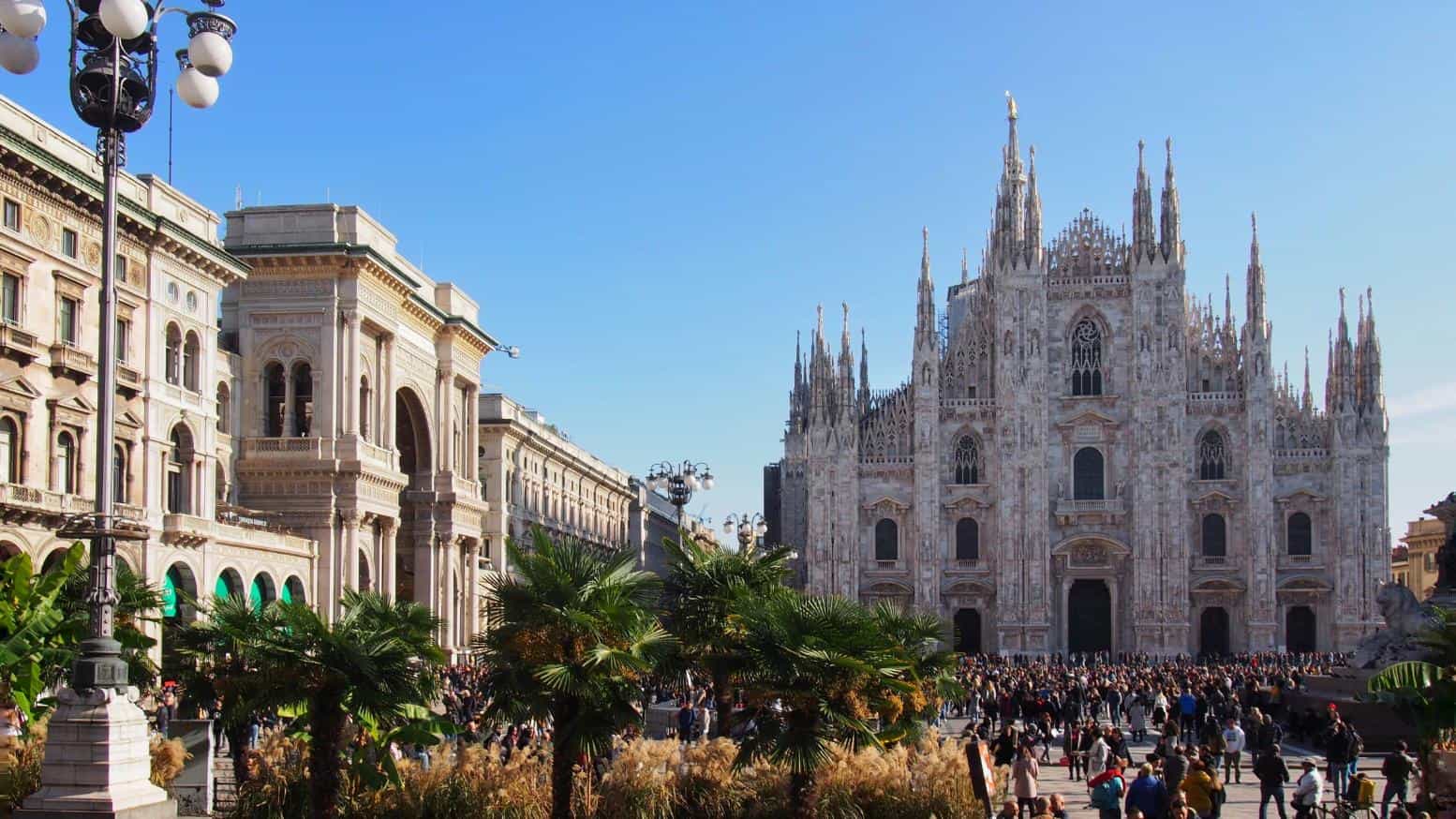
Milan
Italy
€175/night
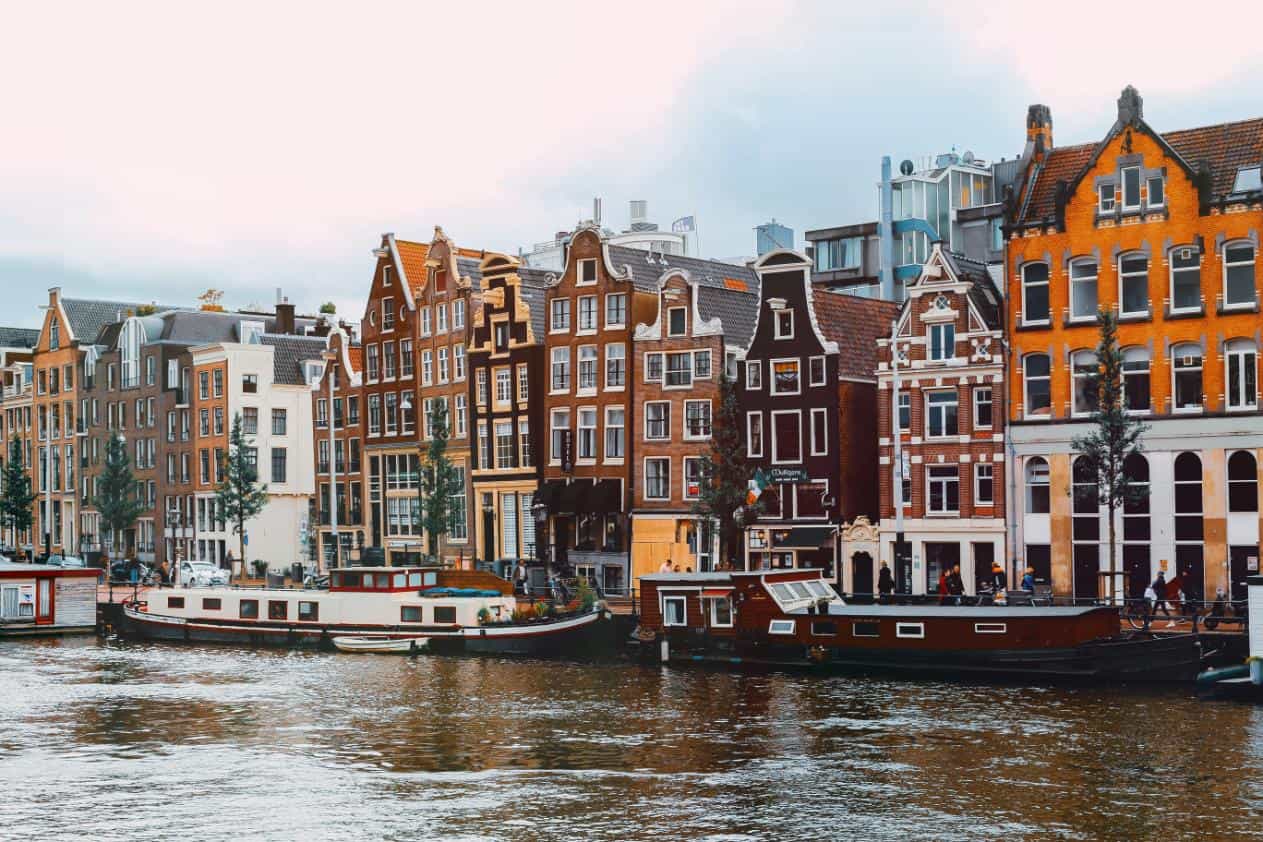
Amsterdam
Netherlands
€185/night
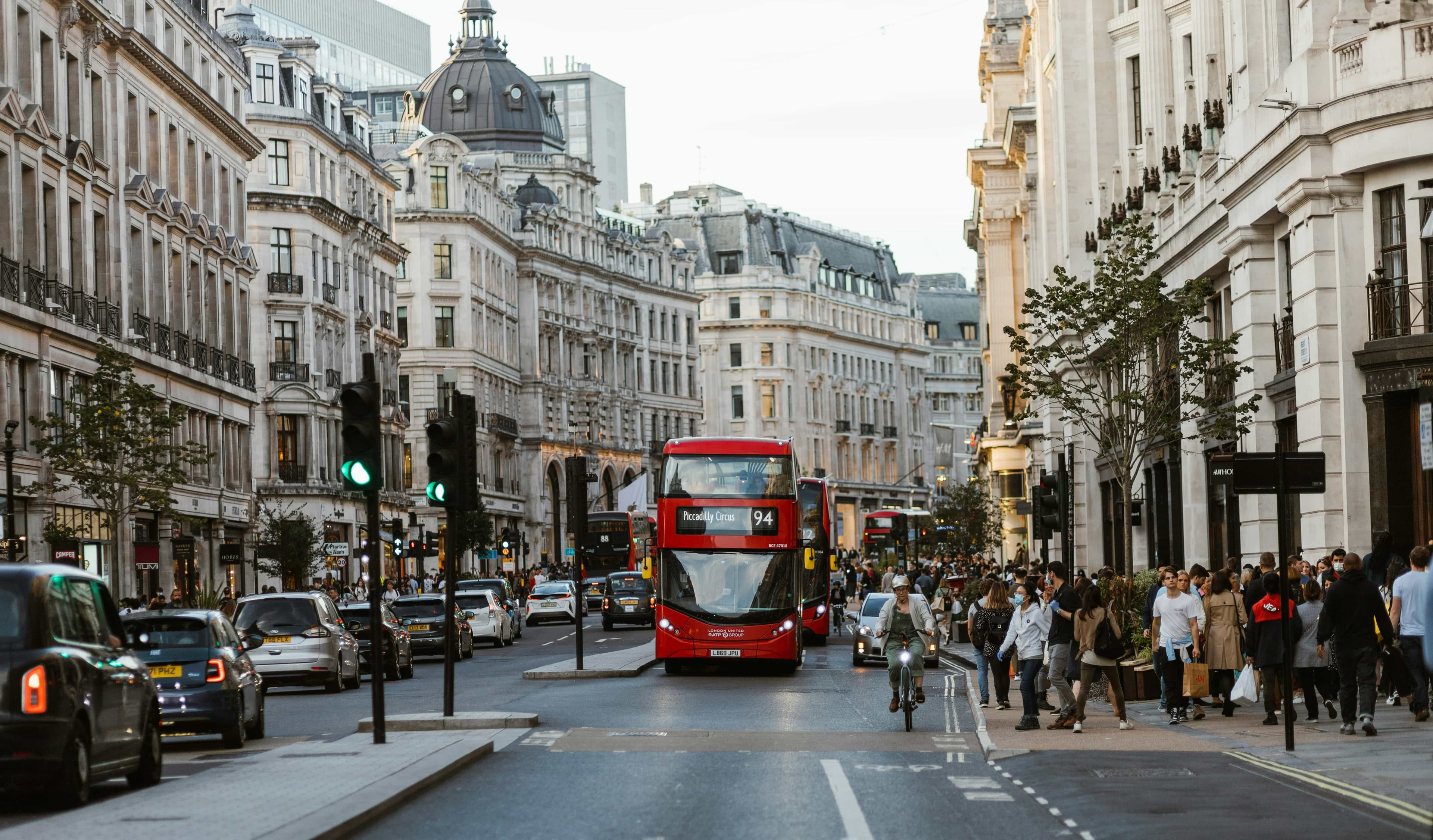
London
United Kingdom
€190/night

New York City
USA
€190/night
Planning Tips for Nightlife Travel in Shoulder Season
Research the specific scene before travelling, not after arriving
Nightlife destinations require research. The best Berlin clubs run guest lists; the best Tokyo bars require reservations; the best Buenos Aires milongas have specific nights for different experience levels. Know before you go.
Arrive later than you think
Every great nightlife city has its own timing logic. Buenos Aires milongas start filling at midnight. Bangkok rooftop bars are best from 9pm. Berlin's best clubs open at midnight and get serious at 3am. Shoulder season or not, respect the city's own schedule.
Stay in the neighbourhood, not the tourist district
The best nightlife in Berlin is in Friedrichshain and Kreuzberg, not Mitte. In Tokyo: Shimokitazawa and Nakameguro, not Shinjuku's tourist bars. In Buenos Aires: Palermo and San Telmo, not the central hotel district. Proximity to the real scene matters.
Shoulder season means smarter last-minute decisions
Peak season nightlife requires advance planning - guest lists, reservations, early queuing. Shoulder season gives you real-time flexibility: you can decide at 11pm where you're going based on what the city feels like tonight, rather than having committed three weeks ago.
The best nightlife is a function of who's in the room. Peak season puts tourists in the room. Shoulder season puts residents there - people with opinions about the music, standards for the drinks, and the intention of staying until the venue closes. Berlin in October, Buenos Aires in November, Bangkok in December - these are the cities operating for themselves. The best nights out happen then.
Frequently Asked Questions
When is the best time to visit Berlin for nightlife?
September–November and March–May are when Berlin's club culture is most itself. The city's famous techno scene - Berghain, Tresor, Watergate, Sisyphos - is programmed for the local audience when tourists aren't the primary demographic. Berghain's door policy is unchanged year-round; the inside is better in October.
When is Ibiza worth visiting in shoulder season?
May (opening season: club nights launching their annual programmes, DJs doing first appearances of the season) and September (closing parties: the most emotional, most intense nights of the year as the season ends). Both months have prices 30–50% below July–August peak with the same world-class DJ lineups.
Is Bangkok nightlife good in shoulder season?
Yes - November to February (cool season) is Bangkok's best nightlife window. The rooftop bars are genuinely comfortable at 28°C evening temperatures. The Sukhumvit and Silom entertainment districts operate at full energy. The contrast with June–September (hot and humid, 35°C evenings) is substantial.
Is Buenos Aires good for nightlife in shoulder season?
Buenos Aires is best in spring (October–November) and early autumn (March–April) - temperatures of 18–24°C are ideal for the city's late-night outdoor bar culture. The tango milongas and salsa clubs operate year-round; spring and autumn have the best combination of comfortable temperatures and pre- or post-holiday local energy.
What makes shoulder season nightlife better than peak season?
Three things: the audience (locals rather than tourists), the programming (events for residents rather than visitors), and the economics (prices that reflect the actual cost of the experience rather than demand scarcity). A night out in Berlin in October, Tokyo in November, or Buenos Aires in March is experienced by people who live there - which is the highest possible standard of judgement.
Are music festivals better in shoulder season?
Many of the world's best music festivals are specifically shoulder season events: Primavera Sound in Barcelona (May/June), Glastonbury (late June), Berlin's CTM Festival (January), Sonar (Barcelona, June), Coachella (April). These events are in shoulder season by design - the organising cities have more capacity, the weather is manageable, and the audience is travelling for the music specifically.
How much cheaper is shoulder season - really?
Our Shoulder Season Price Report analyses hotel prices across 110 destinations. Flights are 37% cheaper, hotels drop 20–50%, and September is the world's most valuable travel month.
Browse Other Trip Types
Find Your Perfect Timing
Filter all destinations by month, temperature, region, and budget.
Use the Destination Finder →