
Crowd preference
How many other tourists is too many?
Best months for atmosphere without overwhelming crowds
Edinburgh — meaningfully fewer visitors than peak, but the destination is fully open and operating normally. Good balance of atmosphere and accessibility.
Best Time to Visit Edinburgh 2026: Scotland's Capital Season by Season
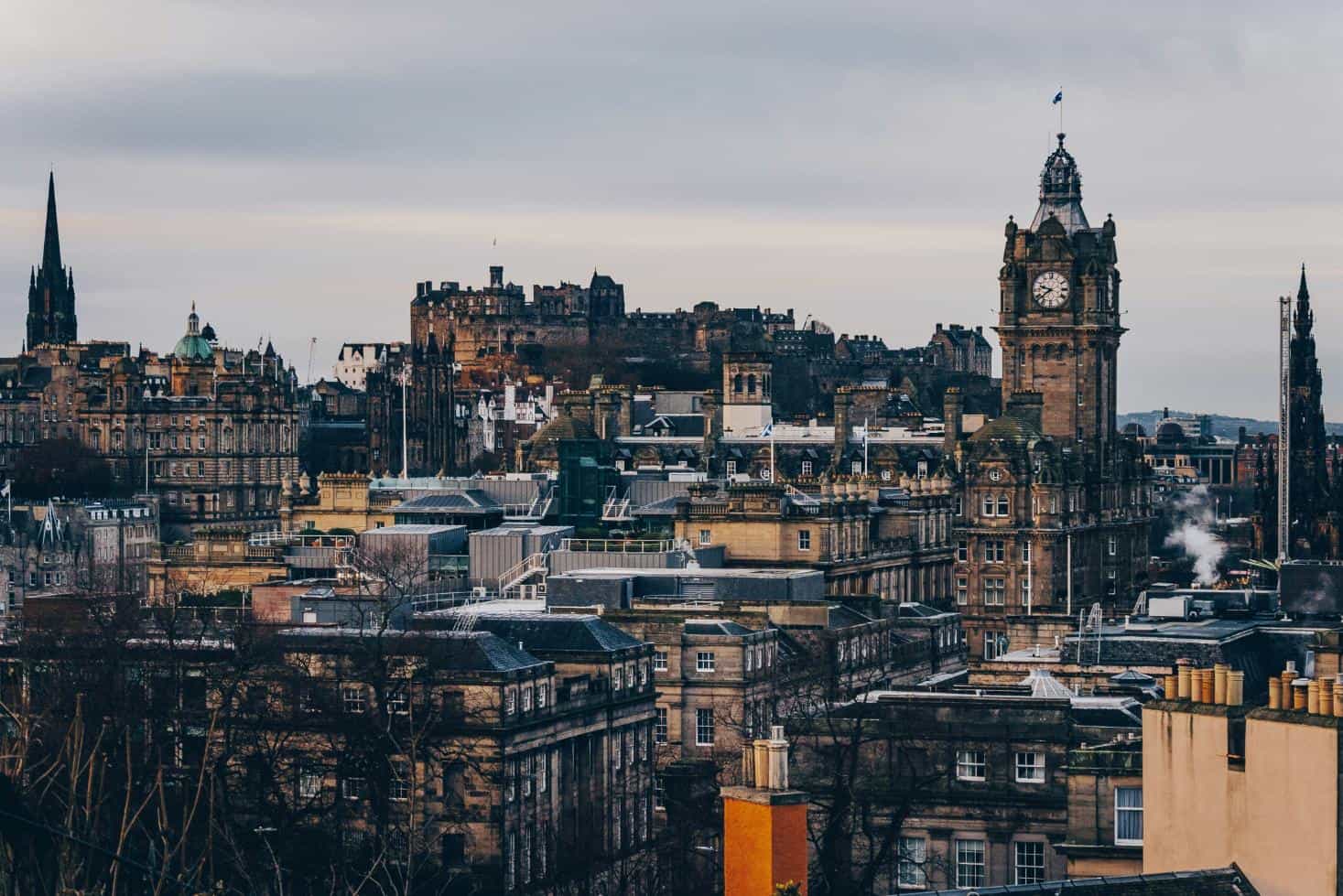
Edinburgh is one of Europe's most dramatically beautiful capitals - a medieval Old Town of closes and wynds on a volcanic ridge, a Georgian New Town of extraordinary elegance, and an ancient volcano (Arthur's Seat) rising from the middle of Scotland's capital. Edinburgh Castle on its basalt rock above Princes Street Gardens, the Royal Mile running down to Holyrood Palace, Calton Hill with its Athenian monuments - the city's setting is incomparable. It also hosts the world's largest arts festival every August, which is both its greatest seasonal asset and an excellent reason to understand what you're getting into when you book.
The Edinburgh International Festival and Fringe Festival in August bring the greatest concentration of performing arts in the world to a city of 500,000. They also bring 400,000+ visitors, hotel prices that triple, and a Royal Mile that becomes impassable. May and September offer Edinburgh without that pressure - the same Edinburgh Castle, the same Old Town closes, the same extraordinary National Museum of Scotland and Scottish National Gallery, at a fraction of the August cost.
Edinburgh in May: Long Evenings & the City at Its Best
May is Edinburgh's finest month for most visitors. The city has light until 10:30pm by late May - the latitude (55.9°N) gives Scottish summers extraordinary day length that transforms the experience of the city. The Royal Botanic Garden, one of the finest in the world, has its rhododendron and azalea displays in full bloom. Arthur's Seat - the ancient volcano rising from Holyrood Park at the end of the Royal Mile - has spring wildflowers and the best walking conditions of the year.
Edinburgh in May has fewer tourists than any summer month while still having all the city's attractions fully operational. The Fringe Festival's temporary venues haven't arrived yet - the Princes Street Gardens are actual gardens, not a festival site. Dean Village, the extraordinary preserved mill village in the Water of Leith valley 10 minutes from Princes Street, has its spring character without summer visitors.
May Edinburgh Highlights
- Royal Botanic Garden in bloom: The rhododendron and azalea collections peak in May - 70 acres of extraordinary planting, free entry.
- Beltane Fire Festival (April 30, Calton Hill): Ancient Celtic fire festival on the hill with the Parthenon replica - extraordinary spectacle, ticketed.
- Arthur's Seat spring wildflowers: The ancient volcano above the city has gorse and wildflowers in May - 45-minute climb, breathtaking views over Scotland's capital.
- Edinburgh International Children's Festival (May): The largest children's performing arts festival in the UK, running alongside the Edinburgh Festival season.
Edinburgh in August: The Fringe
August is the Edinburgh International Festival, the Fringe Festival (the world's largest arts festival - 3,000+ shows across 300+ venues), the Book Festival in Charlotte Square, the Military Tattoo at Edinburgh Castle, and the Art Festival - all simultaneously. The city doubles its population for three weeks. The Royal Mile becomes the world's largest outdoor performance space, with street performers competing for attention every few metres.
It's extraordinary if this is what you're coming for. Book accommodation 6–12 months ahead. Expect prices three to four times their normal level. Carry cash - the temporary venues often don't take cards. And understand that the city running alongside the festival - the pubs, the restaurants, the museums - is still there, still functioning, but surrounded by a temporary city of tents and scaffolding.
Edinburgh in September: The City Exhales
The Fringe ends in the last week of August. Within days, the scaffolding comes down, the temporary venues dismantle, and Edinburgh returns to its actual population of 500,000. Hotel prices drop 40–60% immediately. The Royal Mile is walkable again. The cosy pubs of the Old Town - the real ones, not the ones turned into temporary festival bars - have their regulars back.
What September offers is genuinely excellent: the Scottish Storytelling Festival, the Doors Open Days (free access to hundreds of normally closed historic buildings), and the Edinburgh Jazz and Blues Festival. Temperatures of 15–18°C are ideal for the Holyrood Park walks and the Dean Village circuit. The autumn light on the Old Town's honey-coloured sandstone is extraordinary - golden and low in a way that makes the architecture look like it's lit from within.
Edinburgh in Winter: Christmas Markets & Hogmanay
Edinburgh's Christmas market and winter festival (mid-November to early January) is one of the UK's finest - the big wheel visible from Princes Street, ice skating rinks in Princes Street Gardens with the Castle as backdrop, Christmas lights along the Royal Mile, and the festive cheer of a city that takes the holiday season seriously.
The Hogmanay New Year's Eve celebration is world-famous - the Street Party along Princes Street, the Torchlight Procession from the Old Town to Calton Hill on December 30th, and the firework displays from Edinburgh Castle at midnight. One of the world's great New Year's Eve events, genuinely spectacular, and worth the premium accommodation prices if this is your purpose. Book accommodation for Hogmanay 6–9 months ahead.
Burns Night on January 25th celebrates Robert Burns - Scotland's national poet - with suppers of haggis, neeps, and tatties in many of Edinburgh's restaurants and venues. A distinctly Scottish cultural experience in the depths of the low season, with excellent travel deals on accommodation in late January.
Edinburgh Castle & the Royal Mile
Edinburgh Castle on Castle Rock is Scotland's most visited attraction - the Crown Jewels of Scotland (older than the English Crown Jewels), the Stone of Destiny, the Great Hall, and extraordinary views over Princes Street Gardens and the New Town. Go at opening (9:30am) and pre-book online to skip the ticket queue. Allow 2–3 hours for the full complex.
The Royal Mile - the kilometre of medieval and Georgian streetscape from the Castle to Holyrood Palace - is Edinburgh's main tourist artery. The main street is tourist-facing; the closes (narrow alleyways running off both sides) reveal a different city. Riddle's Court, Brodie's Close, and White Horse Close are among the most atmospheric - medieval courtyards entirely removed from the tourist flow on the main street 10 metres away. The closes are free, unlocked, and almost entirely undiscovered by visitors who stay on the Mile.
Holyrood Palace at the opposite end of the Royal Mile is the Scottish residence of the monarch - the State Apartments, the ruined Holyrood Abbey, and the extraordinary Mary Queen of Scots associations make it a genuine historical site rather than a tourist attraction. The adjacent Scottish Parliament building (Norman build's controversial 2004 design) offers free guided tours.
Edinburgh's Free Museums
Edinburgh's major cultural institutions are free - a significant advantage over many European capitals. The National Museum of Scotland on Chambers Street is one of the UK's finest museums - Scotland's history and culture from geological time to the present day, with the extraordinary Lewis Chessmen and Dolly the sheep. The Scottish National Gallery on the Mound has the finest collection of Scottish and European art outside London - Raeburn, Ramsay, and the world's greatest collection of Poussin, all free.
The Scottish National Portrait Gallery on Queen Street is extraordinary - a Victorian Gothic palace housing portraits of everyone from Mary Queen of Scots to Sean Connery, free entry, almost always uncrowded. The National Museum of Modern Art (Modern One and Modern Two) in the West End has excellent permanent collections and a sculpture park that's extraordinary in May and September.
Eating & Drinking in Edinburgh
Edinburgh's food scene has transformed - Leith, the city's port neighbourhood, has become one of the UK's finest restaurant districts, with the Michelin-starred Restaurant Martin Wishart and dozens of excellent independent restaurants along The Shore canal. The Stockbridge Farmer's Market (Sunday mornings) has exceptional Scottish produce.
Edinburgh Food & Drink Essentials
- Haggis, neeps and tatties: The Sheep Heid Inn in Duddingston village (Edinburgh's oldest pub, 1360) does an excellent traditional version - worth the 20-minute walk from the city centre.
- Whisky: Cadenhead's on Canongate for serious purchasing - independent bottlers with extraordinary range. The Scotch Whisky Experience on the Royal Mile for context and introduction.
- Cosy pubs: The Cafe Royal Circle Bar (Victorian tiles and stained glass), The Oxford Bar (Inspector Rebus's local), and Sandy Bell's (live Scottish traditional music most evenings) are Edinburgh institutions.
- Valvona & Crolla (Elm Row): Edinburgh's greatest Italian deli, opened 1934 - extraordinary cheese, charcuterie, and wine selection. The café attached serves excellent Italian breakfasts.
Also Consider
Pairs well with, or alternatives worth comparing:
Wondering how much you actually save in shoulder season? Our Shoulder Season Price Report analyses hotel prices across 110 destinations - flights are 37% cheaper, hotels drop 20–50%, and September is the world's most valuable travel month.
Frequently Asked Questions About Edinburgh
- When is the best time to visit Edinburgh? May and September are the shoulder season sweet spots - long evenings in May (light until 10:30pm), fewer crowds than the August Fringe Festival, and accommodation at a fraction of Festival prices. September sees the city return to itself after the world's largest arts festival departs.
- Is the Edinburgh International Festival and Fringe worth visiting for? The Fringe (August) is the world's largest arts festival - extraordinary range of theatre, comedy, and performance, but the city is overwhelmed. Hotel prices triple, the Royal Mile is shoulder-to-shoulder, and Princes Street Gardens fill with temporary venues. Extraordinary if that's your goal; expensive and crowded if you just want to visit Edinburgh.
- What are the Edinburgh Hogmanay celebrations like? Scotland's capital's New Year's Eve celebrations are world-famous - the Street Party on Princes Street, the Torchlight Procession, and the Loony Dook on New Year's Day. One of the world's great New Year's Eve events, but book accommodation months ahead and expect premium prices.
- When are the Edinburgh Christmas markets? The Edinburgh Christmas market runs from mid-November through early January, concentrated in Princes Street Gardens with the Edinburgh Castle as backdrop. One of the UK's finest Christmas markets - festive cheer, ice skating rinks, and the city illuminated with Christmas lights.
- What is Burns Night? Burns Night (January 25th) celebrates Scotland's national poet Robert Burns with traditional suppers of haggis, neeps and tatties, the Address to the Haggis, and whisky toasts. Many Edinburgh restaurants and venues host Burns Night suppers - a genuinely atmospheric Scottish cultural event in the low season.
Ready to Book?
May is one of the best times to visit Edinburgh. Compare prices now:
We may earn a small commission on hotel bookings at no extra cost to you.
This destination is great for:
Edinburgh is featured in: