
Crowd preference
How many other tourists is too many?
Best months for atmosphere without overwhelming crowds
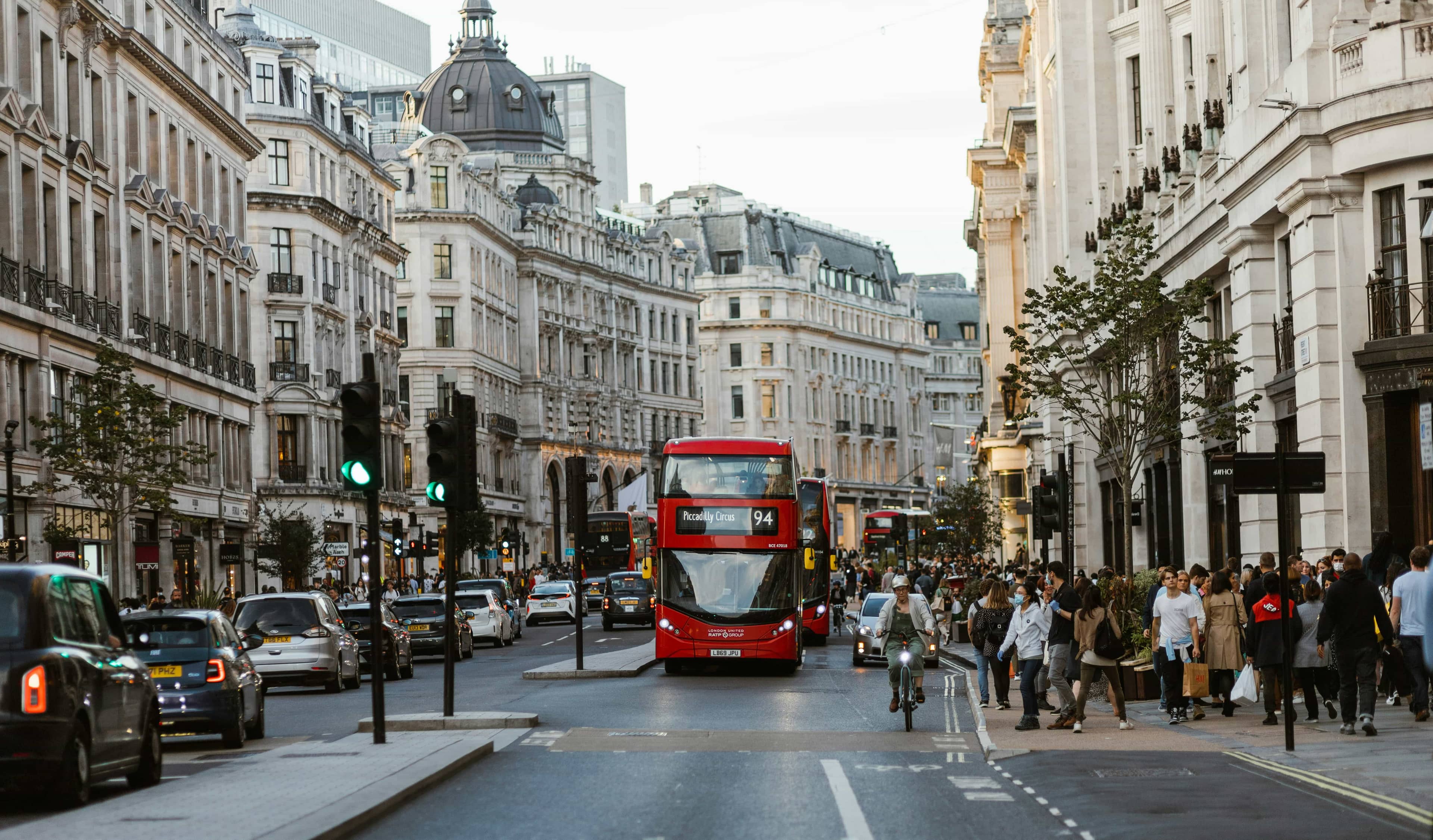
London — meaningfully fewer visitors than peak, but the destination is fully open and operating normally. Good balance of atmosphere and accessibility.
Best Time to Visit London 2026: The Complete Season Guide
London rewards shoulder-season visitors more generously than almost any other major city. The reason is structural: most of London's greatest cultural institutions - the British Museum, the National Gallery, the Tate Modern, the Natural History Museum - are free. Always. The city's royal parks (Hyde Park, Regent's Park, St James's Park), the Thames South Bank walk, the markets, the extraordinary diversity of food - the core London experience doesn't require spending. Only the crowds and hotel prices change with the season.
The peak season of July–August is driven by school holidays - two bank holidays worth of family travel and international summer tourism push hotel prices to their annual maximum and fill the tourist-facing areas of central London with summer crowds. May and September offer the same free museums, the same royal parks, and the same extraordinary cultural life at hotel prices 25–35% lower.
London in Spring: May & Early June
May is London's finest shoulder month. Light until 9:30pm by late May, the city's parks in full spring bloom, and the entire cultural season operating at full intensity. The Chelsea Flower Show (third week of May) is the world's greatest flower show - the exhibits transform the Royal Hospital Chelsea grounds and produce extraordinary floral displays across the city. Kew Gardens in May for the wisteria and azalea displays is one of London's great annual events.
Two bank holidays fall in May (Early May Bank Holiday and Spring Bank Holiday) - these bring crowds to the parks and some hotel price spikes on the actual bank holiday weekends, but the surrounding weeks are excellent value. The London Marathon (April) signals the beginning of the spring outdoor season and is extraordinary as a spectator sport.
Spring London Events
- Chelsea Flower Show (May): The world's greatest flower show - plan the entire London trip around this if gardens interest you.
- Kew Gardens wisteria & azaleas (May): One of London's great annual spectacles - extraordinary even at full entry price.
- London Marathon (April): Spectacular course through the city - extraordinary atmosphere as a spectator along the South Bank.
- Columbia Road Flower Market (every Sunday): East London's extraordinary Sunday market - arrive before 10am for the fullest stalls.
Summer in London: June–August
London summer (21–24°C in July) is genuinely excellent when it works - the outdoor concert culture, BST Hyde Park in July, the rooftop bars of Southbank and Peckham, and the extraordinary energy of a warm city. The festival season launches: the Totally Thames festival in September follows summer with river events along the Thames.
The Notting Hill Carnival on the August Bank Holiday weekend (last weekend of August) is Europe's largest street festival - two million visitors over two days celebrating Caribbean culture in west London. Extraordinary to experience; accommodation must be booked very far ahead, and the city is genuinely overwhelmed on the Monday.
School holidays (late July through August) drive the summer crowds that push hotel prices to their peak. The tourist-facing areas of Oxford Street and Covent Garden are most affected. The free museums remain manageable even in peak season - the Natural History Museum's blue whale and the British Museum's Egyptian collection are extraordinary regardless of month.
London in September: After the Summer
September is when London exhales. The school holiday families have returned to their routines, the tourist crowds thin noticeably, and the cultural season launches with new exhibitions at major galleries, the beginning of the opera and ballet seasons at the Royal Opera House and ENO, and the theatre programmers releasing their best work. The Proms conclude at the Royal Albert Hall with the extraordinary Last Night.
The weather in September averages 19°C - warm enough for outdoor dining and walking, comfortable for everything. The Totally Thames festival runs throughout September with events along the river. The Open House London weekend (third weekend of September) gives free access to hundreds of normally closed historic buildings, private houses, and architectural gems - one of the best free weekends in the city's calendar.
London in Winter: Christmas Lights & Cheapest Prices
The Christmas period (mid-November through early January) sees London at its most decorated - the Christmas lights on Oxford Street and Regent Street are extraordinary, the Hyde Park Winter Wonderland (late November through early January) has ice skating rinks and festive markets, and the city has a specific festive charm. Hotels are expensive through Christmas but drop significantly in early January.
Bonfire Night (Guy Fawkes Night, November 5th) sees firework displays in parks across London - the Primrose Hill and Alexandra Palace displays are the most accessible. January brings the cheapest time to visit London - after the holiday season, hotel prices reach their annual minimum and the free museums are at their least crowded.
London's Free Cultural Institutions
London's permanent free museum collections are collectively the world's greatest. The British Museum's permanent collection covers 2 million years of human history - the Rosetta Stone, the Elgin Marbles, the Egyptian mummies. The National Gallery has Vermeer, Van Eyck, Caravaggio, Turner, and Constable. The Tate Modern is the best contemporary art museum in Europe. The Natural History Museum has the Darwin Centre and the blue whale skeleton. All free, all extraordinary.
Paul's Cathedral and Westminster Abbey charge for entry; Buckingham Palace is seasonal and ticketed; the changing of the guard at Buckingham Palace is free. The South Bank walk from Tower Bridge to the Tate Modern is one of the world's great free urban experiences - best in the early evening with the city lights reflecting on the Thames.
Also Consider
Pairs well with, or alternatives worth comparing:
Wondering how much you actually save in shoulder season? Our Shoulder Season Price Report analyses hotel prices across 110 destinations - flights are 37% cheaper, hotels drop 20–50%, and September is the world's most valuable travel month.
Frequently Asked Questions About London
- When is the best time to visit London? May and September are the shoulder season sweet spots - long evenings in May (light until 9:30pm), the Chelsea Flower Show, and hotel prices below the July–August school holidays peak. September gives warm weather (18–21°C) with summer crowds gone, the cultural season launching, and the Totally Thames festival on the river.
- What are London's best free attractions? Most of London's greatest cultural institutions are free: the British Museum, Natural History Museum, National Gallery, Tate Modern, Tate Britain, Victoria & Albert Museum, Science Museum, and National Portrait Gallery. This makes London exceptional value for culture-focused visitors compared to other major European capitals.
- When is the Notting Hill Carnival? The Notting Hill Carnival runs on the August Bank Holiday weekend (last weekend of August) - Europe's largest street festival celebrates Caribbean culture in west London with extraordinary music, costumes, and food. Two million visitors over two days make it genuinely overwhelming but extraordinary if you embrace it.
- What is BST Hyde Park? British Summer Time (BST) Hyde Park concerts run in July - world-class music acts performing in Hyde Park over several weekends. One of the finest outdoor concert settings in Europe, with the park's grounds extending the experience beyond the concert itself.
- When is London cheapest to visit? January and February have the lowest hotel prices - after the Christmas holiday season, demand drops significantly. The January sales on Oxford Street and Regent Street attract some visitors but hotel prices are at their annual minimum. The city's free museums are at their least crowded. Cold weather (5–8°C) is manageable with warm clothing.
Ready to Book?
September is one of the best times to visit London. Compare prices now:
We may earn a small commission on hotel bookings at no extra cost to you.
London Travel Guide
Where to Stay in London
Budget
€70–110/night
Bethnal Green, Elephant & Castle, or Walthamstow
Well-connected budget hotels and hostels, good transport links
Mid-range
€150–220/night
Shoreditch, South Bank, or Clerkenwell
Boutique hotels, great location, walking distance to sights
Splurge
€350+/night
Mayfair, Knightsbridge, or Covent Garden
5-star hotels, exceptional service, theatre-district location
Which Neighbourhood to Base Yourself In
Shoreditch/Bethnal Green
Creative, street art, café culture
Street food markets, independent shops, gallery openings
South Bank/Bermondsey
Cultural, foodie, Thames-side
Tate Modern, Borough Market, Maltby Street Market
Notting Hill/Portobello
Colourful, affluent, market-driven
Portobello Road market (Saturday), independent boutiques, garden squares
Peckham/Brixton
Diverse, energetic, genuinely local
Brilliant food markets, independent music venues, real London
What to Eat in London
Full English breakfast
Where: E. Pellici in Bethnal Green (a listed art deco greasy spoon)
A London institution since 1900. The family still runs it
Dim sum
Where: Bao or Yauatcha in Soho, or head to Flushing in Flushing (further afield but worth it)
London's Chinese food scene is world-class
St John's nose-to-tail
Where: St John Restaurant, Clerkenwell
Fergus Henderson's restaurant invented British nose-to-tail cooking. A London landmark
Anything at Borough Market
Where: Borough Market, Thursday–Saturday
Britain's finest food market. Go hungry on a weekday morning
Getting Around London
The Tube is efficient but expensive for multiple journeys — use an Oyster card or contactless payment, never buy single tickets. The Overground covers areas the Tube doesn't. Black cabs are reliable but pricey; Uber is more affordable. Many central sights are walkable from each other — the walk from the Tate Modern across the Millennium Bridge to St Paul's Cathedral takes 10 minutes.
Day Trips from London
Bath
Full day
GWR train from Paddington, 1h20
Roman baths, Georgian architecture, and the Jane Austen Centre in one of Britain's finest cities
Brighton
Full or half day
Thameslink from St Pancras, 1 hour
The sea, the Lanes, the Royal Pavilion, and Britain's most vibrant seaside town
Oxford or Cambridge
Full day
Oxford: coach from Victoria, 1h40. Cambridge: train from King's Cross, 50 minutes
The university towns are extraordinary — college gardens, punting, and world-class museums
This destination is great for:
London is featured in: