
Crowd preference
How many other tourists is too many?
Best months for atmosphere without overwhelming crowds
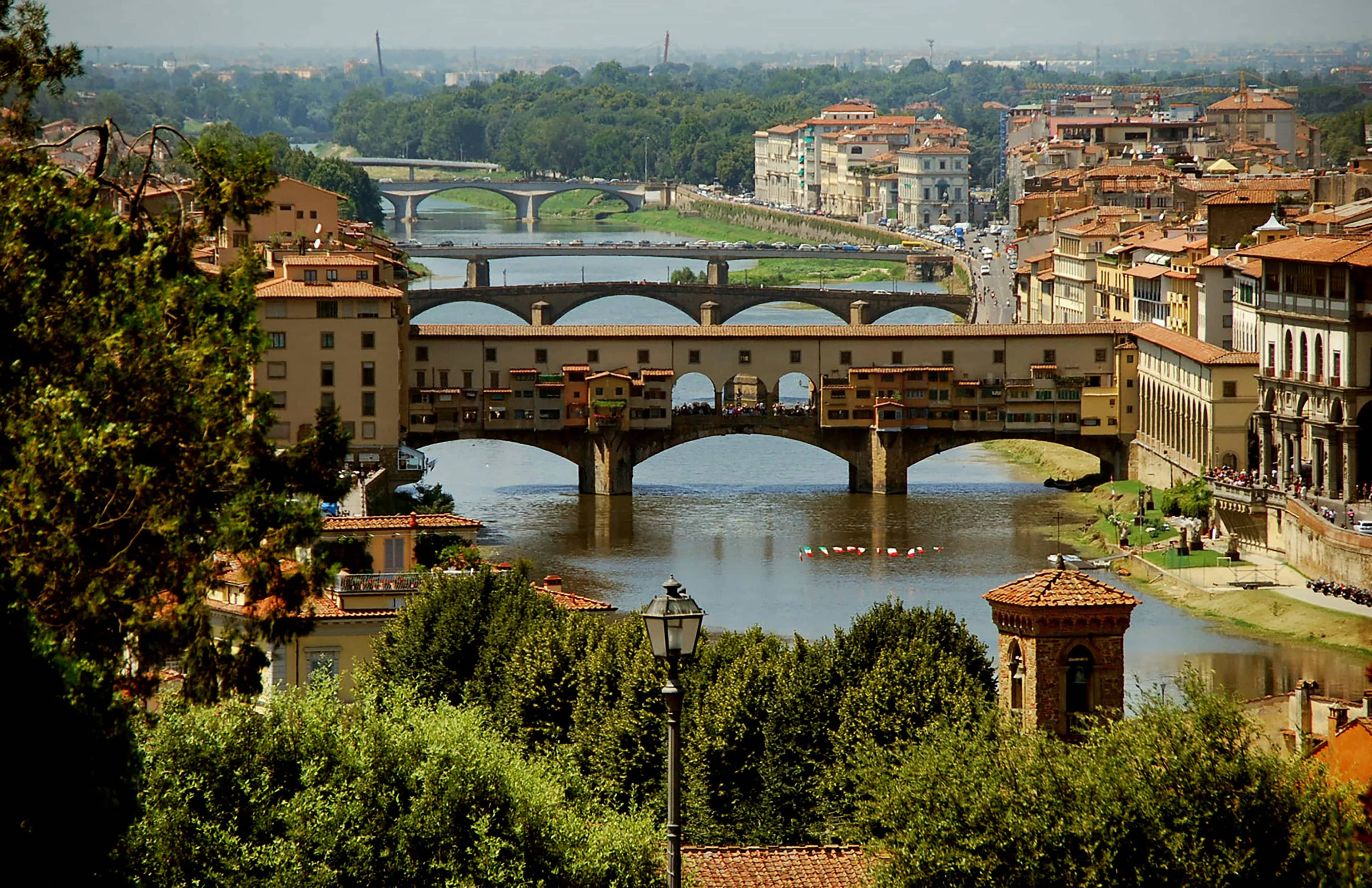
Florence — meaningfully fewer visitors than peak, but the destination is fully open and operating normally. Good balance of atmosphere and accessibility.
Best Time to Visit Florence 2026: A Month by Month Guide
Florence is the greatest concentration of Renaissance art in the world - a city where the Uffizi Gallery, the Accademia Gallery, the Piazza del Duomo, and Piazza Santa Croce sit within a historic centre so compact it can be walked end to end in 20 minutes. That compactness is also the challenge: during the peak tourist season of June–August, the same streets and sites that make Florence extraordinary fill with summer crowds that transform the experience entirely. Getting the timing right is the single most important decision you'll make about this trip.
The shoulder season windows of April–May and September–October give you the same Renaissance art, the same cobbled streets, the same outdoor dining on the Oltrarno terraces - with fewer tourists, more pleasant weather, and hotel prices well below the summer heat peak. Early April and late September in particular offer a perfect mix of good weather and manageable crowds that summer visitors never experience.
Florence Month by Month Guide
| Month | Avg Temp | Crowds | Verdict |
|---|---|---|---|
| January | 3–9°C | Very low | Off season - cheapest prices, coldest month, empty museums |
| February | 5–11°C | Low | Low season, occasional showers - good deals, Christmas markets gone |
| March | 8–15°C | Building | Early spring - cooler temperatures but full bloom beginning |
| April | 12–19°C | Moderate | Shoulder season sweet spot - pleasant weather, fewer crowds |
| May | 16–24°C | Moderate-high | Warm weather, longer daylight - best overall month |
| June | 20–28°C | High | Summer begins - warm, busy, Uffizi queues building |
| July | 23–32°C | Peak | Busiest month and hottest - summer heat makes outdoor sightseeing hard |
| August | 22–31°C | High | Many locals leave - tourist-heavy, summer crowds remain |
| September | 19–27°C | Moderate | Early September still busy; late September ideal - harvest season |
| October | 14–21°C | Low-moderate | Fall season - cooler weather, fewer tourists, cultural events |
| November | 9–15°C | Low | Late fall - occasional rain, but authentic city atmosphere |
| December | 5–10°C | Low-moderate | Christmas markets on Piazza Santa Croce, holiday season charm |
Spring in Florence: April & May
Early April is when Florence makes its strongest case for shoulder season travel. The average temperature reaches 12–19°C - ideal weather for walking the cobbled streets between the Piazza del Duomo, the Piazza della Signoria, and the Oltrarno without the summer heat that makes the same walk exhausting in July. The Boboli Gardens behind Palazzo Pitti are in full bloom, the wisteria covering the pergolas on the hillside above the Arno is extraordinary in late April, and the Uffizi Gallery has manageable queues compared to the summer months.
Mid April brings the Scoppio del Carro (Easter Sunday) - fireworks launched from a decorated cart in front of the Duomo, a Florentine tradition dating to the Crusades. Mid May sees the Maggio Musicale Fiorentino launch - one of Italy's most prestigious classical music festivals, filling the Teatro Comunale and outdoor venues with world-class opera and concerts. The longer daylight hours of May (sunset after 8:30pm) give extra time for outdoor dining and evening walks along the Arno.
Spring Florence Events
- Scoppio del Carro (Easter Sunday): Fireworks from a decorated cart in front of the Piazza Duomo - one of Italy's great traditional spectacles.
- Maggio Musicale Fiorentino (May–June): International opera and classical music festival - one of Europe's finest cultural events.
- Iris Garden (Giardino dell'Iris, April–May only): Free garden above the city open only when irises bloom - extraordinary views over Florence, almost unknown to visitors.
- Gelato Festival (May): Artisan gelato makers from across Italy competing in the Piazza Pitti area.
Summer in Florence: June–August
June marks the beginning of the peak tourist season - warmth temperatures (20–28°C), long daylight hours, and the city at its most internationally visited. The first half of June before Italian school holidays begin is the most pleasant summer month - warm and lively without the full summer crowds of July. Early June can still offer outdoor dining without the summer heat becoming oppressive.
July is Florence's busiest month - the warmest month and the most crowded. The Uffizi Gallery, the Accademia Gallery, and the Duomo dome climb all have their longest queues. The average temperature exceeds 30°C, making the cobbled streets between the city's famous art galleries uncomfortable in the midday heat. If visiting in summer, plan all major sightseeing for early mornings (doors open at 8–9am) and use afternoon hours for indoor attractions with air conditioning.
August sees many locals leave for the coast - the city has a slightly paradoxical quality where it's simultaneously full of tourists yet emptied of Florentines. Many high-end restaurants close for August holidays; the remaining establishments tend toward tourist-facing menus. It's not the ideal month, but the cultural events continue and the Tuscan countryside day trips are excellent.
Autumn in Florence: September & October
Early September retains the warmth of summer (26–28°C) with summer crowds beginning to thin - still busy, but the second half of September shows a noticeable reduction in visitor numbers as European school holidays end. Late September and early October are arguably the finest time to visit Florence: the harvest season in the Tuscan countryside is underway, the olive harvest follows in October, and the city's cultural calendar relaunches after the summer.
The fall season brings cooler temperatures (14–21°C in October) that make the Oltrarno neighbourhood - Florence's most authentic quarter south of the Arno - extremely pleasant to explore on foot. The artisan workshops, independent restaurants, and the San Frediano neighbourhood's neighbourhood bars operate at their most genuinely Florentine in autumn when they're free from summer tourist pressure.
Late October into November offers the cheapest time to visit Florence with fewer tourists than any other mild-weather period. The truffle harvest from the San Miniato area (30km west) is in full swing - Florence's high-end restaurants and many local trattorias feature fresh white truffle on autumn menus, and the San Miniato Truffle Festival in November is a genuine food pilgrimage.
Autumn Florence Highlights
- Chianti harvest (September–October): The vineyards between Florence and Siena harvesting Sangiovese - winery visits and harvest tastings in the Tuscan countryside.
- Grape harvest festival, Impruneta (late September): One of Tuscany's great traditional harvest celebrations, 15km south of Florence.
- White truffle season (October–November): San Miniato truffles appearing on Florence menus - extraordinary seasonal eating.
- Biennale Antiquaria (late September, even years): The world's most important antiques fair, held in Palazzo Corsini.
Winter in Florence: November–March
The low season offers Florence at its most authentically Italian. The Uffizi Gallery and Accademia Gallery are at their least crowded - January and February have the shortest queues of the year, and the indoor attractions that form the core of any Florence visit are actually more enjoyable in the off season when the rooms have space to breathe.
Florence's Christmas markets, concentrated around Piazza Santa Croce, are among Italy's finest - running from late November through early January with craft stalls, seasonal food, and the illuminated Basilica of Santa Croce as backdrop. The holiday season adds festive charm to the city's extraordinary architecture. January brings the coldest month of the year (3–9°C) but also the best deals on accommodation and a city that belongs almost entirely to its residents.
Early spring (late February to mid March) sees Florence begin to warm - colder temperatures than April but the first flowers in the Boboli Gardens and the first sense of the city transitioning toward its best season. Occasional showers are typical in early spring but rarely prolonged.
The Uffizi Gallery & Accademia: Strategy
The Uffizi Gallery contains the world's greatest collection of Italian Renaissance art - Botticelli's Birth of Venus and Primavera, Leonardo da Vinci, Michelangelo, Raphael, Caravaggio, Titian, and Vermeer in a single building. The Accademia Gallery houses Michelangelo's David, the most famous sculpture in the world. Both have free entrance on the first Sunday of each month (October–April) - in shoulder season this is actually accessible, unlike the summer version which requires arriving very early to manage the queue.
Strategy for the Uffizi: book the earliest available time slot (8:15am), arrive precisely on time, and head directly to the Botticelli rooms (rooms 10–14) on the second floor before working backwards through the collection. The Botticelli rooms are the most visited and the most rewarding to see before the mid-morning crowd builds. Allow 3–4 hours minimum; a full day is not excessive.
The Bargello Museum - the world's greatest collection of Italian Renaissance sculpture (Donatello's David, the competition panels by Brunelleschi and Ghiberti) - receives a fraction of the Uffizi's visitors despite containing equally important art galleries. A morning at the Bargello in shoulder season, with fewer tourists than any summer visit to the Uffizi, is one of Florence's best experiences.
Eating in Florence
Florence's food culture is emphatically Tuscan - the bistecca alla Fiorentina (T-bone steak over wood fire, sold by weight, served rare), ribollita (bread and bean soup), and the extraordinary lampredotto (tripe sandwich from market stands) are the foundations. The outdoor dining culture of Florence is at its best in shoulder season - the city's high-end restaurants are fully operational, the terrace tables of the Oltrarno neighbourhood are pleasantly warm without the summer heat, and reservation availability is significantly better than July–August.
Florence Food Essentials
- Trattoria Mario (San Lorenzo): The most authentic cheap Florentine lunch - communal tables, daily-changing menu, queue before noon. A Florence institution since 1953.
- Lampredotto from Nerbone (Mercato Centrale): The quintessential street food - beef tripe sandwich with salsa verde. The market upstairs food hall is excellent for lunch.
- Oltrarno outdoor dining: The neighbourhood south of the Arno has Florence's best neighbourhood restaurants and café culture - outdoor seating in pleasant shoulder-season temperatures.
- Gelato: Gelateria dei Neri (Oltrarno) and Gelateria Bondi - made fresh daily, taste before buying. Avoid any gelateria with tall mounds of brightly coloured product.
Day Trips from Florence
The Tuscan countryside surrounding Florence is extraordinary and entirely accessible for day trips. Siena (75 minutes by bus) has a medieval city centre that rivals Florence in beauty and far fewer tourists - the Piazza del Campo, the extraordinary striped marble Duomo, and the Pinacoteca Nazionale are all worth the trip. San Gimignano (90 minutes) has the best-preserved medieval towers in Italy and excellent Vernaccia white wine. The Chianti wine region between Florence and Siena is ideal for a hired car or cycling tour in September–October during harvest season.
Pisa (60 minutes by train) is worth a half-day for the extraordinary Campo dei Miracoli - the Leaning Tower, the Cathedral, and the Baptistery together form one of Italy's most extraordinary architectural groupings. Visit early morning to avoid the day-tripper coaches. Lucca (90 minutes) is the most charming small city in Tuscany - a perfectly preserved medieval walled city with excellent restaurants and none of Florence's tourist pressure.
Also Consider
Pairs well with, or alternatives worth comparing:
Wondering how much you actually save in shoulder season? Our Shoulder Season Price Report analyses hotel prices across 110 destinations - flights are 37% cheaper, hotels drop 20–50%, and September is the world's most valuable travel month.
Frequently Asked Questions About Florence
- When is the best time to visit Florence? April–May and September–October are the shoulder seasons - pleasant weather (18–26°C), fewer crowds at the Uffizi Gallery and Accademia Gallery, and hotel prices well below the peak tourist season of June–August. Early April and late September are the sweet spots within those windows.
- What is Florence like in summer? July is the busiest month and the hottest - temperatures regularly exceed 35°C, the historic centre fills with summer crowds, and long lines at the Uffizi Gallery and Piazza del Duomo are unavoidable. If visiting in summer, book all attractions weeks ahead and plan outdoor sightseeing for early mornings.
- Is Florence good to visit in winter? Yes - the low season (November–February) has the fewest tourists, the lowest hotel prices, and an authentic city atmosphere. Florence's Christmas markets on Piazza Santa Croce are beautiful. The coldest month is January (5–9°C) but indoor attractions like the Uffizi are perfectly comfortable.
- Do I need to book Florence attractions in advance? Always - the Uffizi Gallery, the Accademia Gallery (Michelangelo's David), the Duomo dome climb, and the Boboli Gardens require advance booking even in shoulder season. Book as soon as your dates are confirmed.
- What is Florence like in September? Early September has the warmth of summer (26–28°C) with summer crowds beginning to thin. Late September and early October are arguably the finest time to visit Florence - harvest season in the Tuscan countryside, cooler weather for sightseeing, and the city returning to its cultural rhythm after the high season.
Ready to Book?
May is one of the best times to visit Florence. Compare prices now:
We may earn a small commission on hotel bookings at no extra cost to you.
This destination is great for:
Florence vs Rome: which should you visit?
Side-by-side comparison - timing, cost, and an honest verdict.
If You Like Florence, Also Consider…
Also see: Best time to visit Italy →
Florence is featured in: