
Crowd preference
How many other tourists is too many?
Best months for atmosphere without overwhelming crowds
Kyoto — meaningfully fewer visitors than peak, but the destination is fully open and operating normally. Good balance of atmosphere and accessibility.
Best Time to Visit Kyoto 2026: Cherry Blossoms, Autumn Foliage & the Festivals Between
Kyoto is Japan's ancient capital - 1,200 years of imperial history compressed into a city of extraordinary temples, gardens, geisha districts, and tea houses. The Kinkaku-ji (Golden Pavilion), Fushimi Inari's 10,000 torii gates, the bamboo grove at Arashiyama, and the preserved machiya townhouses of the Gion district make it the most concentrated historical experience in Japan. It also has two seasons that the world has decided to visit for simultaneously, creating pressure that requires careful timing.
Cherry blossom season (late March to early April) and autumn foliage (late October to mid-November) are both genuinely extraordinary in Kyoto. The autumn foliage season is the better-kept secret - equally beautiful, lasting twice as long, with hotel prices 30–40% below the cherry blossom peak and none of the Golden Week pressure that immediately follows spring. Both seasons reward early mornings at the famous sites before day visitors arrive.
Autumn Foliage: Late October to Mid-November
Kyoto's fall foliage season unfolds over 3–4 weeks - longer than cherry blossom season - as the maples turn from green through orange to deep crimson while the ginkgos go yellow alongside them. The Eikando Temple is the most celebrated autumn foliage spot - its hillside garden of maples is extraordinary at peak colour, especially at the evening illuminations (tokubetsu yakan). Tofuku-ji's Tsutenkyo bridge, spanning a ravine of 2,000 maple trees, is Kyoto's most dramatic autumn landscape.
Late October has the advantage of comfortable weather (16–20°C) and the earliest colour changes in the higher elevations - Kurama north of the city and the Arashiyama hillsides show colour before the city centre temples. Mid-October in Kyoto has pleasant weather and building autumn atmosphere without yet reaching the mid-November peak crowd levels.
Best Autumn Foliage Spots in Kyoto
- Eikando Temple (mid-November peak): The most famous autumn foliage in Kyoto - arrive at opening (9am) or attend the evening illuminations. Book tickets ahead for the illumination period.
- Tofuku-ji (mid-November peak): The Tsutenkyo bridge view over the maple ravine - arrive before 8:30am to beat day-tripper coaches from Osaka.
- Arashiyama (late October–mid-November): The hillsides above the bamboo grove in autumn colour, the Tenryu-ji garden with maple reflections in the pond.
- Philosopher's Path (late November): The canal-side path lined with cherry trees has late-season colour after the famous spots have peaked.
- Kurama (early November): The mountain village north of Kyoto has earlier colour change - the Kurama Fire Festival (October 22nd) coincides with early autumn colour.
Cherry Blossom Season: Late March to Early April
Kyoto's cherry blossom season typically peaks in late March to early April - the exact dates vary by 1–2 weeks each year depending on winter temperatures. The Philosopher's Path (a 2km canal-side walk lined with cherry trees) is the most famous cherry blossom walk. Maruyama Park has Kyoto's most celebrated single tree - an enormous weeping cherry (shidarezakura) illuminated at night during blossom season. Arashiyama's cherry blossoms along the Hozu River are extraordinary in early April.
The Kyoto Imperial Palace grounds open for public viewing during cherry blossom season - the palace gardens with blossoms against the ancient walls is one of Japan's great seasonal experiences. The early mornings (before 8am) at any famous spot give a completely different experience from the mid-morning crowds - Maruyama Park at 6am during full bloom is genuinely magical.
Book accommodation 6+ months ahead for cherry blossom season. The peak week sees hotels triple their rates. The week before full bloom (when trees are at 70–80% and prices slightly lower) is often a better choice than the peak day itself.
Kyoto's Famous Festivals
The Gion Matsuri in July is Japan's most celebrated festival - the entire month of July has events, culminating in the grand Yamaboko Junko procession on July 17th and 24th where enormous decorated floats are pulled through central Kyoto. The Yoiyama evenings (July 14–16) with the illuminated floats and food stalls along Shijo-dori are extraordinary and, at night, more accessible than the crowded parade days.
The Jidai Matsuri (Festival of the Ages, October 22nd) is a procession of 2,000 participants in historical costumes from every era of Kyoto's 1,200-year history - from the Heian period through to the Meiji restoration. It departs from the Kyoto Imperial Palace and arrives at Heian Shrine. The Kurama Fire Festival on the same evening (October 22nd) has young men dressed in traditional costume carrying enormous torches through the narrow streets of Kurama village at night - one of Japan's most atmospheric festival experiences.
The Obon Festival (mid-August) is when the spirits of ancestors are welcomed back to the living world - the Gozan no Okuribi (Daimonji) on August 16th sees five mountain bonfires lit simultaneously on the hills surrounding Kyoto, visible from much of the city. The Kyoto tradition of Obon is profound and the Daimonji bonfires are extraordinary.
Kyoto's Essential Temples & Shrines
Fushimi Inari Shrine - the 10,000 torii gates winding up the forested mountain are Kyoto's most photographed sight. Go at dawn (the shrine is open 24 hours) - the path to the first summit plateau (30 minutes) in early morning mist, with no other visitors, is one of Japan's great experiences. The full circuit to the top takes 2–3 hours.
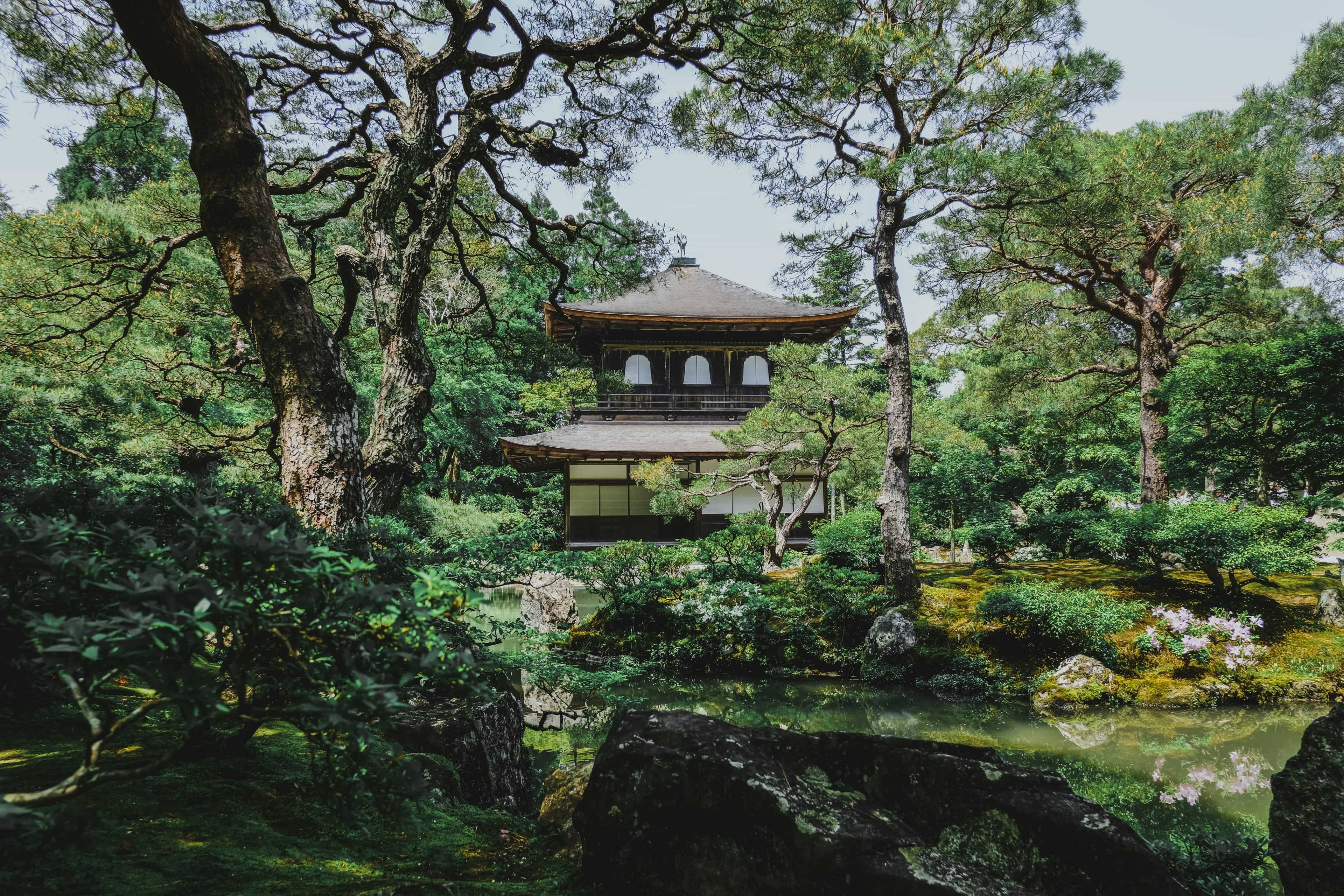
Kinkaku-ji (Golden Pavilion) - the three-story gold-leaf-covered pavilion reflected in the pond is genuinely extraordinary in every season. Arrive at opening (9am) - the first 20 minutes have manageable crowds before tour groups arrive. The snow-covered Kinkaku-ji in December or January is one of the finest winter images in Japan.
Ryoan-ji - the world's most famous zen garden, 15 raked stones on white gravel. Best appreciated in early morning when the raked patterns are fresh and the viewing platform is uncrowded enough for sustained looking. The temple's surrounding gardens are beautiful in autumn.
Gion District - Kyoto's preserved geisha district, the machiya townhouses along Hanamikoji Street unchanged since the Edo period. Early mornings are when maiko (apprentice geisha) walk to their morning practice - respectful distance photography is accepted, but blocking paths or demanding posed photographs is not.
Eating in Kyoto
Kyoto Food Essentials
- Kaiseki: Kyoto's multi-course seasonal cuisine - the highest expression of Japanese cooking. Kikunoi and Nakamura are the most celebrated. Affordable kaiseki lunch sets (¥3,000–5,000) at many restaurants give access to the tradition without dinner prices.
- Nishiki Market: Kyoto's five-block covered market - pickled vegetables, tofu, fresh fish, and Kyoto specialities. Best in the morning before tourist crowds; the food stalls at the Nishiki end are excellent for eating while browsing.
- Tea houses (tea ceremony): En tea ceremony experience near Fushimi Inari or Urasenke for genuine chado (way of tea) instruction - book ahead for the shoulder seasons, walk-in possible in off-season.
- Tofu cuisine: Kyoto's Buddhist temple culture created an extraordinary tofu tradition - Tousuiro near Nishiki Market for elegant tofu kaiseki at accessible prices.
- Food stalls at Nishiki (daytime) and Pontocho (evening): Pontocho alley parallel to the Kamo River has Kyoto's finest restaurant concentration - dining platforms extending over the river in summer (May–September).
Also Consider
Pairs well with, or alternatives worth comparing:
Comparing your options? Read our detailed Tokyo vs Kyoto comparison and our Kyoto vs Osaka comparison - shoulder season timing, price differences, and an honest verdict on which to visit.
Wondering how much you actually save in shoulder season? Our Shoulder Season Price Report analyses hotel prices across 110 destinations - flights are 37% cheaper, hotels drop 20–50%, and September is the world's most valuable travel month.
Frequently Asked Questions About Kyoto
- When is the best time to visit Kyoto? Late October to mid-November for autumn foliage - Kyoto's maple and ginkgo season is as spectacular as cherry blossom but with 40% lower hotel prices and no Golden Week pressure. Late March to early April for cherry blossoms if that's your priority, but book accommodation 6+ months ahead and expect peak season pricing.
- Is cherry blossom season worth the crowds in Kyoto? The blossoms at Maruyama Park, the Philosopher's Path, and Arashiyama are genuinely extraordinary. But hotel prices often triple, the famous spots are overwhelmingly crowded, and Golden Week (late April–early May) follows immediately. The autumn foliage season is equally beautiful, lasts twice as long, and costs significantly less.
- What is the Gion Matsuri festival? The Gion Matsuri is Japan's most famous festival, running throughout July with the grand Yamaboko Junko procession on July 17th and 24th - enormous decorated floats pulled through central Kyoto by men in traditional dress. The evenings of July 14–16 (Yoiyama) with the illuminated floats and food stalls are extraordinary and less crowded than the parade days.
- When does Kyoto's autumn foliage peak? Mid-November is the typical peak, but it varies by 1–2 weeks each year. The Eikando Temple and Tofuku-ji are the most celebrated autumn foliage spots; Arashiyama's bamboo grove with autumn colour is extraordinary. Late October to mid-November covers the window safely.
- Should I avoid Golden Week in Kyoto? Yes - Golden Week (late April to early May) is Japan's busiest domestic travel period. Kyoto's famous temples and gardens are at maximum capacity, hotels are booked solid months ahead, and the experience is genuinely difficult. If travelling in late April, leave before Golden Week begins or arrive after it ends.
Ready to Book?
September is one of the best times to visit Kyoto. Compare prices now:
We may earn a small commission on hotel bookings at no extra cost to you.
Kyoto vs Osaka: which should you visit?
Side-by-side comparison - timing, cost, and an honest verdict.
If You Like Kyoto, Also Consider…
Also see: Best time to visit Japan →
Kyoto is featured in: