
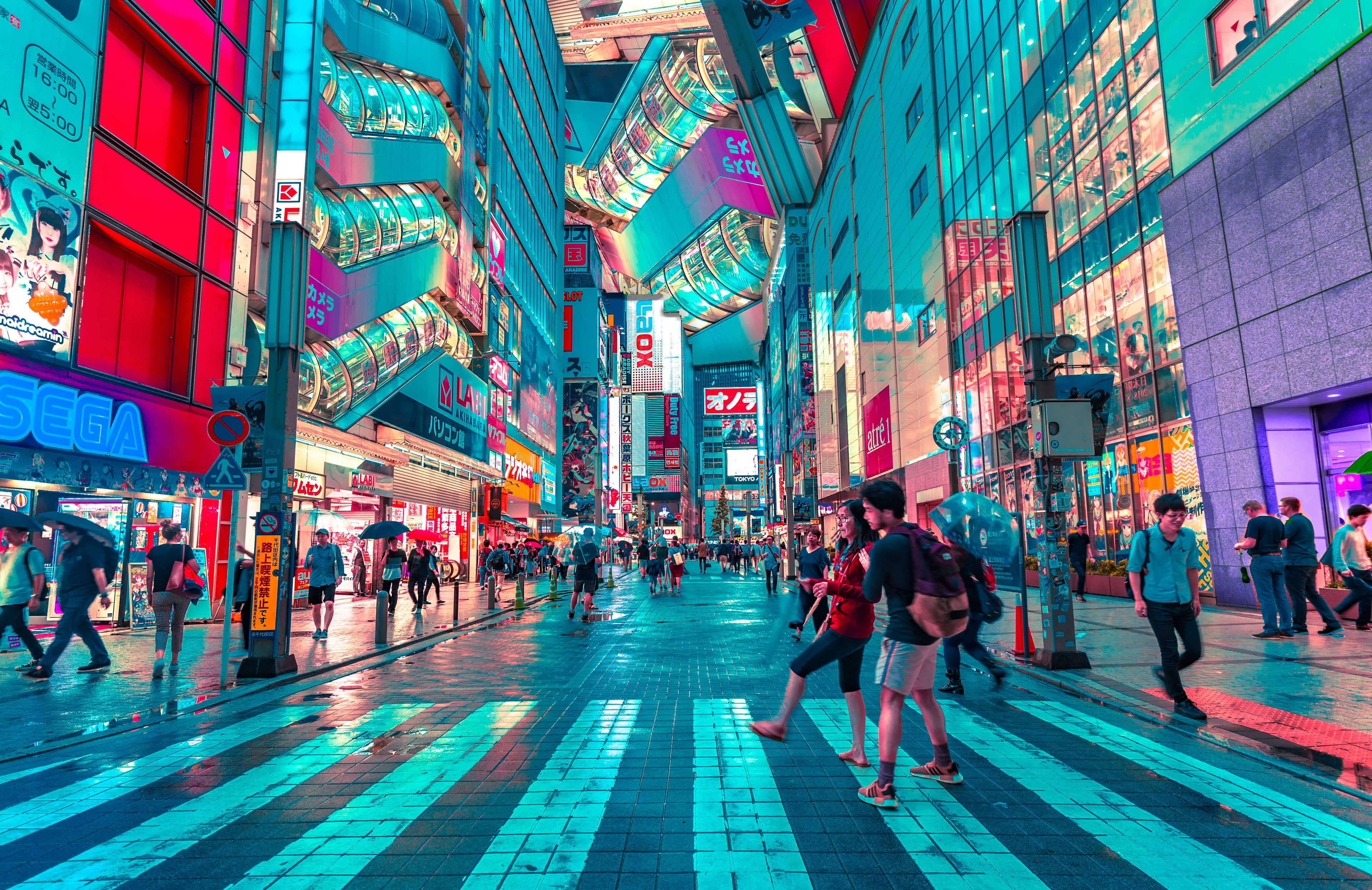
Crowd preference
How many other tourists is too many?
Best months for atmosphere without overwhelming crowds
Tokyo — meaningfully fewer visitors than peak, but the destination is fully open and operating normally. Good balance of atmosphere and accessibility.
Best Time to Visit Tokyo 2026: Beyond Cherry Blossom Season
Tokyo rewards visitors who understand its seasonal rhythms. Cherry blossom season (late March to early April) has become so internationally famous that hotel rates often double for the two-week window, the famous viewing spots at Ueno Park and Shinjuku Gyoen are overwhelmingly crowded, and the city operates under a pressure that peak season visitors don't anticipate. The sakura are genuinely extraordinary - but so is the alternative.
Tokyo's autumn (late September through November) delivers everything cherry blossom season promises and more. The Japanese maples, ginkgos, and cherries turn extraordinary shades of crimson and gold over a 4–6 week window - twice as long as the cherry blossom season. Hotel rates are 30–40% below spring peak. Daytime temperatures of 18–24°C are ideal for the extraordinary amount of walking Tokyo rewards. This is the version of Tokyo most worth planning around.
Tokyo in Autumn: Foliage Season
The autumn foliage (koyo) calendar in Tokyo unfolds from late September through late November. The ginkgo avenue at Meiji Jingu Gaien (Jingu Gaien) - a kilometre of brilliant yellow trees - typically peaks in mid-to-late November and produces some of the most extraordinary urban photography in Japan. Shinjuku Gyoen National Garden's maples peak slightly later; the Rikugien Garden's weeping cherry turning autumn red is one of Tokyo's great lesser-known seasonal sights.
Nakameguro in October is the neighbourhood for autumn. The canal running through this residential area is lined with cherry trees that turn red and orange - the same trees that draw spring blossom crowds are arguably more beautiful in their autumn colour, with canal-side restaurants and coffee shops having outdoor seating. The cool evenings make the walk extraordinarily pleasant.
Tokyo Autumn Foliage Spots
- Jingu Gaien ginkgo avenue (mid-late November): The most photogenic urban autumn scene in Japan - arrive at opening for the thinnest crowds.
- Nakameguro canal (October): Canal-side cherry trees in autumn red - extraordinary in the afternoon light with coffee shops and restaurants alongside.
- Shinjuku Gyoen National Garden: Formal French garden, English landscape garden, and Japanese garden sections - the maples peak late October to mid-November.
- Rikugien Garden: Traditional Japanese strolling garden with extraordinary autumn colour - evening illuminations in November are extraordinary.
Cherry Blossom Season: What to Expect
Cherry blossom viewing (hanami) is genuinely extraordinary in Tokyo - Ueno Park, Yoyogi Park, Shinjuku Gyoen, and the Meguro River all have exceptional sakura. The problem is timing: the blooming period lasts approximately 2 weeks (variable by year - late March to mid-April in most years), hotel rates often double or triple, and the viewing spots are overwhelmingly crowded on weekends.
Strategy for cherry blossom season: visit the famous spots on early weekday mornings (6–8am). The Meguro River cherry walk in the early morning before work-hour crowds arrive is extraordinary. Shinjuku Gyoen charges entry (reducing casual visitors) and has more space than Ueno Park. The late afternoon light on cherry blossoms before sunset is the finest photography condition.
The third weekend of April - after the cherry blossoms at Ueno and the main parks have fallen - has the Tokyo parks carpeted in pink petals before the gardeners clear them. This "fallen blossom" moment lasts only a few days and is less photographed but equally beautiful.
Late May & Early June: The Overlooked Window
After Golden Week (late April–early May), Tokyo enters a quiet window that lasts through May. Hotel rates return to normal after the holiday period peak. Temperatures of 20–25°C are comfortable. The rainy season (tsuyu) begins in mid-June but May is reliably pleasant. Tokyo's hydrangea season begins in late May - hundreds of temples and gardens fill with enormous blooms that are photographed as beautifully as the cherry blossoms but attract a fraction of the crowds.
Eating in Tokyo
Tokyo has more Michelin stars than any city in the world - and some of the world's best cheap eating. The two extremes co-exist: the ramen shop that's been perfecting one recipe for 40 years costs £6; the 15-course kaiseki tasting menu starts at £150. Both represent genuine excellence.
Tokyo Food Essentials
- Convenience store (konbini) culture: 7-Eleven, FamilyMart, and Lawson serve genuinely excellent onigiri, hot foods, and coffee. This is how many Tokyoites eat breakfast and it's not a compromise.
- Tsukiji outer market: Breakfast sushi at market prices - the inner market moved to Toyosu but the outer stalls and restaurants remain extraordinary.
- Depachika (department store basement food halls): Isetan in Shinjuku, Takashimaya in Nihonbashi - extraordinary food experiences in themselves, extraordinary for gifts and prepared food.
- Yakitori under the Yurakucho tracks: The alleyways under the elevated train tracks near Yurakucho station - smoky, informal, excellent grilled chicken with cold beer.
Day Trips from Tokyo: Mount Fuji & Beyond
Mount Fuji is most visible from Tokyo in autumn and winter when the air clears - the iconic view from the Shinkansen passing Shizuoka or from the shores of Lake Kawaguchi (90 minutes) is sharpest in October–November. The climbing season runs July–September; for views rather than climbing, autumn is the best time.
Kamakura (1 hour south) has the giant Buddha at Kotoku-in and extraordinary Zen temples in a coastal setting - autumn foliage here peaks in late November. Nikko (2 hours north) has UNESCO-listed shrines in mountain forest with spectacular autumn colour. Hakone (90 minutes) offers Mount Fuji views and hot spring onsen - extraordinary in October.
Also Consider
Pairs well with, or alternatives worth comparing:
Comparing your options? Read our detailed Tokyo vs Kyoto comparison - shoulder season timing, price differences, and an honest verdict on which to visit.
Wondering how much you actually save in shoulder season? Our Shoulder Season Price Report analyses hotel prices across 110 destinations - flights are 37% cheaper, hotels drop 20–50%, and September is the world's most valuable travel month.
Frequently Asked Questions About Tokyo
- When is the best time to visit Tokyo? Late September–November for autumn foliage (koyo) - maples and ginkgos turn extraordinary colours over 4–6 weeks, hotel rates are 30–40% below cherry blossom peak, and the city is at its most comfortable (18–25°C). Late May–early June is the other excellent window - before the rainy season and summer humidity.
- Is cherry blossom season worth the crowds in Tokyo? The blossoms at Ueno Park, Shinjuku Gyoen, and Yoyogi Park are genuinely extraordinary. But hotel rates often double or triple in late March–early April, and the famous cherry blossom viewing spots are overwhelmingly crowded. The autumn foliage lasts twice as long and costs much less.
- What is Golden Week? Golden Week (late April–early May) is Japan's biggest holiday period - four national holidays clustered together. Tokyo is extremely busy with domestic travel; hotel prices spike and major attractions are overwhelmed. Avoid Golden Week unless you specifically want to experience Japanese holiday culture.
- How do I get around Tokyo? The Suica or Pasmo IC card (available at any station) provides seamless access to all trains, metros, and many buses. Google Maps gives accurate real-time directions including platform numbers. The JR Pass covers Shinkansen travel if doing multiple bullet train journeys across Japan.
- What is the best area to stay in Tokyo? Shinjuku for maximum convenience and the world's busiest station. Shibuya for the famous crossing and nightlife. Asakusa for traditional Tokyo atmosphere near Senso-ji temple. Shimokitazawa for independent cafés and music venues. Nakameguro in October for the extraordinary canal-side autumn foliage.
Ready to Book?
September is one of the best times to visit Tokyo. Compare prices now:
We may earn a small commission on hotel bookings at no extra cost to you.
Tokyo Travel Guide
Where to Stay in Tokyo
Budget
€60–100/night
Asakusa or Ueno
Traditional guesthouses (ryokan) and business hotels near major sights
Mid-range
€110–170/night
Shinjuku or Shibuya
Well-located hotels with good transport access, some with city views
Splurge
€350+/night
Ginza or Marunouchi
International luxury brands, impeccable Japanese service, extraordinary views
Which Neighbourhood to Base Yourself In
Shinjuku
Vast, neon, everything
Golden Gai bar alley, Omoide Yokocho, skyscraper views
Yanaka
Old Tokyo, quiet, traditional
Temple alleys, traditional craft shops, cats
Shimokitazawa
Indie, vintage, young
Vintage clothing, live music venues, coffee shops
Daikanyama/Nakameguro
Upscale, design-conscious
Tsutaya bookshop, canal walks, excellent coffee
What to Eat in Tokyo
Ramen
Where: Ichiran (solo booth ramen) or any queue outside a local shop
Tokyo ramen varies enormously by style — try shoyu (soy), tonkotsu (pork), and miso
Sushi breakfast
Where: Tsukiji Outer Market at 6–7am
The freshest sushi in the world, eaten standing up, at dawn
Izakaya dinner
Where: Any in the Yurakucho station underpass or Golden Gai
Japanese pub food — yakitori, edamame, karaage — over many small dishes and cold beer
Convenience store food
Where: 7-Eleven, Lawson, or FamilyMart (genuinely)
Japan's convenience stores serve extraordinary prepared food — onigiri, hot foods, exceptional sandwiches
Getting Around Tokyo
Get a Suica card at the airport on arrival — it covers every train, subway, bus and even convenience store purchases. Tokyo's rail network is extensive and reliable. Google Maps is accurate for Tokyo transit. Taxis are expensive and unnecessary in central Tokyo. Walking is often the best option within neighbourhoods.
Day Trips from Tokyo
Nikko
Full day
Tobu Nikko Line from Asakusa, 2 hours
Elaborate shrine complexes in forested mountains — gold leaf, carved monkeys, mountain cedar
Kamakura
Full day
JR Yokosuka Line from Tokyo Station, 1 hour
The giant bronze Daibutsu Buddha, bamboo temples, and excellent hiking trails between shrines
Hakone
Full day or overnight
Romancecar from Shinjuku, 85 minutes
Mt Fuji views (weather permitting), hot spring ryokan, open-air sculpture museum
This destination is great for:
Tokyo vs Kyoto: which should you visit?
Side-by-side comparison - timing, cost, and an honest verdict.
If You Like Tokyo, Also Consider…
Also see: Best time to visit Japan →
Tokyo is featured in: