
Crowd preference
How many other tourists is too many?
Best months for atmosphere without overwhelming crowds
Vienna — meaningfully fewer visitors than peak, but the destination is fully open and operating normally. Good balance of atmosphere and accessibility.
Best Time to Visit Vienna 2026: Austria's Capital Season by Season
Vienna is the most cultivated city in Europe - Schönbrunn Palace, Belvedere Palace, the Kunsthistorisches Museum's extraordinary collection, the Vienna Philharmonic, and a coffee house culture that UNESCO has recognised as intangible cultural heritage. The Austrian capital has the Christmas markets that define the festive season across Central Europe, the opera performances that set the global standard, and the wine taverns (Heuriger) that represent one of the world's most pleasant ways to spend an afternoon. Understanding when to visit shapes every aspect of the experience.
Vienna's high season divides into two peaks: summer (July–August) with warm weather, outdoor concerts at Schönbrunn and on the Danube Island, and the city at full tourist capacity; and December for the Christmas markets that are among Europe's most celebrated. April–May and September–October are the shoulder seasons - fewer tourists, more pleasant temperatures for the city center's extraordinary walkability, and hotel prices meaningfully below both peaks.
Vienna in April & May: Spring in the Parks
April in Vienna (15–18°C) brings the Prater's chestnut avenue into extraordinary bloom - the Hauptallee, a 4.5km avenue lined with horse chestnuts, goes white with flowers in late April and is one of Central Europe's great spring walks. The blooming parks of the city (the Volksgarten with its rose garden, the Burggarten, the Stadtpark) come alive, and the outdoor café culture of Vienna - a fundamental part of the Austrian capital's identity - begins in earnest.
May warms to 20–22°C with good weather and longer daylight hours. The Vienna City Marathon (April) brings the city's streets alive with international runners. The Naschmarkt - Vienna's extraordinary open-air market stretching along the Linke Wienzeile - is at its finest in spring with the full range of Austrian, Turkish, and international produce. The Saturday flea market at the end of the Naschmarkt is one of Vienna's great free experiences.
Spring Vienna Events
- Prater chestnut avenue in bloom (late April): The 4.5km Hauptallee lined with white chestnut flowers - one of Central Europe's great spring walks, free.
- Vienna City Marathon (April): The city's streets transformed - extraordinary atmosphere for spectators along the Ringstrasse.
- Naschmarkt spring season: The open-air market at its most varied - Saturday flea market attached is Vienna's finest free browsing experience.
- Opera season continuing: The Vienna State Opera's spring programme runs through June - standing room tickets (€3–5) available through the app.
Vienna in Summer: June–August
Vienna summer (July averaging 25°C, with occasional particularly hot days reaching 35°C) is genuinely enjoyable but the busiest period. The Donauinselfest (Danube Island Festival) in late June is Europe's largest open-air music festival - free, on the Danube Island, drawing over 3 million visitors over three days. Outdoor concerts at Schönbrunn Palace and the Rathausplatz Film Festival (free open-air cinema throughout July and August) are summer highlights.
The Vienna Philharmonic's Sommernachtskonzert (Summer Night Concert) at Schönbrunn Palace in June is an extraordinary free outdoor classical concert - the palace illuminated, the formal gardens as backdrop, and one of the world's great orchestras performing for the public at no charge. August is the hottest month and the peak of tourist season; hotel prices are at their summer maximum and popular attractions have their longest queues.
Vienna in September & October: Cultural Season & Heuriger
September marks the launch of Vienna's cultural year. The Vienna State Opera, the Vienna Philharmonic, and the city's extraordinary theatre companies all open their autumn seasons. Opera performances resume at the Staatsoper after the summer break - this is the moment when Vienna's status as the world's classical music capital is most intensely felt. The Annual Long Night of Museums in October opens over 100 Vienna's museums until 1am on a single combined ticket - one of the cultural calendar's great events.
The Heuriger wine taverns in the villages of Grinzing, Neustift, and Nussdorf are at their finest in September and October during the harvest season - the new vintage Grüner Veltliner just pressed, the vineyard gardens still warm enough for outdoor sitting, and the specific Viennese pleasure of the afternoon Heuriger visit (tram to the city edge, new wine in a garden, cold buffet, return by evening) at its most atmospheric.
Late September and October see average temperatures ranging from 10–18°C - cool enough for comfortable sightseeing through the extraordinary museum collections, warm enough for outdoor café seating. Hotel prices are meaningfully lower than the summer peak with all attractions fully operational.
Vienna Christmas Markets: November–December
Vienna's Christmas markets are among the most celebrated in the world - the Rathausmarkt in front of the City Hall has the largest ice skating rink in Europe alongside the market stalls, the mulled wine (Glühwein) culture, and the extraordinary backdrop of the neo-Gothic City Hall illuminated at night. The Schönbrunn Palace Christmas market, the Spittelberg market (the most atmospheric, in a preserved Biedermeier residential neighbourhood), and the Am Hof market each offer a different character.
Late November is the sweet spot for Christmas visits - the markets newly opened, the festive atmosphere without yet reaching its peak crowding. December brings the New Year's Eve celebrations that are among the finest in Europe - the Imperial Ball at the Hofburg, the outdoor celebrations, and Vienna's specific New Year atmosphere of classical music and Viennese waltzes as the year turns.
Vienna's Extraordinary Museums
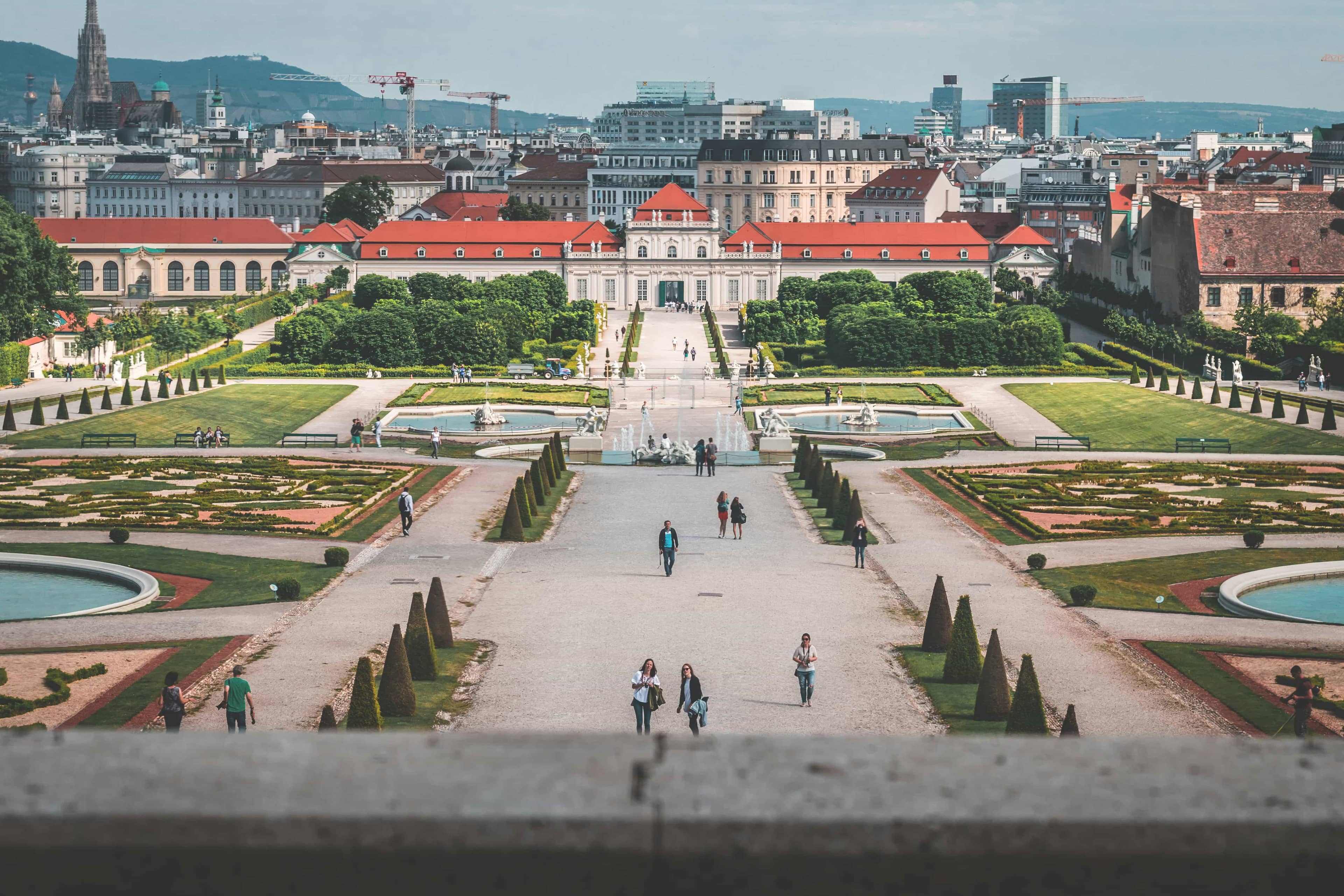
The Kunsthistorisches Museum (Art History Museum) is the Habsburg royal collection - Vermeer, Bruegel, Titian, Velázquez, Caravaggio, and Raphael in a building that is itself a masterwork. The Belvedere Palace (Upper and Lower) houses Klimt's The Kiss - larger in person than any reproduction suggests - and an extraordinary collection of Austrian art. The Leopold Museum in the MuseumsQuartier has the world's largest Schiele collection alongside Klimt and Kokoschka.
Schönbrunn Palace - the Habsburg summer palace with 1,441 rooms - has free gardens year round and the Gloriette viewpoint above the formal gardens that gives Vienna's finest city panorama. The Hofburg Imperial Palace in the city center includes the Imperial Apartments, the Sisi Museum, and the Imperial Silver Collection - a combined ticket covers all three.
Vienna's Coffee House Culture
Vienna Coffee House Essentials
- Café Central (1st district): The most famous - Freud, Trotsky, and Herzl were regulars. Extraordinary architecture, good coffee, newspapers on wooden holders.
- Café Hawelka (1st district): The authentic alternative - artists and ageing regulars since 1939. The Buchteln (jam-filled sweet rolls, served only after 10pm) are legendary.
- Coffee vocabulary: Melange (coffee with foamed milk), Kleiner Brauner (small coffee with cream), Verlängerter (espresso extended with hot water). Never ask for an "Americano".
- Live music culture: Many of Vienna's traditional coffee houses have live piano music - the Café Schwarzenberg on the Ringstrasse occasionally has musicians, maintaining the culture that made Vienna's coffee houses extraordinary.
Also Consider
Pairs well with, or alternatives worth comparing:
Wondering how much you actually save in shoulder season? Our Shoulder Season Price Report analyses hotel prices across 110 destinations - flights are 37% cheaper, hotels drop 20–50%, and September is the world's most valuable travel month.
Frequently Asked Questions About Vienna
- When is the best time to visit Vienna? April–May and September–October. Spring has the Prater's chestnut avenue in bloom and the outdoor café culture beginning; autumn sees the opera and concert season launch and the wine harvest in the Heuriger wine taverns. Both avoid the Christmas markets peak prices of December and the July–August summer crowds.
- When are Vienna's Christmas markets? Vienna's Christmas markets run from mid-November through December 24th - the Rathausmarkt (City Hall market) with its ice skating rink is the most famous, but the Schönbrunn Palace market, the Spittelberg market, and the Am Hof market each have their own character. Vienna Christmas markets are among the finest in Europe.
- What is the Vienna Long Night of Museums? The Annual Long Night of Museums (Lange Nacht der Museen) typically runs in October - a single evening where over 100 Vienna museums are open until 1am on a combined ticket. One of the cultural calendar's great events and an excellent reason to visit Vienna in autumn.
- Is the Vienna State Opera worth visiting? Absolutely - and it's far more accessible than most visitors realise. Standing room tickets (Stehplatz) cost €3–5 and are available through the Bundestheater app from midnight the day before the performance. The acoustics from the standing areas are genuinely excellent and you're watching the same performance as the €300 stall seats.
- What are Vienna's Heuriger wine taverns? Heuriger are traditional Viennese wine taverns in the wine-producing villages on the city's outskirts (Grinzing, Neustift, Nussdorf). They serve new vintage Grüner Veltliner and Riesling with cold buffet food in garden settings. The classic Vienna afternoon of taking a tram to the city edge and drinking new wine in a vineyard garden is one of the city's great pleasures - best in September–October during harvest.
Comparing your options? Read our detailed Prague vs Vienna comparison - shoulder season timing, price differences, and an honest verdict on which to visit.
Ready to Book?
May is one of the best times to visit Vienna. Compare prices now:
We may earn a small commission on hotel bookings at no extra cost to you.
This destination is great for:
Vienna vs Prague: which should you visit?
Side-by-side comparison - timing, cost, and an honest verdict.
Vienna is featured in: