
Best Wildlife & Safari Destinations in Shoulder Season
Wildlife travel has a counterintuitive secret: shoulder season is often when the best game viewing happens. In the East African dry season, animals concentrate at waterholes. In Baja California, whale season is the shoulder. In southern Africa, the transition seasons produce the dramatic predator-prey interactions that peak season visitors sometimes miss entirely - at lodge prices that reflect the lower demand rather than the highest.
Why Shoulder Season?
The logic of wildlife travel differs from cultural and beach travel: it's not about avoiding crowds (though that helps) but about understanding that wildlife events have their own calendar that doesn't align with human peak season. The wildebeest calving in Tanzania, the whale sharks at Ningaloo, the bear salmon run in Alaska - these happen when they happen, and the best shoulder season safari operators build itineraries around the wildlife calendar, not the tourist one.
Animals concentrate in dry season shoulder periods
In East Africa, the weeks around the official dry season (June–October) have game viewing that's often better than peak July–August: animals have concentrated at waterholes, the grass is short enough to see predators clearly, and lodge prices haven't reached their maximum. Early June and October can be outstanding.
Whale and marine wildlife events happen in shoulder season
Whale watching has a specific shoulder season logic: humpbacks off Tonga (July–October), grey whales in Baja California (January–March), blue whales in Sri Lanka (March–April), whale sharks at Ningaloo (March–July). These events are the reason to go, and they happen on wildlife schedules, not human ones.
Migratory birds peak in spring and autumn
Bird migration - one of wildlife travel's most compelling phenomena - is a shoulder season event. The spring migration through the Gambia, the autumn raptor migration in Israel and Gibraltar, and the shorebird spectacle at Delaware Bay in May all happen in the margins of peak season.
Lodge prices drop 20–40% in shoulder season
East African luxury safari lodges can cost $1,500–3,000/night at peak (July–August). The same lodge in November (green season) or June (early dry season) costs $900–1,800 for a comparable experience. The wildlife is extraordinary either way.
Green season has advantages peak season doesn't
The 'green season' (low season in East Africa: November–March) has lush landscapes, fewer vehicles at sightings, baby animals everywhere, and the spectacle of migratory birds. Professional photographers often prefer the green season light and landscape colour.
Top Wildlife Destinations for Shoulder Season
Serengeti, Tanzania
June, October–NovemberThe Great Migration's river crossings happen from July–October, but October (shoulder season) has the wildebeest moving back through the Serengeti from the Masai Mara, lodge prices beginning to drop, and the end-of-dry-season animal concentrations at their most dramatic.
Galápagos Islands
May–June, November–DecemberMay–June and November–December are the Galápagos shoulder seasons: warm water and beach-going behaviour from the resident species (sea lions, marine iguanas, tortoises), comfortable temperatures (24–28°C), and fewer tourist boats than July–August peak. Sea bird nesting activity varies by species throughout the year.

Botswana (Okavango Delta)
June, October–NovemberJune is Botswana's dry season beginning - water levels in the Okavango from the Angolan rains flood the delta in July, but June has excellent game viewing, open vehicle game drives, and lodge prices 15–25% below July–August peak. The shoulder between green and dry season.
from €110/night
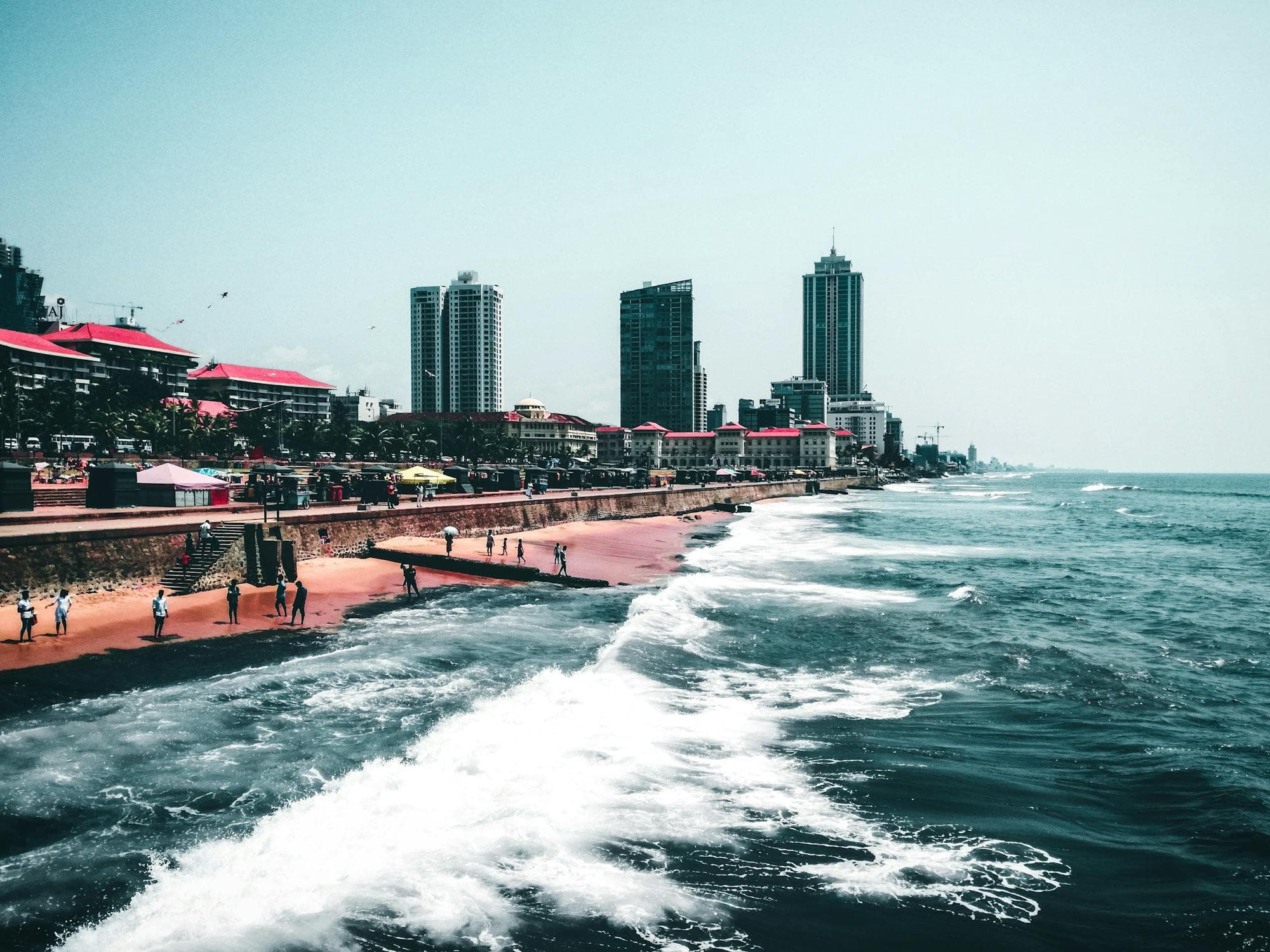
Sri Lanka
March–April, SeptemberMarch–April is Sri Lanka's whale watching shoulder season: blue whales in the deep waters off Mirissa (one of the world's best blue whale viewing locations) at their most active before the southwest monsoon arrives. Leopard viewing in Yala National Park is also excellent in the dry season shoulder.
from €78/night
Alaska (Katmai National Park)
September–OctoberSeptember is Katmai's shoulder season bear-watching window - the salmon run at Brooks Falls is underway, brown bears are feeding intensively before hibernation, and July's peak crowds have departed. Float-plane-in-only access means even peak season is manageable, but September offers the same bears at meaningfully lower prices.

Kenya (Maasai Mara)
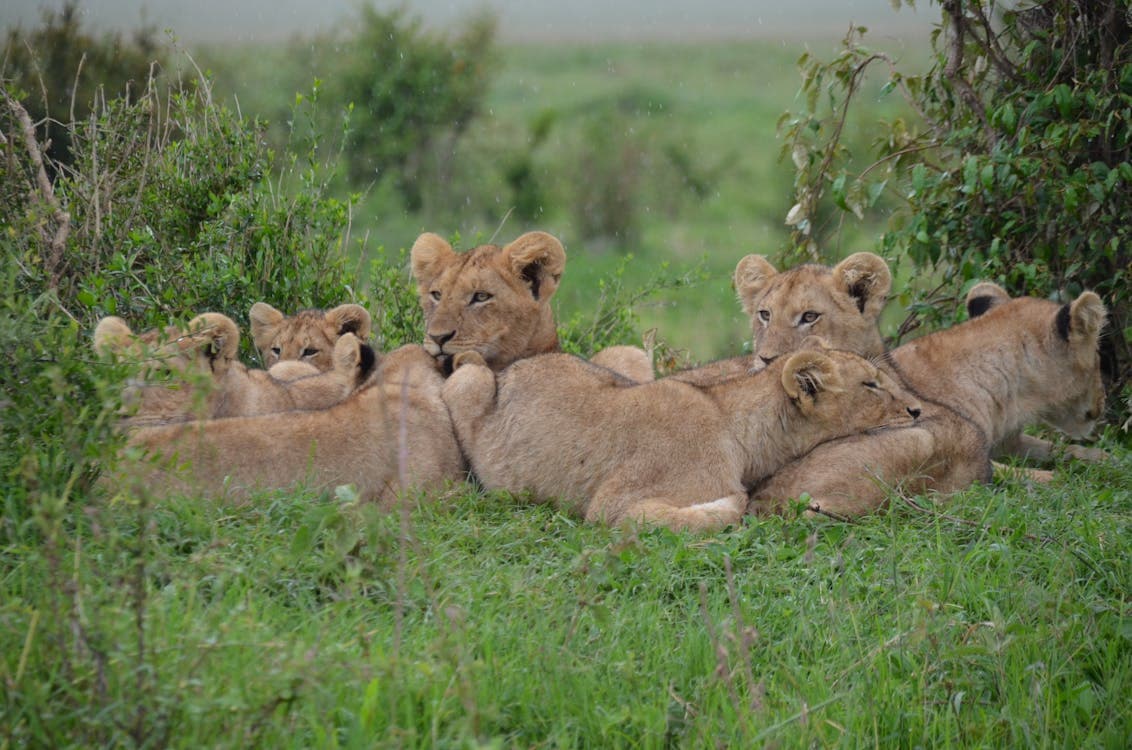
June, October–NovemberJune (dry season beginning) and October–November (post-Great Migration) offer the Mara's extraordinary predator density - the world's highest concentration of big cats - at lodge prices 20–35% below the July–August Great Migration peak. The predator experience is often more intense outside migration season.
from €90/night
All Wildlife Destinations
17 destinations - sorted by price

Salar de Uyuni
Bolivia
€50/night

Palawan
Philippines
€65/night
Palawan
Philippines
€65/night
Nairobi
Kenya
€90/night
Arenal (La Fortuna)
Costa Rica
€90/night
Cape Town
South Africa
€110/night

Patagonia
Argentina
€120/night

Garden Route
South Africa
€140/night
Atacama Desert
Chile
€140/night

Kruger National Park
South Africa
€150/night

Sossusvlei
Namibia
€160/night

Galápagos Islands
Ecuador
€180/night
Bazaruto Archipelago
Mozambique
€200/night
Maasai Mara
Kenya
€250/night

Volcanoes NP (gorilla trekking)
Rwanda
€250/night

Serengeti
Tanzania
€300/night

Okavango Delta
Botswana
€400/night
Planning Tips for Wildlife Travel in Shoulder Season
Build your itinerary around the wildlife event, not the calendar
The best wildlife travel is reverse-engineered from the event: when are the humpbacks off Tonga? When does the Serengeti calving happen? When does the flamingo breeding season peak at Lake Nakuru? Answer that question first, then look at flights.
Understand the difference between dry and green season
Dry season = better game viewing (animals concentrate at water, grass is short, tracks are good). Green season = better landscapes, baby animals, migratory birds, cheaper lodges. Both can be extraordinary - choose based on your priorities. Shoulder season combines elements of both.
Book reputable small-group safari operators for shoulder season
Shoulder season wildlife travel rewards specialist knowledge. A lodge that opens year-round knows the off-peak animal behaviour patterns. Ask specifically about the wildlife calendar for your dates - a good safari operator will tell you what you'll see, not just what the season is called.
Don't sacrifice quality for price in wildlife travel
The difference between a $300/night lodge and a $900/night lodge in terms of wildlife experience is often dramatic: vehicle exclusivity at sightings, guide quality, and conservation area access. Shoulder season discounts at top lodges can bring the $900 lodge within reach - better value than budget lodges at peak prices.
Wildlife doesn't schedule its most extraordinary moments for human peak season. The wildebeest cross the Mara River in July whether the lodges are full or not. The humpback whales arrive off Tonga on their own schedule. The shoulder season safari is built around the wildlife calendar rather than the tourism one - and the result is often the better experience, at the lower price. Come when the animals are there.
Frequently Asked Questions
When is the best time for an East African safari?
For the Great Wildebeest Migration specifically: river crossings happen July–October. For general predator viewing: the whole dry season (June–October) is excellent. June and October are the strongest shoulder season months - dry season game viewing conditions with prices 20–30% below July–August peak. November–March (green season) has baby animals, lush landscapes, and the lowest lodge prices.
Is the green season worth visiting East Africa?
Yes, with managed expectations. Green season (November–March in East Africa) has: baby animals (wildebeest calving in Tanzania in January–February), lush landscapes, half-price lodges, and migratory birds. Game viewing is harder (tall grass, animals dispersed from waterholes) but sightings are often more intimate. Professional wildlife photographers often prefer green season light.
When is the best time for whale watching?
Destination-specific: Humpbacks off Tonga (July–October) - peak July–September. Grey whales in Baja California (January–March) - peak February. Blue whales off Sri Lanka (March–April). Orcas in the San Juan Islands (June–September). Humpbacks off the Hawaiian islands (January–March). Each location has a specific window - research the migration calendar for your destination.
What is the best wildlife destination for shoulder season?
Kenya's Maasai Mara in October–November is the standout: the Great Migration has concluded but the Mara retains its extraordinary predator density (cheetahs, lions, leopards) without the July–August migration crowds and premium pricing. Lodge rates drop 25–35% while the wildlife experience remains world-class.
Are the Galápagos Islands worth visiting in shoulder season?
Yes - May–June and November–December offer excellent wildlife viewing at lower prices. The resident species (sea lions, marine iguanas, giant tortoises, frigate birds) are present year-round. Sea temperature and weather vary by season but the Galápagos wildlife experience is consistently extraordinary. Shoulder season boats are 20–30% cheaper than July–August peak.
Can I see the Northern Lights in shoulder season?
Northern Lights (Aurora Borealis) require darkness and solar activity - both of which peak in autumn and winter shoulder seasons. September is the first month of reliable aurora viewing in Iceland and northern Scandinavia as nights lengthen after the summer solstice. October is excellent. March is the last strong month before midnight sun begins. September and October are the best combination of aurora probability and manageable temperatures.
How much cheaper is shoulder season - really?
Our Shoulder Season Price Report analyses hotel prices across 110 destinations. Flights are 37% cheaper, hotels drop 20–50%, and September is the world's most valuable travel month.
Browse Other Trip Types
Find Your Perfect Timing
Filter all destinations by month, temperature, region, and budget.
Use the Destination Finder →