
Best Family Travel Destinations in Shoulder Season
Family travel is transformed by timing. In shoulder season, the wildlife safari has fewer vehicles and more sightings. The beach has space for children to actually play. The museum queue takes 15 minutes rather than 90. And the hotel costs 25–35% less - money that goes towards the experiences rather than the room. These are the world's best family destinations, best visited in shoulder season.
Why Shoulder Season?
Family travel in peak season has a specific problem that solo and couples travel doesn't: children have less patience for the practical difficulties of crowds. An hour queuing for the Colosseum in 35°C heat is miserable for adults; for children it's a holiday-ending experience. Shoulder season reduces every practical difficulty of family travel - the queues, the heat, the cost - without reducing what makes great destinations extraordinary.
Queues are shorter - and children's patience is finite
A 90-minute queue for the Colosseum in August versus a 15-minute queue in October makes a fundamental difference to the family travel experience. Children's tolerance for waiting, heat, and crowd pressure is genuinely lower than adults'. Shoulder season removes the variable that most commonly ruins family holidays at peak destinations.
Beaches are safe for children
Peak season beaches at popular Mediterranean destinations have a specific problem for families: the sheer density of people makes it genuinely difficult to monitor children in the water and on the sand. September and May beaches - warm water, significantly fewer people, space to actually set up a family camp - are far safer and more enjoyable.
Children's sleep schedules are respected
Peak season family travel at many resort destinations involves noise, crowds, and activity until late at night. Shoulder season destinations are quieter in the evenings - children can actually sleep without earplugs, and parents can have a conversation after they do.
Wildlife is better for children in shoulder season
The best wildlife family experiences - the Serengeti in October, the Galápagos in May, whale watching in September - happen in shoulder season because the wildlife calendar operates independently of the tourism one. Children's wildlife encounters are often more meaningful than adults' because they're first experiences; shoulder season makes them the best possible first encounters.
The budget frees up for the experiences that matter
A family of four paying 30–40% less for accommodation and flights in shoulder season saves €600–1,200 on a two-week European trip. That's the dolphin-watching trip, the cooking class, the extra night at the castle hotel, and the dinner everyone actually wanted. Shoulder season converts accommodation savings into experience budget.
Top Family Destinations for Shoulder Season
Costa Rica
May–June, December–JanuaryMay–June is Costa Rica's green season shoulder - the dry-season crowds have gone, accommodation prices drop 25–30%, and the wildlife (sloths, toucans, howler monkeys, sea turtles nesting) is extraordinary. The rain is usually afternoon-only; mornings are clear for wildlife tours and canopy walks.

Japan (theme parks + culture)
May, OctoberMay (post-Golden Week) is the finest family Japan month: DisneySea and Disneyland at 70% of peak capacity, Ueno Zoo and Akihabara at manageable crowds, and the country's extraordinary child-friendly infrastructure - playgrounds everywhere, conveyor belt sushi, and a remarkable culture of patience with families - at prices 20–30% below cherry blossom season.
from €115/night
Tanzania (family safari)
June, October–NovemberOctober is an extraordinary family safari month in Tanzania: the Great Migration has just concluded in the Serengeti, lion cubs from July litters are at their most playful and visible, wildebeest calving begins in the south, and lodge prices are 20–30% below July–August peak. Many lodges specifically programme for families in shoulder season.
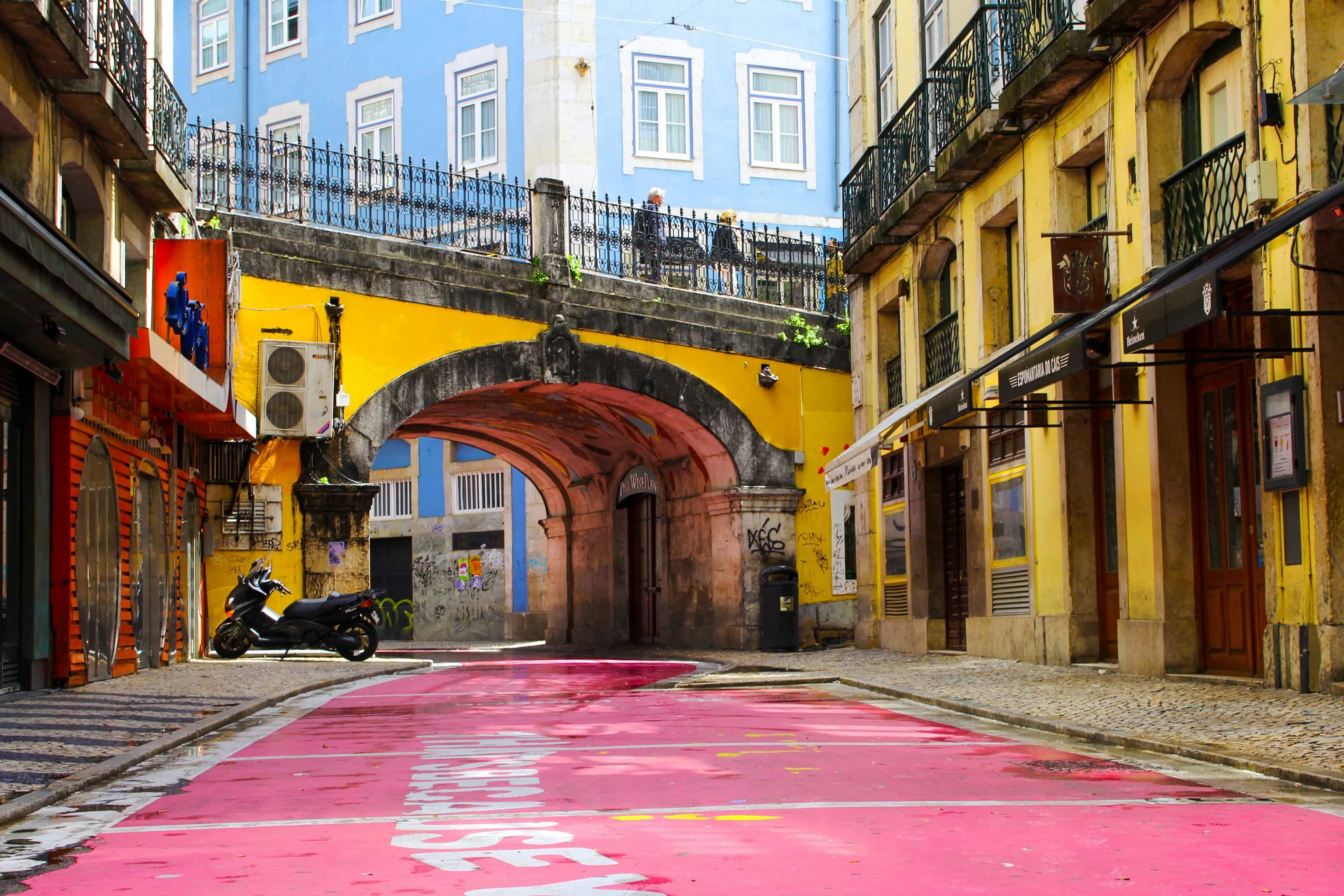
Algarve, Portugal
June, SeptemberJune and September are the Algarve's finest family months: school's out or just back, ocean water at 20–22°C, cliff and sea cave boat tours available without booking weeks ahead, and hotel prices 25–35% below August. The beach infrastructure - café-bars, safe swimming areas, playgrounds - is fully operational.
from €130/night
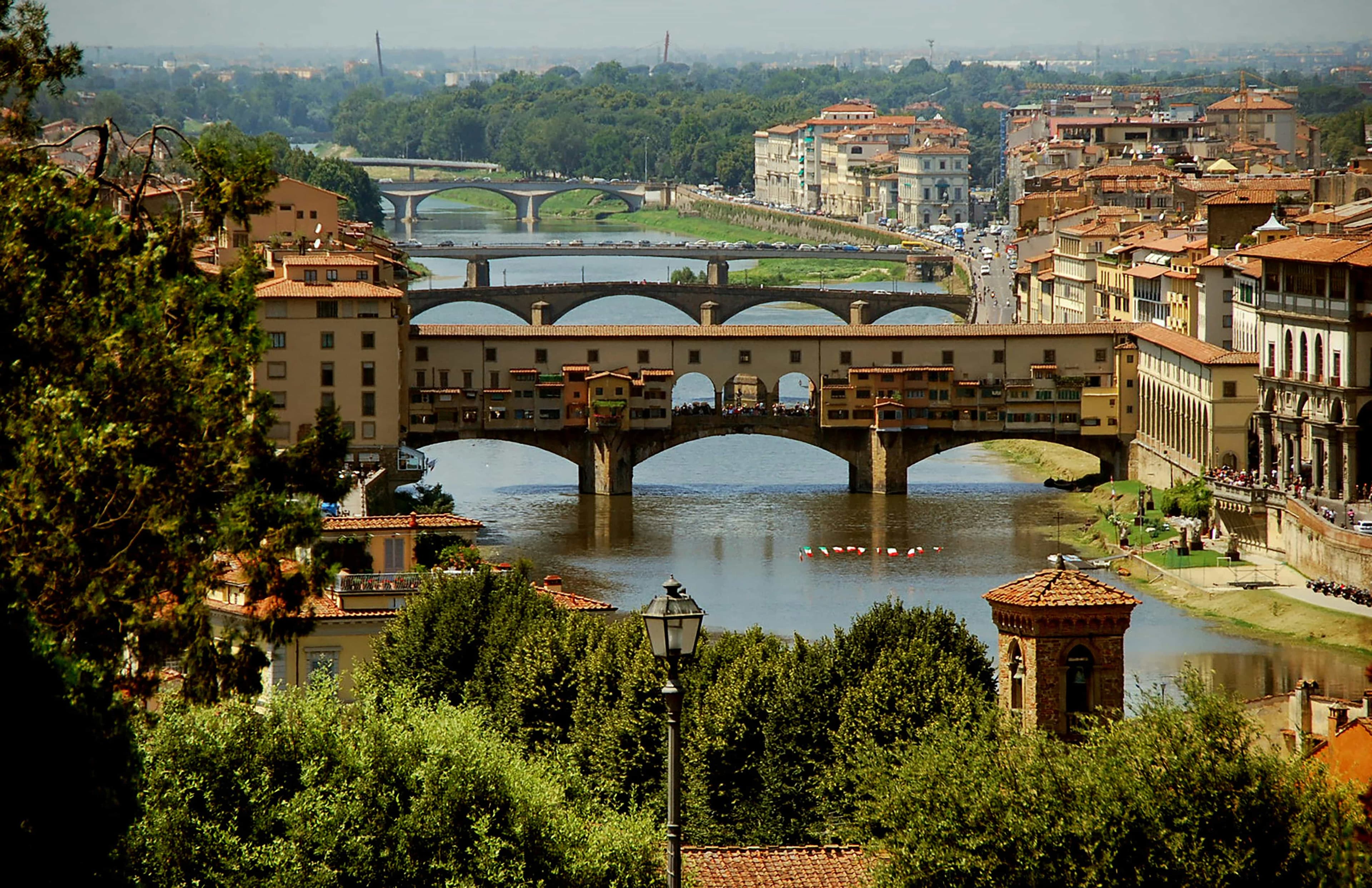
Tuscany, Italy
May, September–OctoberMay in Tuscany for families: the Uffizi and Accademia have manageable queues, the agriturismo (farm stay) experience is at its most vivid with spring lambs and flowers, the Leaning Tower of Pisa doesn't have a three-hour wait, and Florence's extraordinary piazzas are comfortable at 20–24°C rather than July's 36°C.
from €170/night

Barcelona, Spain
May, SeptemberMay and September in Barcelona combine Gaudí architecture (Sagrada Família and Park Güell with available time slots), the beach at 22–24°C, and a city that genuinely welcomes children at every pavement café and restaurant. The La Mercè Festival in late September adds free outdoor entertainment across the city.
from €160/night
All Family Destinations
11 destinations - sorted by price

Bali
Indonesia
€65/night

Koh Samui
Thailand
€80/night

Sal & Boa Vista
Cape Verde
€100/night

Florianópolis
Brazil
€100/night

Cancún
Mexico
€140/night

Montego Bay
Jamaica
€150/night

Singapore
Singapore
€155/night
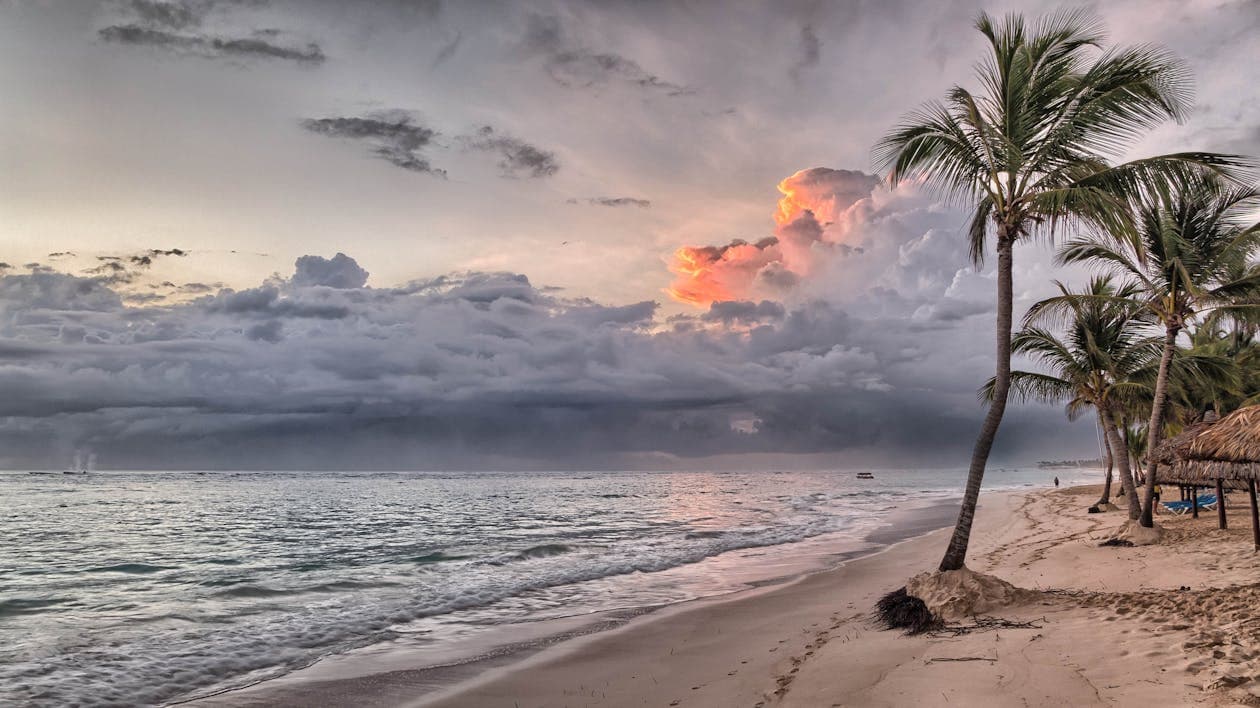
Punta Cana
Dominican Republic
€160/night
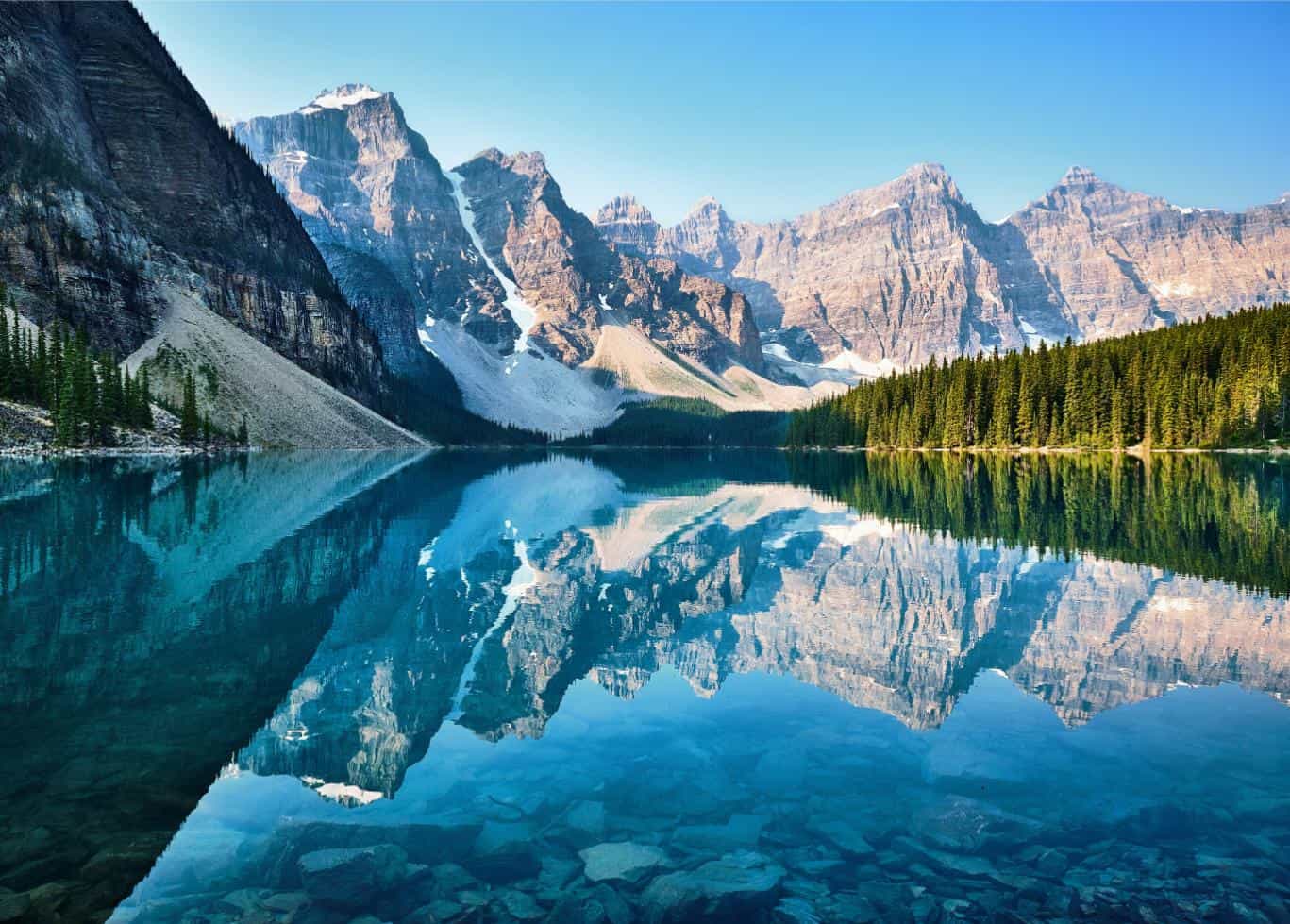
Banff (Rockies)
Canada
€160/night

Sydney
Australia
€165/night

Honolulu
USA
€185/night
Planning Tips for Family Travel in Shoulder Season
Choose accommodation with a kitchen for longer family trips
Self-catering accommodation in shoulder season drops 25–35% from peak. Having a kitchen transforms family travel: breakfast at your own pace, children's food preferences accommodated, and the flexibility to eat dinner at 6pm rather than 9pm. Book an apartment or villa rather than a hotel for trips of 5+ nights.
Pre-book child-specific experiences as the priority
The best family experiences - dolphin watching in the Algarve, wildlife game drives in Tanzania, cooking classes in Tuscany - still need advance booking in shoulder season. Prioritise these over accommodation in your planning sequence: they're why you came.
Plan for the afternoon rest, not through it
Every great family travel destination has a midday lull that children need and adults benefit from. Build the afternoon rest into the itinerary rather than trying to keep going through it. Museums after 3pm when the tour groups have left; beach from 5–7pm when the sun has softened.
Research child-friendly restaurant timing for your destination
Mediterranean dining times (dinner from 9pm in Spain, 8pm in Italy) are incompatible with young children's schedules. In shoulder season, the best restaurants often have earlier sitting availability that peak season forecloses. Ask specifically for a 7pm table - possible in October in Rome; impossible in August.
Use the school holiday shoulder window
The week after the UK and US school summer breaks end (mid-August to late August) and the week before they begin (late June) are classic shoulder season windows for family travel - the crowds have gone but the summer infrastructure is still fully operational. This is often the best family value of the year at beach destinations.
Family travel in shoulder season is the closest thing to having it both ways - the extraordinary experiences that great destinations offer, at prices that don't require sacrificing the whole budget, and without the crowd-management that turns peak season family travel into an endurance event. The world's best family destinations are genuinely better in shoulder season: the beaches are more accessible, the wildlife more viewable, the cultural experiences more immersive, and the children have more space to be children. That's worth planning for.
Frequently Asked Questions
When is the best time to take children to Italy?
May is Italy's best family month: the Colosseum queue is 15 minutes rather than 90, the Uffizi is accessible, and temperatures of 22–26°C are ideal for children. September is the autumn equivalent. August with children in Rome or Florence is possible but genuinely difficult - the heat, crowds, and Ferragosto closures create real practical challenges.
What is the best family safari month in East Africa?
October–November is the standout family safari shoulder season: the Great Migration's river crossings have just concluded, lion cubs from the July litter are at their most active and visible, and many lodges programme specifically for families in the lower-density shoulder season. Lodge prices are 20–30% below July–August peak.
Is Japan child-friendly in shoulder season?
Japan is one of the world's most child-friendly countries year-round - the infrastructure for families is extraordinary. May (post-Golden Week) is the finest family Japan window: the theme parks are at 70% of peak capacity, the cultural sites are accessible without extreme crowds, and the country's remarkable patience and care for children as part of every public experience is most apparent when they're not overwhelmed by tourist volumes.
What are the best beach destinations for families in shoulder season?
The Algarve (June and September), Dubrovnik area (May and September), and the Greek islands of Naxos and Crete (May and late September) are consistently the strongest family beach shoulder season propositions: warm water, sand suitable for children, fully operational beach infrastructure, and prices 25–35% below peak August.
Is Costa Rica good for families in shoulder season?
Yes - May–June is Costa Rica's best family value window. The wildlife is extraordinary year-round (sloths, monkeys, sea turtles, toucans, and hundreds of bird species), the dry-season tourist peak has passed with prices following, and the green season rains are typically afternoon-only. The zip-lining, nature reserve, and wildlife sanctuary infrastructure are all designed for families.
How much cheaper is family travel in shoulder season?
For a family of four, the saving is substantial: a two-week European trip in October versus August typically saves €800–1,500 on accommodation and €400–800 on flights. A Tanzanian safari in October versus July saves 25–35% on lodge costs - a meaningful saving at prices where even modest reductions matter. The saving funds 3–4 additional days or the specific experiences that make the trip memorable.
How much cheaper is shoulder season - really?
Our Shoulder Season Price Report analyses hotel prices across 110 destinations. Flights are 37% cheaper, hotels drop 20–50%, and September is the world's most valuable travel month.
Browse Other Trip Types
Find Your Perfect Timing
Filter all destinations by month, temperature, region, and budget.
Use the Destination Finder →