
Best Beach Destinations in Shoulder Season
The beach in shoulder season is one of travel's most underrated experiences. The sea is often warmer after peak summer than during it - the Mediterranean hits 24°C in September, weeks after the August crowds have left. The sand is yours. The beachside restaurants have tables, take reservations, and actually want to cook for you. Shoulder season beach travel is the version of the holiday the brochure photographs actually depict - and that peak season visitors almost never find.
Why Shoulder Season?
Peak beach season - July and August in the Mediterranean, December in the Indian Ocean - brings warm water, guaranteed sun, and the most expensive, most crowded version of every destination simultaneously. The Amalfi Coast becomes gridlocked. Santorini's sunset requires arriving two hours early. Shoulder season breaks this equation: the sea stays warm for weeks after the crowds leave, prices drop 30–40%, and the destination becomes what it was supposed to be.
The sea is warmest after summer, not during it
The Mediterranean reaches its peak water temperature in late August and September - not July. The Aegean at Santorini hits 24°C in late September, warmer than any week in June. Algarve ocean temperatures peak in August–September at 20–22°C. You can often swim more comfortably in the weeks after peak season than during it.
Prices drop 30–50% without the crowds
European beach hotels drop 30–50% between August and October. A villa fully booked at €400/night in July is available at €200 in September. The Algarve, Dubrovnik, and Santorini all follow this pattern - identical beach, fraction of the price.
The beach actually looks like the photograph
The photographs that made you want to visit Positano, Ipanema, or Koh Samui were not taken in peak season. They were taken in the quiet months - when the sand is visible, the water is clear, and the only people in frame are the ones who knew when to come.
Restaurants and boat tours are bookable
The best beachside restaurant on the Amalfi Coast is fully booked six weeks ahead in August. In September, you can often walk in. Boat tours to Capri, the Benagil Cave, and Phi Phi Islands all have space. Water sports operators compete for your business rather than managing a queue.
The light is extraordinary in shoulder season
Autumn and spring light at beach destinations has a warmth and quality that the harsh overhead sun of peak summer doesn't. Golden hour at Oia in September lasts twice as long as in July. The Algarve cliffs in May glow amber. Spring light on Dubrovnik's walls is unlike any other time of year.
Top Beach Destinations for Shoulder Season

Santorini, Greece
May, September–OctoberSeptember is Santorini's finest month - the Aegean reaches 24°C, hotels drop 35–40% below August rates, the wine harvest has just ended for the best assyrtiko tastings, and the Oia sunset can be watched rather than queued for.
from €180/night
Amalfi Coast, Italy
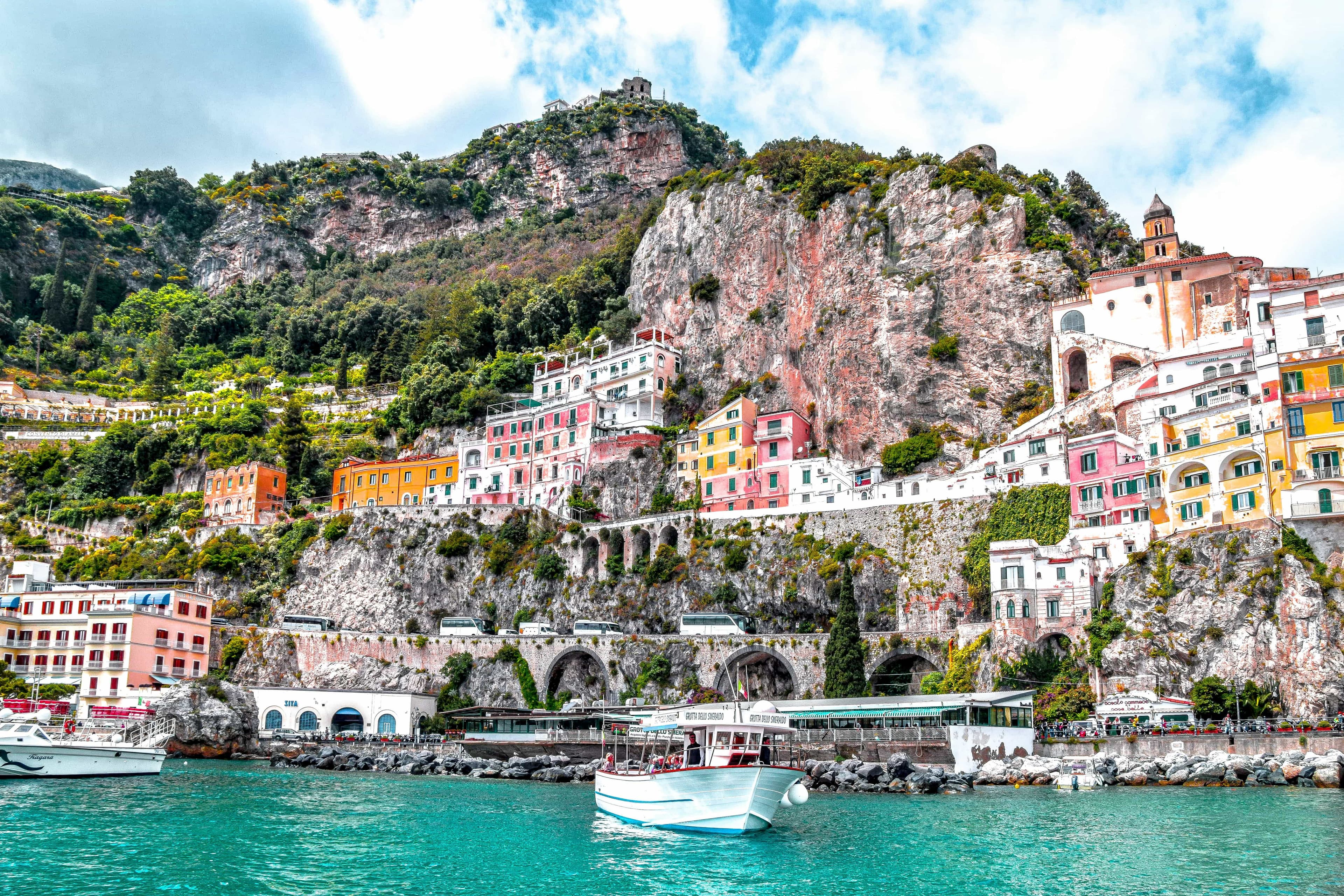
May, September–OctoberIn May and September the same turquoise water and pastel villages exist - but the road is driveable, tables are available, and prices are 30–40% lower. September sea temperatures hit 24°C, warmer than any week in July.
from €195/night

Bali, Indonesia
April–May, SeptemberMay and September sit either side of Bali's July–August peak. The sea is 28°C year-round; the landscape is at its most vivid green in May. Terraced rice fields, surf breaks, and temple culture all accessible without the high-season tourist density.
from €65/night
Dubrovnik, Croatia
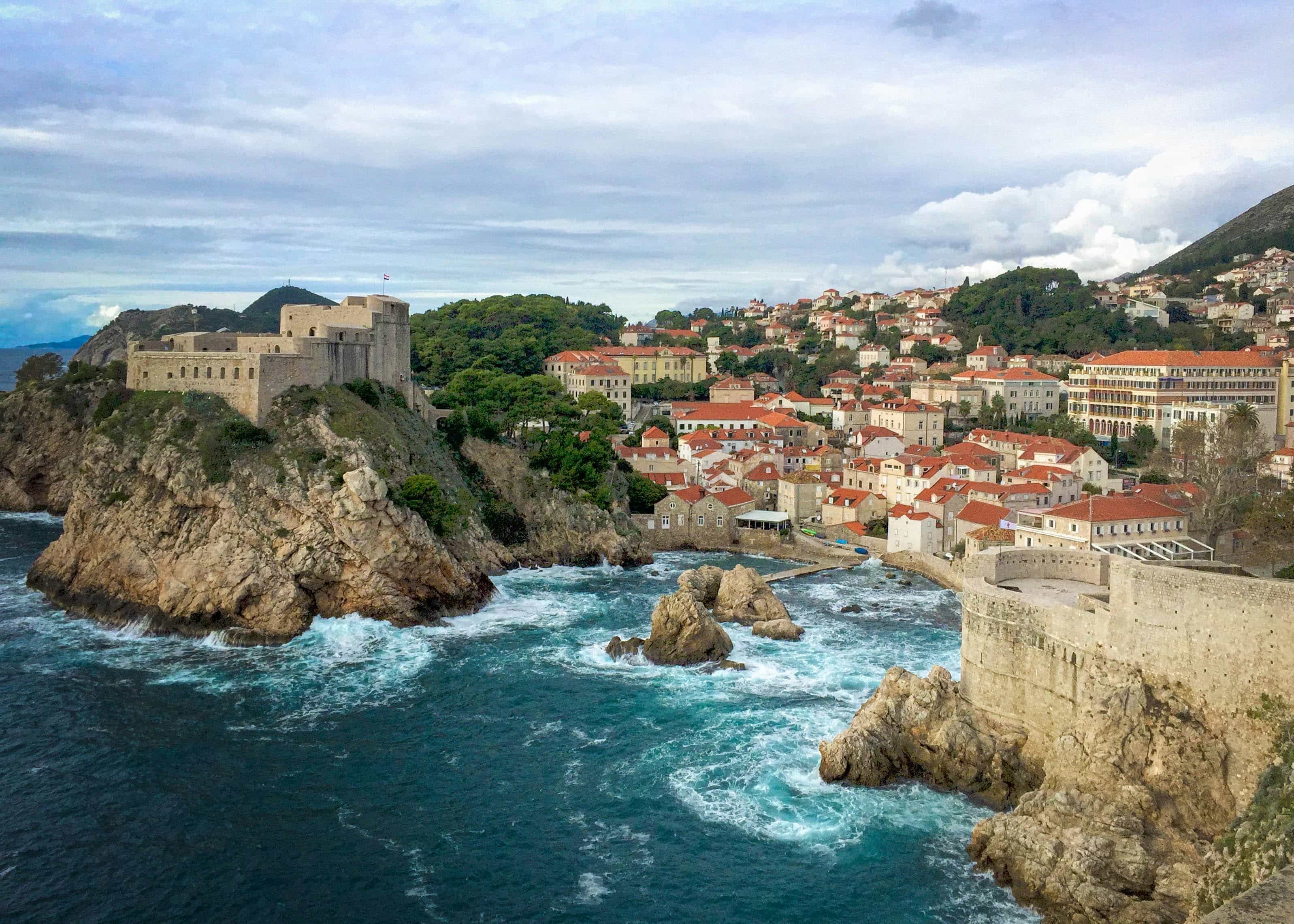
May–June, September–OctoberIn May and September, the same extraordinary walled city and warm Adriatic Sea with a fraction of the cruise ship day-trippers. May brings spring wildflowers on the surrounding hills; September has sea at its warmest (24°C).
from €165/night
Algarve, Portugal
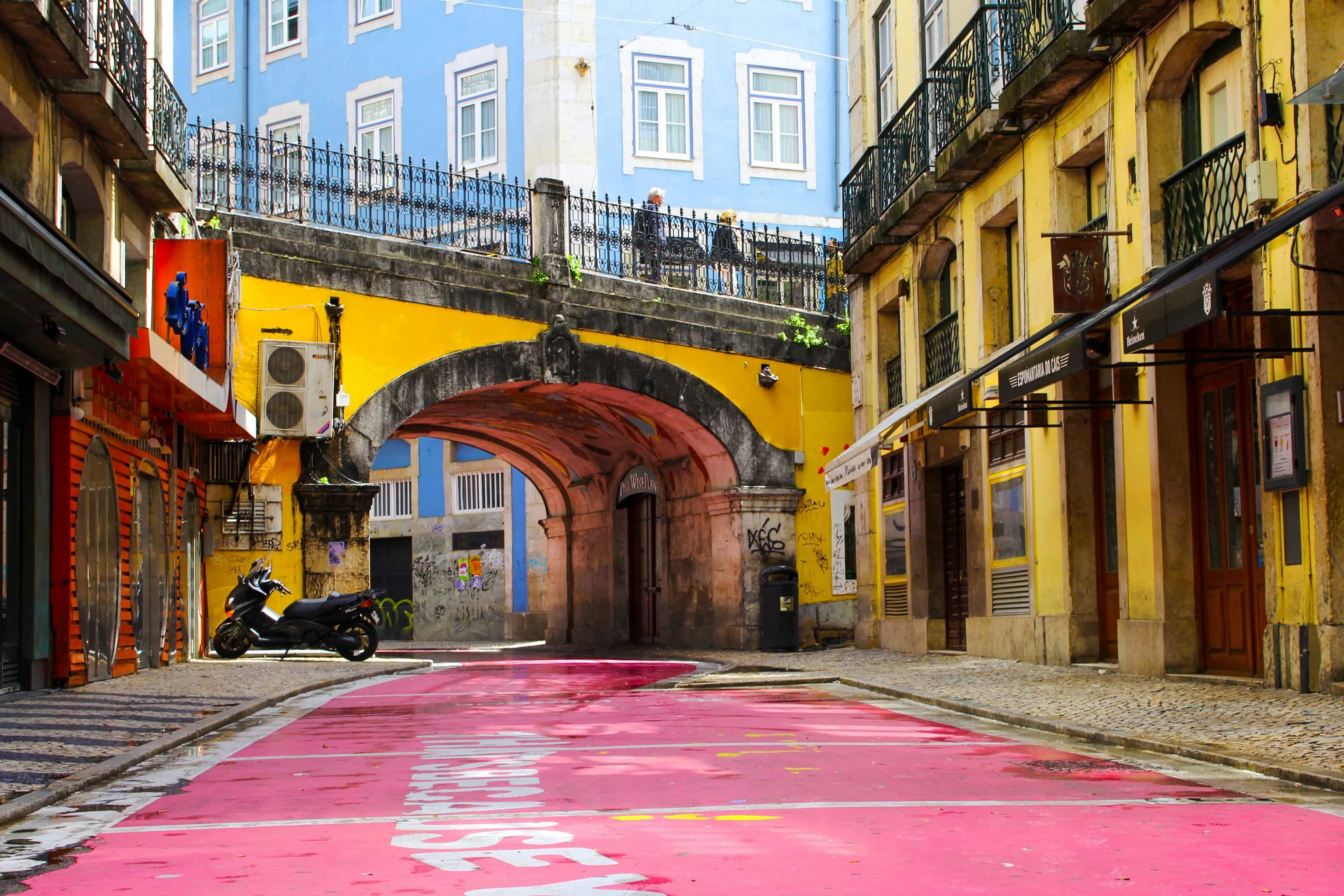
May–June, SeptemberPortugal's golden limestone cliffs and sea caves at their most dramatic in May - 22–24°C temperatures, hotel prices 25–30% below the July–August peak, and the Benagil Cave accessible without booking weeks ahead.
from €130/night
Koh Tao, Thailand
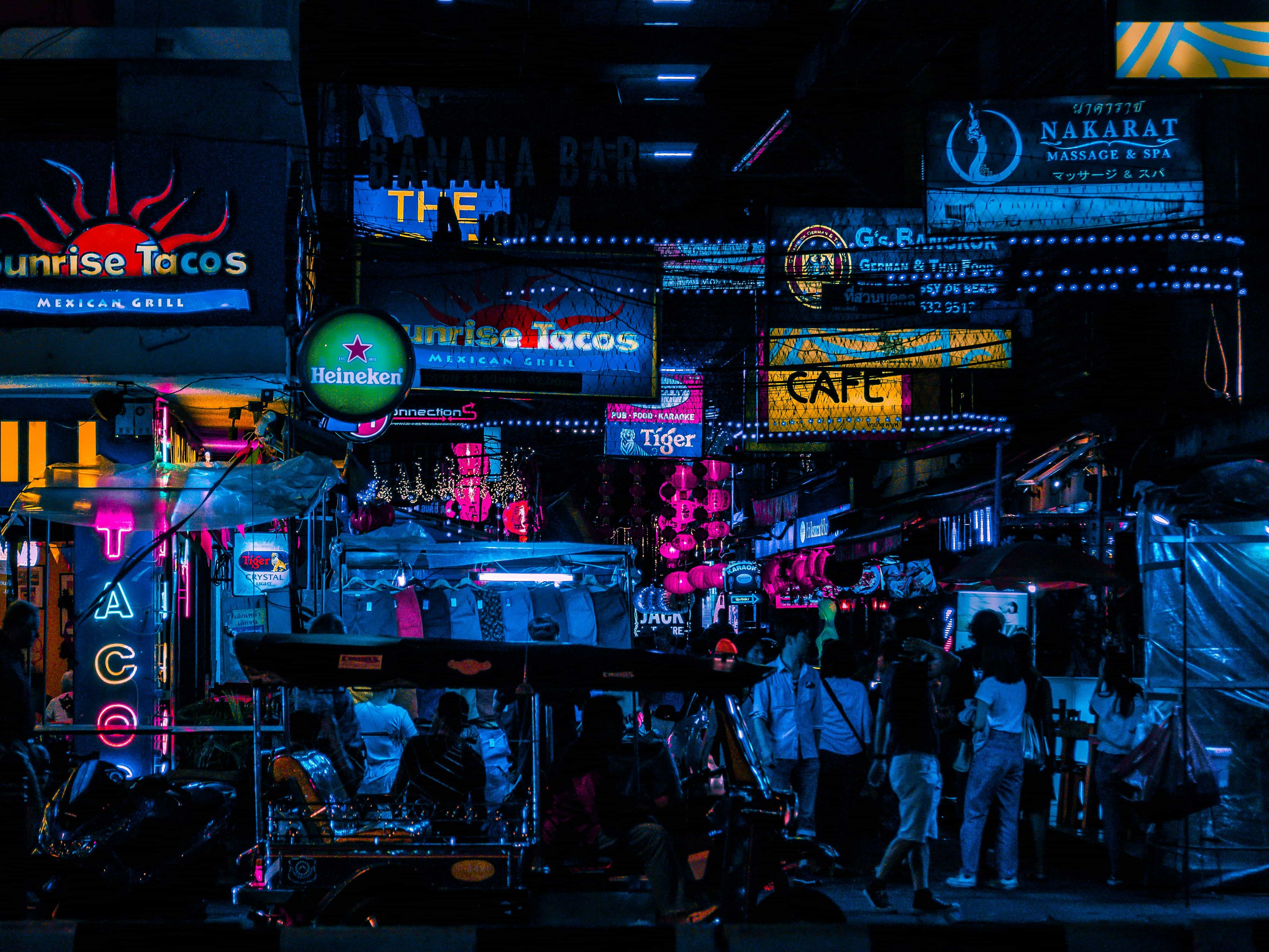
March–May, OctoberThe Gulf coast's best diving island. January–September is the dry season on this side of Thailand, with November–February being peak. March–May is excellent shoulder season: dive visibility superb, resorts at 70% capacity, prices meaningful lower than December–January.
from €75/night
All Beach Destinations
26 destinations - sorted by price

Hoi An
Vietnam
€45/night

Nabeul (Cap Bon)
Tunisia
€60/night

Palawan
Philippines
€65/night
Bali
Indonesia
€65/night
Palawan
Philippines
€65/night

Goa
India
€70/night
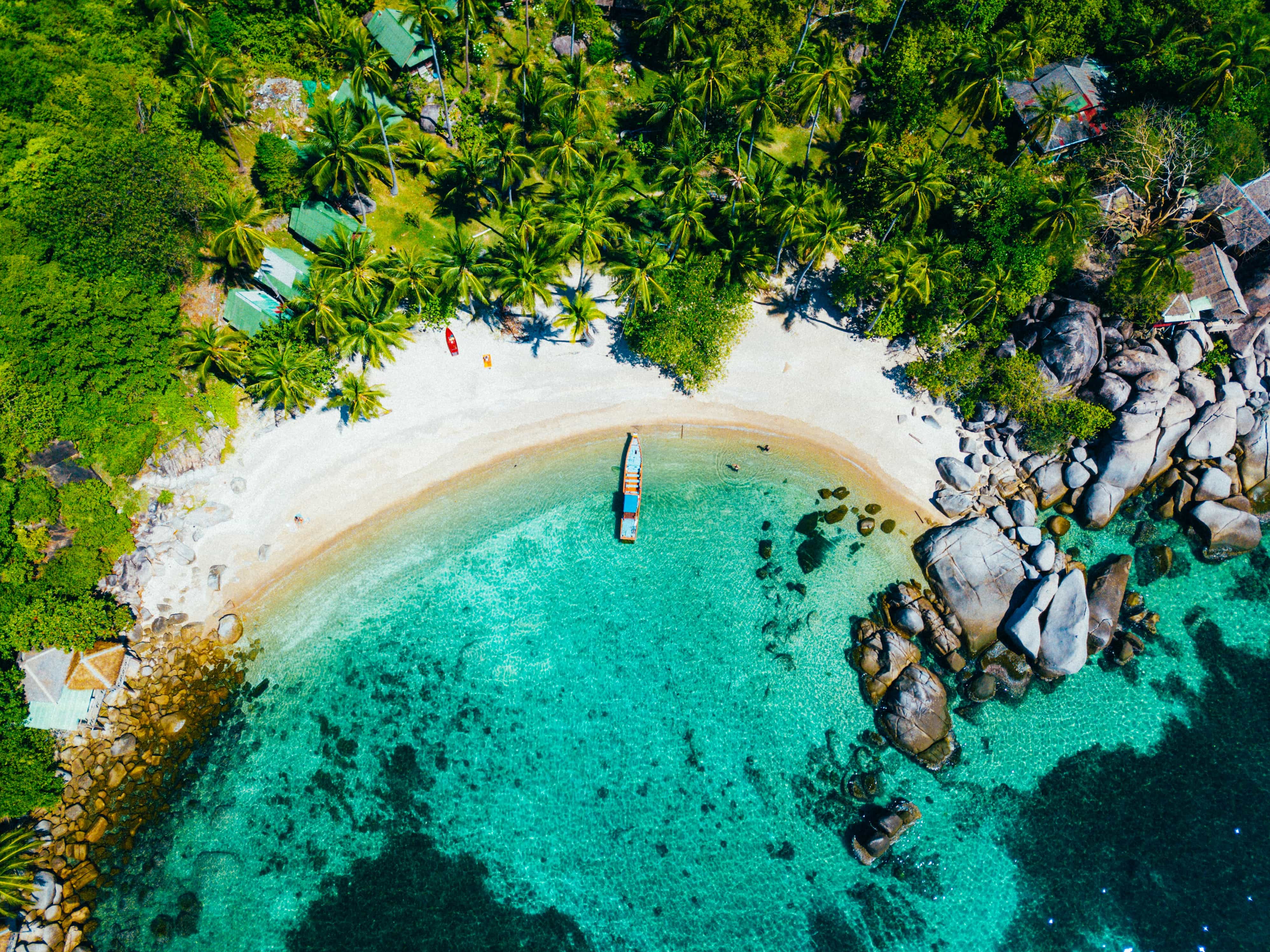
Koh Samui
Thailand
€80/night

Jeju Island
South Korea
€80/night

Sal & Boa Vista
Cape Verde
€100/night

Florianópolis
Brazil
€100/night

Zanzibar
Tanzania
€105/night

Cape Town
South Africa
€110/night

Cartagena
Colombia
€110/night

Port Louis
Mauritius
€130/night

Garden Route
South Africa
€140/night

Cancún
Mexico
€140/night

Vancouver
Canada
€145/night

Montego Bay
Jamaica
€150/night

Rio de Janeiro
Brazil
€150/night

Barcelona
Spain
€160/night
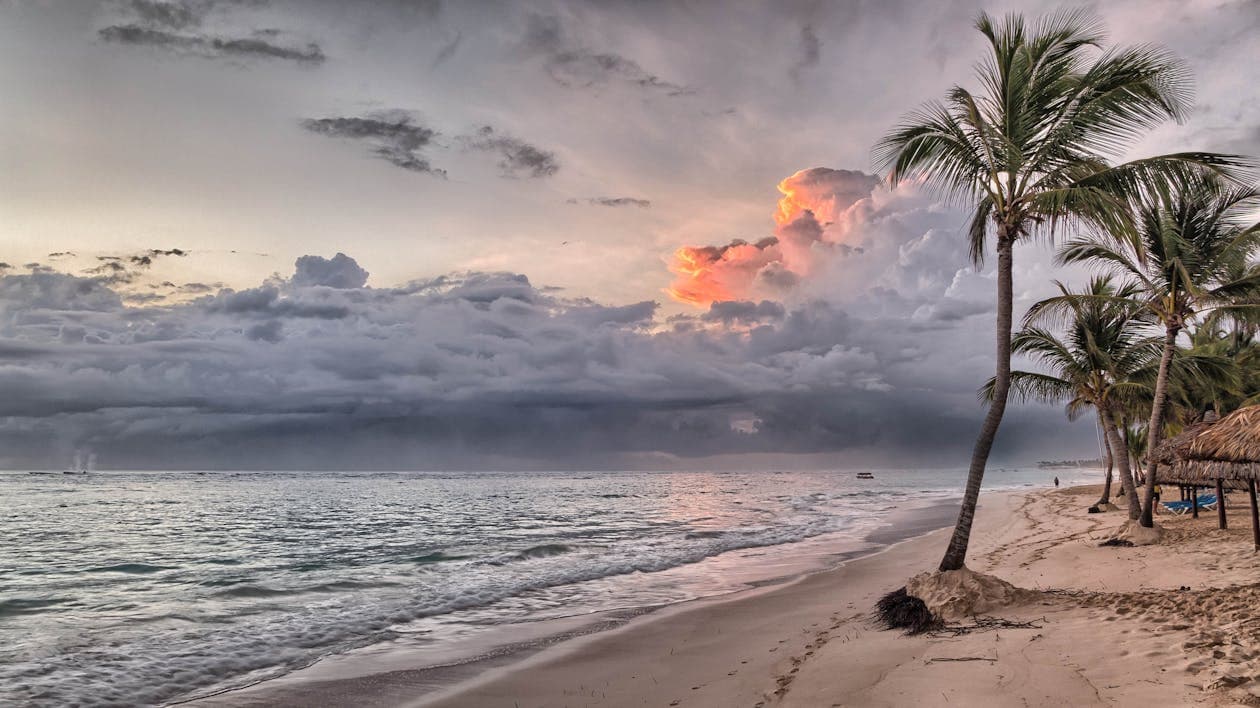
Punta Cana
Dominican Republic
€160/night

Sydney
Australia
€165/night
Santorini
Greece
€180/night

Honolulu
USA
€185/night
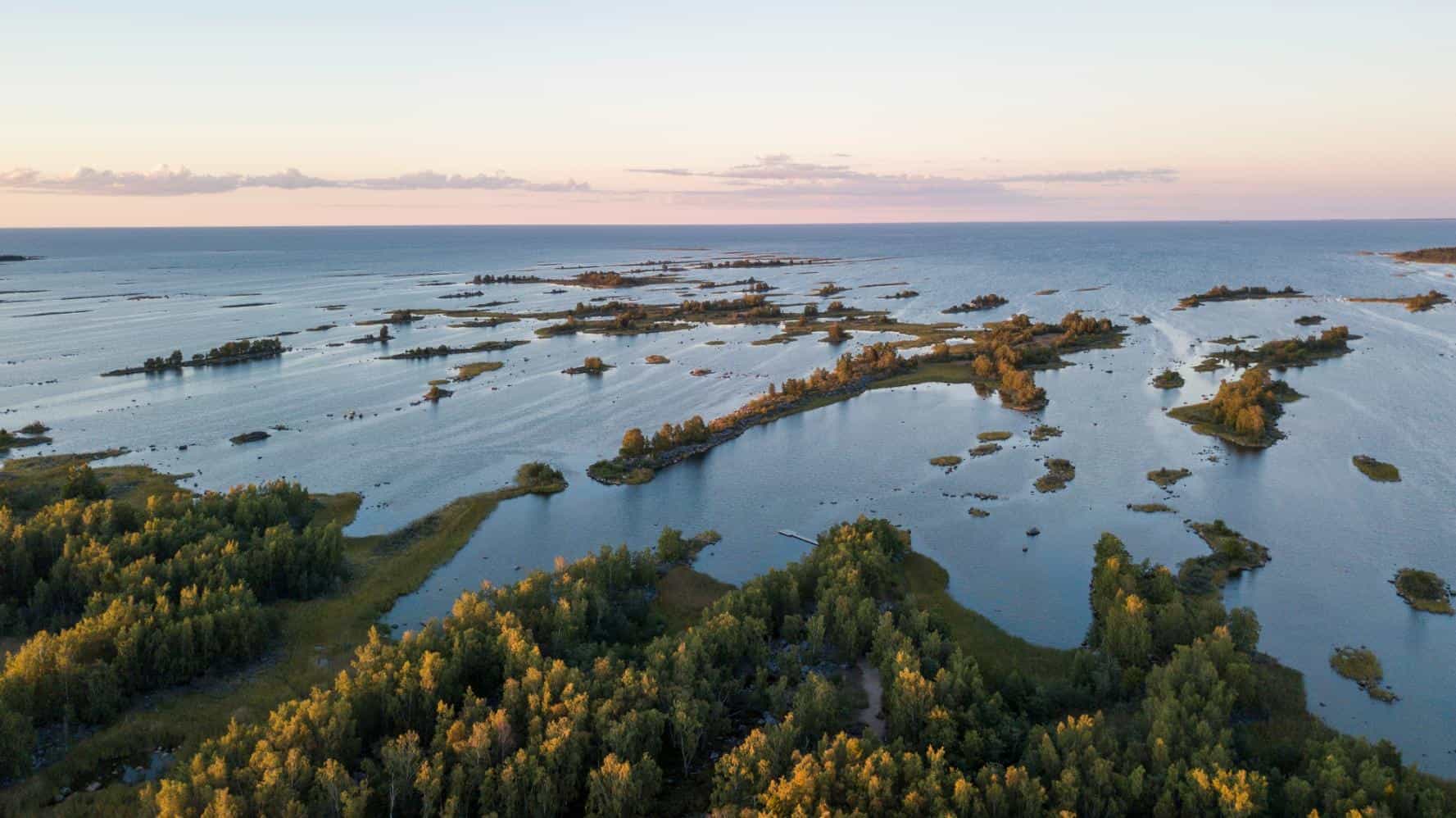
Bazaruto Archipelago
Mozambique
€200/night
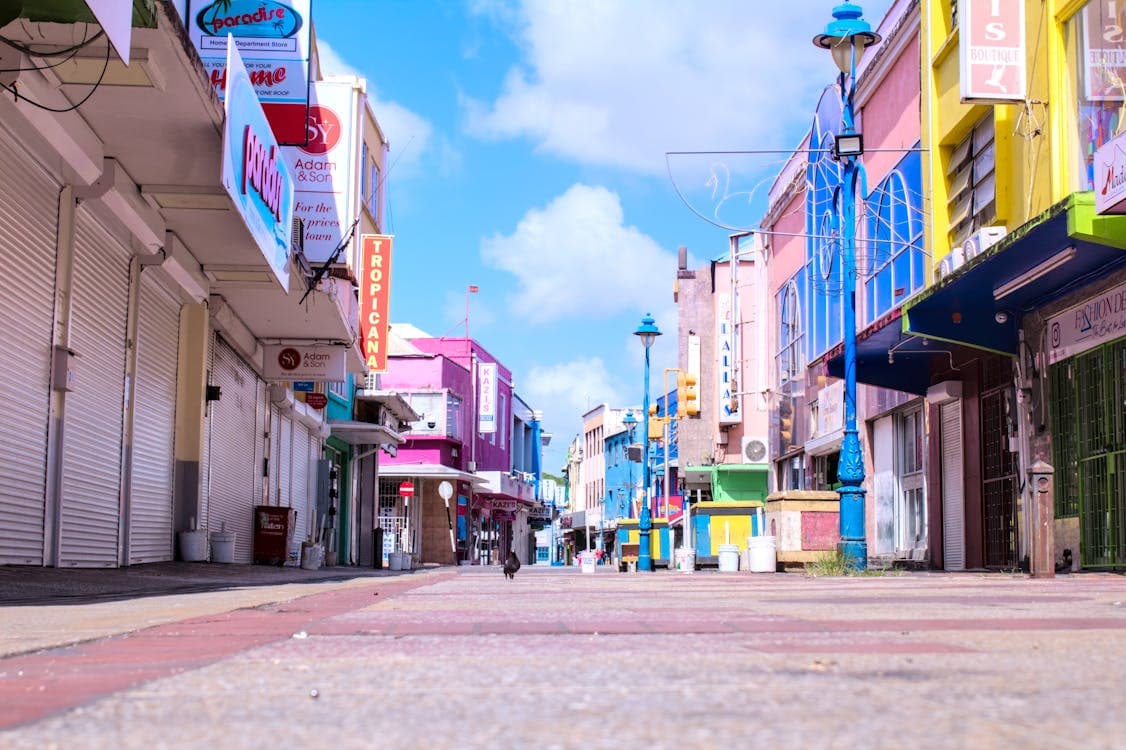
Bridgetown
Barbados
€250/night
Planning Tips for Beach Travel in Shoulder Season
Check sea temperatures, not just air temperatures
Sea temperatures lag behind air by 4–6 weeks. September and October often have warmer swimming conditions than June and early July at Mediterranean destinations. Use sea temperature data from seatemperature.org for your specific beach.
Book boat tours in advance even in shoulder season
The best cave tours, island-hopping trips, and sunset cruises still fill up in shoulder season. Book 1–2 weeks ahead rather than the 4–6 weeks required in peak season - but don't assume you can simply walk up.
Know your destination's specific shoulder window
Mediterranean shoulder season runs April–May and September–October. Tropical beach destinations (Bali, Thailand, Caribbean) have opposite-hemisphere monsoon logic - check the specific coast. Andaman Thailand (Phuket) is best November–April; Gulf Thailand (Koh Samui) is best January–September.
Watch for restaurant and resort closures in late October
Seasonal Mediterranean beach destinations begin closing from late October. The September–mid October window has everything open; late October to early November can feel patchy, especially on smaller Greek islands.
Factor in the post-peak price cliff
Many destinations see prices drop sharply around the European school return (mid-September). A hotel that costs €250/night on September 5 may cost €160/night on September 15 - the same sunshine, the same sea, 35% cheaper.
The best beach holidays happen in shoulder season. The Aegean is warmest in September. The Algarve cliffs are most dramatic in May. The Amalfi Coast road is driveable in October. The sea doesn't know it's shoulder season. The restaurants have tables. The hotels have rooms at prices that leave budget for the trip itself - not just the accommodation.
Frequently Asked Questions
Is the sea warm enough to swim in September and October?
For Mediterranean destinations, September and October are often the best swimming months. The Aegean averages 24°C in September - warmer than June (20°C). The Adriatic, Amalfi, and Algarve all reach their annual peak sea temperatures in August–September and stay warm through October. Greek islands, Dubrovnik, and the Algarve are all excellent for swimming in early October.
Which beach destination has the best shoulder season?
Santorini in September is the standout - warmest Aegean sea of the year, hotels 35–40% below August, Oia sunset watchable without queuing. Dubrovnik in May and September runs close behind: the same old city walls and Adriatic at a fraction of the peak-season cruise ship crowd. For a longer season, the Algarve in Portugal has swimmable conditions from May through October.
Are beach resorts open in shoulder season?
At major Mediterranean destinations, virtually all beach facilities are fully operational in May and September. In October, larger resorts stay open while smaller seasonal establishments begin closing - particularly on smaller Greek islands (Mykonos, Santorini) from late October. Croatia and Turkey stay open later into autumn. The Algarve and Spain's coasts stay largely open year-round.
When is the worst time to visit a beach destination?
August at Mediterranean beaches combines maximum crowds, maximum prices (30–50% above shoulder season), maximum heat (35°C+), and peak Meltemi winds on the Aegean. Ferragosto (August 15) in Italy adds domestic holiday traffic. If you must go in August: accept the costs, book everything months ahead, and plan activities for early morning and evening.
What's the best beach destination for shoulder season on a budget?
Portugal's Algarve in May–June is Europe's strongest budget beach proposition: €15–25/night hostel beds, €120–160/night decent mid-range hotels (vs €200–250 in August), warm enough to swim from mid-May, and some of Europe's most dramatic coastal scenery. Croatia in May is similarly strong. For tropical beach budget travel, Koh Tao in March–April (Gulf coast Thailand) is excellent value.
Is it worth visiting Bali in shoulder season?
Yes - May and September are arguably Bali's best months. The rice terraces are vivid green after the wet season ends, temperatures are 28–30°C, and tourist density is 30–40% below the July–August peak. Surf conditions in May are excellent on the west coast breaks (Kuta, Seminyak). September sees the island at its most lush. Hotel prices drop meaningfully from the high-season peak.
How much cheaper is shoulder season - really?
Our Shoulder Season Price Report analyses hotel prices across 110 destinations. Flights are 37% cheaper, hotels drop 20–50%, and September is the world's most valuable travel month.
Compare Destinations
Browse Other Trip Types
Find Your Perfect Timing
Filter all destinations by month, temperature, region, and budget.
Use the Destination Finder →